
The Complete Recordings on Erato
Compilation by Sir John Eliot Gardiner
Released 7 April 2023
Tracklist
- CD 1: Purcell: Ode for the Birthday of Queen Mary / Music for the funeral of Queen Mary
- 1Ode for the Birthday of Queen Mary “Come, ye Sons of Art”, Z.323: I. OvertureHenry Purcell4:11
- 2Ode for the Birthday of Queen Mary “Come, ye Sons of Art”, Z.323: II. Aria & Chorus: “Come, ye Sons of Art, come away”Henry Purcell1:59
- 3Ode for the Birthday of Queen Mary “Come, ye Sons of Art”, Z.323: III. Duet: “Sound the trumpet”Henry Purcell2:27
- 4Ode for the Birthday of Queen Mary “Come, ye Sons of Art”, Z.323: IV. Chorus: “Come, ye Sons of Art, come away”Henry Purcell1:22
- 5Ode for the Birthday of Queen Mary “Come, ye Sons of Art”, Z.323: V. Ritornello: “Strike the viol”Henry Purcell4:45
- 6Ode for the Birthday of Queen Mary “Come, ye Sons of Art”, Z.323: VI. Aria & Chorus: “The day that such a blessing”Henry Purcell2:36
- 7Ode for the Birthday of Queen Mary “Come, ye Sons of Art”, Z.323: VII. Aria: “Bid the Virtues”Henry Purcell3:32
- 8Ode for the Birthday of Queen Mary “Come, ye Sons of Art”, Z.323: VIII. Aria: “These, are the sacred charms”Henry Purcell1:41
- 9Ode for the Birthday of Queen Mary “Come, ye Sons of Art”, Z.323: IX. Duet & Chorus: “See Nature, rejoicing”Henry Purcell2:59
- 10Music for the funeral of Queen Mary, Z.860: I. MarchHenry Purcell2:17
- 11Music for the funeral of Queen Mary, Z.860: II. First Funeral Sentences (Z.27): “Man that is born”Henry Purcell3:49
- 12Music for the funeral of Queen Mary, Z.860: III. CanzonaHenry Purcell1:43
- 13Music for the funeral of Queen Mary, Z.860: IV. Second Funeral Sentences (Z.17a): “In the midst of life”Henry Purcell5:55
- 14Music for the funeral of Queen Mary, Z.860: V. CanzonaHenry Purcell0:52
- 15Music for the funeral of Queen Mary, Z.860: VI. Third Funeral Sentences (Z.58c): “Thou knowest, Lord, the secrets of our Hearts”Henry Purcell2:22
- 16Music for the funeral of Queen Mary, Z.860: VII. March (Reprise)Henry Purcell2:20
- CD 2: Dixit Dominus / Coronation Anthem no. 1
- 1Dixit Dominus (Psalm 109), HWV 232: I. DominusGeorge Frideric Handel6:13
- 2Dixit Dominus (Psalm 109), HWV 232: II. Virgam virtutis tuaeGeorge Frideric Handel3:14
- 3Dixit Dominus (Psalm 109), HWV 232: III. Tecum principium in die virtutisGeorge Frideric Handel3:03
- 4Dixit Dominus (Psalm 109), HWV 232: IV. Juravit DominusGeorge Frideric Handel2:40
- 5Dixit Dominus (Psalm 109), HWV 232: V. Tu es sacerdos in aeternumGeorge Frideric Handel1:33
- 6Dixit Dominus (Psalm 109), HWV 232: VI. Dominus a dextris tuisGeorge Frideric Handel7:21
- 7Dixit Dominus (Psalm 109), HWV 232: VII. De torrente in via bibetGeorge Frideric Handel4:13
- 8Dixit Dominus (Psalm 109), HWV 232: VIII. Gloria Patri, et FilioGeorge Frideric Handel6:36
- 9Coronation Anthem no. 1 “Zadok the Priest”, HWV 258George Frideric Handel7:03
- CD 3: Rameau: Les Fêtes d’Hébé (La Danse)
- 1Les Fêtes d’Hébé : Troisième Entrèe (La Danse), Scène 1 : Ritournelle gayeJean‐Philippe Rameau0:40
- 2Les Fêtes d’Hébé : Troisième Entrèe (La Danse), Scène 1 : Récitatif: “Que de plaisirs” (Mercure)Jean‐Philippe Rameau0:43
- 3Les Fêtes d’Hébé : Troisième Entrèe (La Danse), Scène 4 : Air: “Tu veux avoir la préférence” (Mercure)Jean‐Philippe Rameau1:31
- 4Les Fêtes d’Hébé : Troisième Entrèe (La Danse), Scène 5 : Récitatif, petits airs et un duo: “Non, je n’aimerai que vous” (Mercure, Églé)Jean‐Philippe Rameau5:19
- 5Les Fêtes d’Hébé : Troisième Entrèe (La Danse), Scène 6 : Entrée des bergers: 1. Air d’une bergère: “L’amour règne en ces bois” – 2. Chœur (Troupe de bergers et bergères)Jean‐Philippe Rameau3:19
- 6Les Fêtes d’Hébé : Troisième Entrèe (La Danse), Scène 6 : Musette en Rondeau (Danse des Bergers amoureux d’Églé)Jean‐Philippe Rameau1:36
- 7Les Fêtes d’Hébé : Troisième Entrèe (La Danse), Scène 6 : Air: “C’est pour l’amour” (Églé, Mercure)Jean‐Philippe Rameau1:04
- 8Les Fêtes d’Hébé : Troisième Entrèe (La Danse), Scène 6 : Musette en Rondeau (reprise)Jean‐Philippe Rameau1:38
- 9Les Fêtes d’Hébé : Troisième Entrèe (La Danse), Scène 6 : 2 Gavottes en RondeauJean‐Philippe Rameau3:34
- 10Les Fêtes d’Hébé : Troisième Entrèe (La Danse), Scène 6 : RigaudonJean‐Philippe Rameau0:35
- 11Les Fêtes d’Hébé : Troisième Entrèe (La Danse), Scène 6 : Petit Chœur (avec Mercure): “Le charmant art d’Églé”Jean‐Philippe Rameau1:00
- 12Les Fêtes d’Hébé : Troisième Entrèe (La Danse), Scène 6: PréludeJean‐Philippe Rameau0:04
- 13Les Fêtes d’Hébé : Troisième Entrèe (La Danse), Scène 6 : Récitatif: “Mais par les soins” (Mercure)Jean‐Philippe Rameau0:37
- 14Les Fêtes d’Hébé : Troisième Entrèe (La Danse), Scène 7 : Entrée de TerpsichoreJean‐Philippe Rameau0:41
- 15Les Fêtes d’Hébé : Troisième Entrèe (La Danse), Scène 7 : Loure graveJean‐Philippe Rameau3:40
- 16Les Fêtes d’Hébé : Troisième Entrèe (La Danse), Scène 7 : 2 MenuetsJean‐Philippe Rameau2:35
- 17Les Fêtes d’Hébé : Troisième Entrèe (La Danse), Scène 7 : Air: “Contre l’amour” (Mercure aux nymphes)Jean‐Philippe Rameau0:45
- 18Les Fêtes d’Hébé : Troisième Entrèe (La Danse), Scène 7 : Musette en Rondeau (Danse de Terpischore)Jean‐Philippe Rameau2:21
- 19Les Fêtes d’Hébé : Troisième Entrèe (La Danse), Scène 7 : Tambourin en RondeauJean‐Philippe Rameau1:12
- 20Les Fêtes d’Hébé : Troisième Entrèe (La Danse), Scène 7 : Chœur en Rondeau (Églé, Mercure): “Suivez les lois”Jean‐Philippe Rameau3:10
- 21Les Fêtes d’Hébé : Troisième Entrèe (La Danse), Scène 7 : Tambourin en Rondeau (reprise)Jean‐Philippe Rameau1:11
- 22Les Fêtes d’Hébé : Troisième Entrèe (La Danse), Scène 7 : Récitatif: “Églé me tient” (Mercure à Terpischore)Jean‐Philippe Rameau0:33
- 23Les Fêtes d’Hébé : Troisième Entrèe (La Danse), Scène 7 : 2 PassepiedsJean‐Philippe Rameau2:42
- 24Les Fêtes d’Hébé : Troisième Entrèe (La Danse), Scène 7 : Ariette vive: “L’objet qui règne” (Mercure)Jean‐Philippe Rameau4:11
- 25Les Fêtes d’Hébé : Troisième Entrèe (La Danse), Scène 7 : Air gay et gracieux: “Je fais mon bien suprême” (Mercure)Jean‐Philippe Rameau2:10
- 26Les Fêtes d’Hébé : Troisième Entrèe (La Danse), Scène 7 : Chœur: “Non, non dans nos retraites”Jean‐Philippe Rameau0:49
- 27Les Fêtes d’Hébé : Troisième Entrèe (La Danse), Scène 7 : ContredanseJean‐Philippe Rameau0:49
- CD 4: Handel: The ways of Zion do mourn
- 1Funeral anthem for Queen Caroline “The ways of Zion do mourn”, HWV 264: I. SinfoniaGeorge Frideric Handel2:05
- 2Funeral anthem for Queen Caroline “The ways of Zion do mourn”, HWV 264: II. “The ways of Zion do mourn” (Chorus)George Frideric Handel6:31
- 3Funeral anthem for Queen Caroline “The ways of Zion do mourn”, HWV 264: III. “How are the mighty fall’n” (Chorus)George Frideric Handel2:35
- 4Funeral anthem for Queen Caroline “The ways of Zion do mourn”, HWV 264: IV. “She put on righteousness” (Chorus)George Frideric Handel2:47
- 5Funeral anthem for Queen Caroline “The ways of Zion do mourn”, HWV 264: V. “When the ear heard her” (Soloists and Chorus)George Frideric Handel3:22
- 6Funeral anthem for Queen Caroline “The ways of Zion do mourn”, HWV 264: VI. “How are the mighty fall’n” (Chorus)George Frideric Handel0:55
- 7Funeral anthem for Queen Caroline “The ways of Zion do mourn”, HWV 264: VII. “She deliver’d the poor that cried” (Chorus)George Frideric Handel5:50
- 8Funeral anthem for Queen Caroline “The ways of Zion do mourn”, HWV 264: VIII. How are the mighty fall’n" (Chorus)George Frideric Handel0:55
- 9Funeral anthem for Queen Caroline “The ways of Zion do mourn”, HWV 264: IX. “The righteous shall be had” (Soloists and Chorus)George Frideric Handel4:04
- 10Funeral anthem for Queen Caroline “The ways of Zion do mourn”, HWV 264: X. “Their bodies are buried in peace” (Chorus)George Frideric Handel5:05
- 11Funeral anthem for Queen Caroline “The ways of Zion do mourn”, HWV 264: XI. “The people will tell of their wisdom” (Chorus)George Frideric Handel2:06
- 12Funeral anthem for Queen Caroline “The ways of Zion do mourn”, HWV 264: XII. “They shall receive a glorious kingdom” (Chorus)George Frideric Handel3:52
- 13Funeral anthem for Queen Caroline “The ways of Zion do mourn”, HWV 264: XIII. “The merciful goodness of the Lord” (Chorus)George Frideric Handel3:44
- CD 5: Massenet: Scènes dramatiques / Scènes de féerie / Le Dernier Sommeil de la Vierge
- 1Scènes dramatiques (orchestral suite no. 3) : I. Prélude et divertissement (La Tempête – Ariel et les esprits)Jules Massenet6:20
- 2Scènes dramatiques (orchestral suite no. 3) : II. Mélodrame : Le Sommeil de Desdémone (Le sommeil de Desdémone)Jules Massenet4:24
- 3Scènes dramatiques (orchestral suite no. 3) : III. Scène finale : Macbeth (Les sorcières – Le festin – L’apparition – Les fanfares du couronnement)Jules Massenet8:32
- 4Scènes de féerie (orchestral suite no. 6) : I. CortègeJules Massenet5:50
- 5Scènes de féerie (orchestral suite no. 6) : II. BalletJules Massenet3:38
- 6Scènes de féerie (orchestral suite no. 6) : III. ApparitionJules Massenet5:30
- 7Scènes de féerie (orchestral suite no. 6) : IV. BacchanaleJules Massenet3:00
- 8La Vierge : Le Dernier Sommeil de la Vierge (Prelude to “L’Assomption”, scene 4)Jules Massenet4:04
- CD 6: Massenet: Scènes alsaciennes / Scènes pittoresques / Don Quichotte (2 Interludes)
- 1Scènes alsaciennes (orchestral suite no. 7) : I. Dimanche matinJules Massenet6:59
- 2Scènes alsaciennes (orchestral suite no. 7) : II. Au cabaretJules Massenet5:09
- 3Scènes alsaciennes (orchestral suite no. 7) : III. Sous les tilleulsJules Massenet4:51
- 4Scènes alsaciennes (orchestral suite no. 7) : IV. Dimanche soirJules Massenet5:59
- 5Scènes pittoresques (orchestral suite no. 4) : I. MarcheJules Massenet3:47
- 6Scènes pittoresques (orchestral suite no. 4) : II. Air de balletJules Massenet2:48
- 7Scènes pittoresques (orchestral suite no. 4) : III. AngelusJules Massenet5:04
- 8Scènes pittoresques (orchestral suite no. 4) : IV. Fête bohèmeJules Massenet5:05
- 9Don Quichotte : Sérénacle de Don QuichotteJules Massenet2:03
- 10Don Quichotte : La Tristesse de DulcinéeJules Massenet3:39
- CD 7: Handel: Israel in Egypt: Exodus & Moses’ Song (beginning)
- 1Israel in Egypt, HWV 54: Overture (Lamentations of the Israelites for the death of Joseph)George Frideric Handel2:14
- 2Israel in Egypt, HWV 54: Exodus: I. Recitative: “Now here arose” (Tenor)George Frideric Handel0:25
- 3Israel in Egypt, HWV 54: Exodus: II. Chorus: “And the children of Israel sighed by reason of the bondage: and they cry…” (Countertenor, Chorus)George Frideric Handel3:55
- 4Israel in Egypt, HWV 54: Exodus: III. Recitative: “Then sent He Mosess” (Tenor)George Frideric Handel0:34
- 5Israel in Egypt, HWV 54: Exodus: IV. Chorus: “They loathed to drink”George Frideric Handel2:17
- 6Israel in Egypt, HWV 54: Exodus: V. Aria: “Their land brought forth frogs” (Countertenor)George Frideric Handel2:16
- 7Israel in Egypt, HWV 54: Exodus: VI. Chorus: “He spake the word”George Frideric Handel2:09
- 8Israel in Egypt, HWV 54: Exodus: VII. Chorus: “He gave them hailstones”George Frideric Handel2:13
- 9Israel in Egypt, HWV 54: Exodus: VIII. Chorus: “He sent a thick darkness”George Frideric Handel3:18
- 10Israel in Egypt, HWV 54: Exodus: IX. Chorus: “He smote all the first‐born”George Frideric Handel2:27
- 11Israel in Egypt, HWV 54: Exodus: X. Chorus: “But as for His people”George Frideric Handel4:09
- 12Israel in Egypt, HWV 54: Exodus: XI. Chorus: “Egypt was glad”George Frideric Handel3:03
- 13Israel in Egypt, HWV 54: Exodus: XII. (a) Chorus: “He rebuked the Red Sea”George Frideric Handel0:47
- 14Israel in Egypt, HWV 54: Exodus: XII. (b) Chorus: “He led them”George Frideric Handel1:23
- 15Israel in Egypt, HWV 54: Exodus: XII. (c) Chorus: “But the waters”George Frideric Handel1:05
- 16Israel in Egypt, HWV 54: Exodus: XIII. (a) Chorus: “And Israel saw that great work”George Frideric Handel0:58
- 17Israel in Egypt, HWV 54: Exodus: XIII. (b) Chorus: “And believed the Lord”George Frideric Handel3:41
- 18Israel in Egypt, HWV 54: Moses’ Song: XIV. (a) Introitus – Chorus: “Moses, and the children”George Frideric Handel0:57
- 19Israel in Egypt, HWV 54: Moses’ Song: XIV. (b) Chorus: “I will sing unto the Lord”George Frideric Handel2:37
- 20Israel in Egypt, HWV 54: Moses’ Song: XV. Duet: “The Lord is my strength” (Two sopranos)George Frideric Handel4:35
- CD 8: Handel: Israel in Egypt: Moses’ Song (conclusion)
- 1Israel in Egypt, HWV 54: Moses’ Song: XVI. (a) Chorus: “He is my God”George Frideric Handel0:52
- 2Israel in Egypt, HWV 54: Moses’ Song: XVI. (b) Chorus: “And I will exalt him”George Frideric Handel2:54
- 3Israel in Egypt, HWV 54: Moses’ Song: XVII. Duet: “The Lord is a man of war” (Two basses)George Frideric Handel5:46
- 4Israel in Egypt, HWV 54: Moses’ Song: XVIII. Chorus: “The depths have covered them”George Frideric Handel2:49
- 5Israel in Egypt, HWV 54: Moses’ Song: XIX. (a) Chorus: “Thy right hand, o Lord”George Frideric Handel1:27
- 6Israel in Egypt, HWV 54: Moses’ Song: XIX. (b) Chorus: “And in the greatness of thine excellency”George Frideric Handel0:37
- 7Israel in Egypt, HWV 54: Moses’ Song: XIX. (c) Chorus: “Thou sentest forth”George Frideric Handel2:03
- 8Israel in Egypt, HWV 54: Moses’ Song: XX. Chorus: “And with the blast of thy nostrils”George Frideric Handel3:01
- 9Israel in Egypt, HWV 54: Moses’ Song: XXI. Aria: “The enemy said – I will pursue” (Tenor)George Frideric Handel2:27
- 10Israel in Egypt, HWV 54: Moses’ Song: XXII. Aria: “Thou didst blow with the wind” (Soprano)George Frideric Handel2:24
- 11Israel in Egypt, HWV 54: Moses’ Song: XXIII. (a) Chorus: “Who is like unto Thee”George Frideric Handel1:35
- 12Israel in Egypt, HWV 54: Moses’ Song: XXIII. (b) Chorus: “The earth swallowed them”George Frideric Handel1:12
- 13Israel in Egypt, HWV 54: Moses’ Song: XXIV. Duet: “Thou in thy mercy” (Countertenor, tenor)George Frideric Handel4:25
- 14Israel in Egypt, HWV 54: Moses’ Song: XXV. Chorus: “The people shall hear”George Frideric Handel7:33
- 15Israel in Egypt, HWV 54: Moses’ Song: XXVI. Aria: “Thou shalt bring them in and plant them” (Countertenor)George Frideric Handel3:54
- 16Israel in Egypt, HWV 54: Moses’ Song: XXVII. Chorus: “The Lord shall reign for ever and ever”George Frideric Handel0:41
- 17Israel in Egypt, HWV 54: Moses’ Song: XXVIII. (a) Recitative: “For the horse of Pharaoh” (Tenor)George Frideric Handel0:26
- 18Israel in Egypt, HWV 54: Moses’ Song: XXVIII. (b) Chorus: “The Lord shall reign for ever and ever”George Frideric Handel0:41
- 19Israel in Egypt, HWV 54: Moses’ Song: XXIX. Recitative: “And Miriam the prophetess” (Tenor)George Frideric Handel0:23
- 20Israel in Egypt, HWV 54: Moses’ Song: XXX. Chorus: “Sing ye to the Lord, for he hath triumphed gloriously! The Lord shall reign…” (Chorus, soprano)George Frideric Handel3:30
- CD 9: Music of the “Chapels Royal”
- 1Motet “Jehova, quam multi sunt hostes mei!”, Z.135Henry Purcell6:47
- 2Full Anthem “How doth the city sit solitary”Matthew Locke10:34
- 3Verse anthem “My Beloved Spake”, Z.28Henry Purcell10:16
- 4Full Anthem “O God, Thou hast cast us out!”, Z.36Henry Purcell4:09
- 5Motet “Salvator mundi”John Blow3:54
- 6Full Anthem “Hear my prayer, o Lord”, Z.15Henry Purcell2:21
- 7Verse anthem “O Lord, my God”Pelham Humfrey13:22
- CD 10: Purcell: The Tempest
- 1The Tempest, Z.631: OvertureHenry Purcell4:10
- 2The Tempest, Z.631: Act 2: Duet and Chorus: ''Where Does the Black Fiend'' (First Devil, Second Devil, Chorus)Henry Purcell2:07
- 3The Tempest, Z.631: Act 2: Chorus: ''Around, around we pace''Henry Purcell1:38
- 4The Tempest, Z.631: Act 2: Song: ''Arise, Ye Subterranean Winds'' (First Devil)Henry Purcell3:02
- 5The Tempest, Z.631: Act 2: Dance of WindsHenry Purcell1:22
- 6The Tempest, Z.631: Act 3: Song and Chorus: ''Comme unto these yellow sands'' (Ariel, Chorus)Henry Purcell1:25
- 7The Tempest, Z.631: Act 3: Song and Chorus: ''Full Fathom Five'' (Ariel, Chorus)Henry Purcell2:13
- 8The Tempest, Z.631: Act 3: Song: ''Dry those eyes'' (Ariel)Henry Purcell6:09
- 9The Tempest, Z.631: Act 3: Song: ''Kind fortune smiles'' (Ariel)Henry Purcell1:07
- 10The Tempest, Z.631: Act 4: Dance of DevilsHenry Purcell0:28
- 11The Tempest, Z.631: Act 4: The Sailor's DanceHenry Purcell1:09
- 12The Tempest, Z.631: Act 4: Song: ''Dear pretty youth'' (Dorinda)Henry Purcell2:08
- 13The Tempest, Z.631: Act 5: Recitative and Song: ''Great Neptune!'' (Amphitrite, Neptune)Henry Purcell4:05
- 14The Tempest, Z.631: Act 5: Chorus: ''The Nereids and Tritons''Henry Purcell1:55
- 15The Tempest, Z.631: Act 5: Recitative and Song: ''Aeolus, you must appear'' (Neptune)Henry Purcell3:15
- 16The Tempest, Z.631: Act 5: Recitative and Song: ''Your awful voice I hear'' (Aeolus)Henry Purcell4:22
- 17The Tempest, Z.631: Act 5: Song: ''Halcyon days'' (Amphitrite)Henry Purcell6:30
- 18The Tempest, Z.631: Act 5: Song: ''See, see, the Heavens smile'' (Neptune)Henry Purcell4:57
- 19The Tempest, Z.631: Act 5: Duet and Chorus: ''No stars again shall hurt you'' (Amphitrite, Neptune, Chorus)Henry Purcell5:30
- CD 11: Purcell: The Indian Queen
- 1The Indian Queen, Z.530: First Music: Air IHenry Purcell1:20
- 2The Indian Queen, Z.530: First Music: Air IIHenry Purcell1:08
- 3The Indian Queen, Z.530: Second Music: Hornpipe IHenry Purcell0:54
- 4The Indian Queen, Z.530: Second Music: Hornpipe IIHenry Purcell1:24
- 5The Indian Queen, Z.530: Overture: AdagioHenry Purcell1:44
- 6The Indian Queen, Z.530: Overture: AllegroHenry Purcell1:54
- 7The Indian Queen, Z.530: Prologue: Trumpet TuneHenry Purcell0:47
- 8The Indian Queen, Z.530: Prologue: “Wake, Quivera” (Indian Boy)Henry Purcell2:13
- 9The Indian Queen, Z.530: Prologue “Why should men quarrel”Henry Purcell1:29
- 10The Indian Queen, Z.530: Prologue “By ancient prophecies”Henry Purcell4:29
- 11The Indian Queen, Z.530: Prologue: Trumpet Tune (reprise)Henry Purcell0:47
- 12The Indian Queen, Z.530: Act 2: Symphony: CanzonaHenry Purcell2:07
- 13The Indian Queen, Z.530: Act 2: Symphony: AdagioHenry Purcell1:51
- 14The Indian Queen, Z.530: Act 2: Symphony: AllegroHenry Purcell0:57
- 15The Indian Queen, Z.530: Act 2: “I come to sing great Zempoalla’ Story” (Fame, Chorus)Henry Purcell0:56
- 16The Indian Queen, Z.530: Act 2: “What flatering noise is this?” (Envy, Two Followers)Henry Purcell0:42
- 17The Indian Queen, Z.530: Act 2: “Scorn’d envy, here’s nothing” (Fame)Henry Purcell1:03
- 18The Indian Queen, Z.530: Act 2: “I Fly from the place” (Envy)Henry Purcell1:07
- 19The Indian Queen, Z.530: Act 2: “Begone, curst fiends of Hell” (Fame)Henry Purcell0:41
- 20The Indian Queen, Z.530: Act 2: “I come to sing” (Fame)Henry Purcell1:27
- 21The Indian Queen, Z.530: Act 3: AirHenry Purcell0:41
- 22The Indian Queen, Z.530: Act 3: MinuetHenry Purcell1:31
- 23The Indian Queen, Z.530: Act 3: “Ye twice ten hundred deities” (Ismeron)Henry Purcell5:29
- 24The Indian Queen, Z.530: Act 3: Symphony for hautboysHenry Purcell1:05
- 25The Indian Queen, Z.530: Act 3: “Seek not to know” (God of Dreams)Henry Purcell2:54
- 26The Indian Queen, Z.530: Act 3: Trumpet OvertureHenry Purcell2:59
- 27The Indian Queen, Z.530: Act 3: “Ah, how happy are we” (1st Aerial Spirit, 2nd Aerial Spirit)Henry Purcell2:33
- 28The Indian Queen, Z.530: Act 3: “We the Spirits of the Air” (3rd Aerial Spirit, 4th Aerial Spirit, Chorus)Henry Purcell1:30
- 29The Indian Queen, Z.530: Act 3: “I attempt from love’s sickness” (Zempoalla)Henry Purcell1:48
- 30The Indian Queen, Z.530: Act 3: Reprise: “We the Spirits of the Air” (3rd Aerial Spirit, 4th Aerial Spirit, Chorus)Henry Purcell1:17
- 31The Indian Queen, Z.530: Act 3: Third Act TuneHenry Purcell1:57
- 32The Indian Queen, Z.530: Act 4: “They tell us” Fourth Act Tune – “To suffer for him” (Orazia)Henry Purcell3:36
- 33The Indian Queen, Z.530: Act 5: “While thus we bow” (Chorus, High Priest)Henry Purcell6:17
- CD 12: Messe des morts (Requiem)
- 1Messe des morts (Requiem): I. IntroitAndré Campra7:57
- 2Messe des morts (Requiem): II. KyrieAndré Campra6:22
- 3Messe des morts (Requiem): III. GraduelAndré Campra6:57
- 4Messe des morts (Requiem): IV: OffertoireAndré Campra11:20
- 5Messe des morts (Requiem): V. SanctusAndré Campra4:01
- 6Messe des morts (Requiem): VI. Agnus DeiAndré Campra7:04
- 7Messe des morts (Requiem): VII. Post communionAndré Campra8:39
- CD 13: Handel: L’Allegro, il Penseroso ed il Moderato (Part 1)
- 1L’Allegro, il Penseroso ed il Moderato, HWV 55: Part 1 I. L'Allegro "Hence loathed Melancholy" (Tenor I)George Frideric Handel2:28
- 2L’Allegro, il Penseroso ed il Moderato, HWV 55: Part 1 II. Il Penseroso: "Hence vain deluding joys" (Soprano I)George Frideric Handel0:53
- 3L’Allegro, il Penseroso ed il Moderato, HWV 55: Part 1 III. L'Allegro: "Come, thou Goddess" (Soprano II)George Frideric Handel1:34
- 4L’Allegro, il Penseroso ed il Moderato, HWV 55: Part 1 IV. Il Penseroso: "Come, rather, Goddess" (Soprano III)George Frideric Handel3:24
- 5L’Allegro, il Penseroso ed il Moderato, HWV 55: Part 1 V. L'Allegro: "Haste thee, nymph" (Tenor I)George Frideric Handel1:14
- 6L’Allegro, il Penseroso ed il Moderato, HWV 55: Part 1 VI. L'Allegro: "Haste thee, nymph" (Chorus)George Frideric Handel1:13
- 7L’Allegro, il Penseroso ed il Moderato, HWV 55: Part 1 VII. L'Allegro: "Come, and trip it (Tenor II, Chorus)George Frideric Handel2:33
- 8L’Allegro, il Penseroso ed il Moderato, HWV 55: Part 1 VIII. Il Penseroso: "Come, pensive nun" (Soprano III)George Frideric Handel1:10
- 9L’Allegro, il Penseroso ed il Moderato, HWV 55: Part 1 IX. Il Penseroso: "Come, but keep thy wonted state" (Soprano I) - "Join with thee" (Soprano I, Chorus)George Frideric Handel6:21
- 10L’Allegro, il Penseroso ed il Moderato, HWV 55: Part 1 X. L'Allegro: "Hence, loathed Melancholy" (Tenor I) - "And if I give thee honour due" (Soprano IV)George Frideric Handel4:13
- 11L’Allegro, il Penseroso ed il Moderato, HWV 55: Part 1 XI. Il Penseroso: "First, and chief, on golden wing" - "Sweet bird that shun'st the noise of Folly" (Soprano I)George Frideric Handel8:20
- 12L’Allegro, il Penseroso ed il Moderato, HWV 55: Part 1 XII. L'Allegro: "If I give thee honour due" - "Mirth, admit me as thy crew" (Bass)George Frideric Handel2:35
- 13L’Allegro, il Penseroso ed il Moderato, HWV 55: Part 1 XIII. Il Penseroso: "Oft on a plat of rising ground" (Soprano III)George Frideric Handel3:24
- 14L’Allegro, il Penseroso ed il Moderato, HWV 55: Part 1 XIV. Il Penseroso: "Far from all resort of Mirth" (Soprano II)George Frideric Handel3:47
- 15L’Allegro, il Penseroso ed il Moderato, HWV 55: Part 1 XV. L'Allegro: "If I give thee honour due" - " Let me wander" (Tenor II)George Frideric Handel2:23
- 16L’Allegro, il Penseroso ed il Moderato, HWV 55: Part 1 XVI. L'Allegro: "Straight mine eye" - "Mountains, on whose barren breast" (Soprano II)George Frideric Handel5:47
- 17L’Allegro, il Penseroso ed il Moderato, HWV 55: Part 1 XVII. L'Allegro: "Or let the merry bells" (Soprano IV) - "And young and old come" (Chorus)George Frideric Handel4:16
- CD 14: Handel: L’Allegro, il Penseroso ed il Moderato (Part 2 & 3)
- 1L’Allegro, il Penseroso ed il Moderato, HWV 55: Part 2 I. Il Penseroso: "Hence, vain deluding joys" - "Sometimes let gorgeous Tragedy" (Soprano III)George Frideric Handel5:33
- 2L’Allegro, il Penseroso ed il Moderato, HWV 55: Part 2 II. Il Penseroso: "Thus night oft see me" (Soprano I)George Frideric Handel0:21
- 3L’Allegro, il Penseroso ed il Moderato, HWV 55: Part 2 III. L'Allegro: "Populous cities" (Bass, Chorus)George Frideric Handel3:24
- 4L’Allegro, il Penseroso ed il Moderato, HWV 55: Part 2 IV. L'Allegro: "There let Hymen oft appear" (Tenor II)George Frideric Handel2:30
- 5L’Allegro, il Penseroso ed il Moderato, HWV 55: Part 2 V. Il Penseroso: "Me, when the sun begins to fling" - "Hide me from Day's garish eye" (Soprano I)George Frideric Handel3:59
- 6L’Allegro, il Penseroso ed il Moderato, HWV 55: Part 2 VI. L'Allegro: "I'll to the well-trod stage anon" (Tenor I)George Frideric Handel1:57
- 7L’Allegro, il Penseroso ed il Moderato, HWV 55: Part 2 VII. L'Allegro: "And ever against eating cares" (Soprano II)George Frideric Handel3:01
- 8L’Allegro, il Penseroso ed il Moderato, HWV 55: Part 2 VIII. L'Allegro: "Orpheus 'self may heave his head" (Soprano II)George Frideric Handel2:41
- 9L’Allegro, il Penseroso ed il Moderato, HWV 55: Part 2 IX. L'Allegro: "These delights if thou canst give" (Tenor I, Chorus)George Frideric Handel3:17
- 10L’Allegro, il Penseroso ed il Moderato, HWV 55: Part 2 X. Il Penseroso: "But let my due feet never fail" (Soprano I)George Frideric Handel0:39
- 11L’Allegro, il Penseroso ed il Moderato, HWV 55: Part 2 XI. Il Penseroso: "There let the pealing organ blow" (Chorus) - "And let their sweetness" (Soprano I)George Frideric Handel2:07
- 12L’Allegro, il Penseroso ed il Moderato, HWV 55: Part 2 XII. Il Penseroso: "May at last my weary age" (Soprano III) - "These pleasures, Melancholy, give" (Soprano I, Chorus)George Frideric Handel9:43
- 13L’Allegro, il Penseroso ed il Moderato, HWV 55: Part 3 XIII. Il Moderato: "Hence, boast not" (Bass) - "All this company serene" (Chorus)George Frideric Handel5:50
- 14L’Allegro, il Penseroso ed il Moderato, HWV 55: Part 3 XIV. Il Moderato: "Come, with gentle hand restrain" (Soprano III)George Frideric Handel1:50
- 15L’Allegro, il Penseroso ed il Moderato, HWV 55: Part 3 XV. Il Moderato: "No more short life" - "Each action wil derive new grace" (Tenor I)George Frideric Handel2:40
- 16L’Allegro, il Penseroso ed il Moderato, HWV 55: Part 3 XVI. Il Moderato: "As steals the morn upon the night" (Soprano I, Tenor II)George Frideric Handel6:38
- 17L’Allegro, il Penseroso ed il Moderato, HWV 55: Part 3 XVII. Il Moderato: "Thy pleasures, Moderation, give" (Chorus)George Frideric Handel3:22
- CD 15: J.S. Bach: Mottets BWV 226 & 228–231 · Cantata BWV 118 / Kuhnau: Motet BWV 1149
- 1“Komm, Jesu, komm”, BWV 229Johann Sebastian Bach9:47
- 2“O Jesu Christ, meins Lebens Licht”, BWV 118Johann Sebastian Bach10:15
- 3“Der Geist hilft unser Schwachheit auf”, BWV 226Johann Sebastian Bach8:08
- 4“Lobet den Herrn, alle Heiden”, BWV 230Johann Sebastian Bach6:46
- 5“Sei Lob und Preis mit Ehren”, BWV 231Johann Sebastian Bach4:28
- 6“Der Gerechte kömmt um”, BWV 1149Johann Kuhnau7:08
- 7“Fürchte dich nicht”, BWV 228Johann Sebastian Bach9:27
- CD 16: J.S. Bach: Mottets BWV 225 & 227 · Cantata BWV 50
- 1“Jesu, meine Freude”, BWV 227Johann Sebastian Bach22:22
- 2“Singet dem Herrn ein neues Lied”, BWV 225Johann Sebastian Bach19:41
- 3“Nun ist das Heil und die Kraft”, BWV 50Johann Sebastian Bach3:30
- CD 17: Handel: Concerti Grossi, op. 3
- 1Concerto Grosso in F major, op. 3 no. 4, HWV 315: I. Largo - AllegroGeorge Frideric Handel5:50
- 2Concerto Grosso in F major, op. 3 no. 4, HWV 315: II. AndanteGeorge Frideric Handel2:10
- 3Concerto Grosso in F major, op. 3 no. 4, HWV 315: III. AllegroGeorge Frideric Handel1:26
- 4Concerto Grosso in F major, op. 3 no. 4, HWV 315: IV. Minuet, Alternat: AllegroGeorge Frideric Handel3:23
- 5Concerto Grosso in D minor, op. 3 no. 5, HWV 316: I. LargoGeorge Frideric Handel1:40
- 6Concerto Grosso in D minor, op. 3 no. 5, HWV 316: II. AllegroGeorge Frideric Handel2:19
- 7Concerto Grosso in D minor, op. 3 no. 5, HWV 316: III. AdagioGeorge Frideric Handel1:42
- 8Concerto Grosso in D minor, op. 3 no. 5, HWV 316: IV. Allegro ma non troppoGeorge Frideric Handel1:35
- 9Concerto Grosso in D minor, op. 3 no. 5, HWV 316: V. AllegroGeorge Frideric Handel3:07
- 10Concerto Grosso in D major, op. 3 no. 6, HWV 317: I. VivaceGeorge Frideric Handel2:35
- 11Concerto Grosso in D major, op. 3 no. 6, HWV 317: II. AllegroGeorge Frideric Handel4:28
- 12Concerto Grosso in B-flat major, op. 3 no. 2, HWV 313: I. VivaceGeorge Frideric Handel1:52
- 13Concerto Grosso in B-flat major, op. 3 no. 2, HWV 313: II. LargoGeorge Frideric Handel3:00
- 14Concerto Grosso in B-flat major, op. 3 no. 2, HWV 313: III. AllegroGeorge Frideric Handel1:59
- 15Concerto Grosso in B-flat major, op. 3 no. 2, HWV 313: IV. MinuetGeorge Frideric Handel1:49
- 16Concerto Grosso in B-flat major, op. 3 no. 2, HWV 313: V. GavotteGeorge Frideric Handel3:25
- 17Concerto Grosso in G major, op. 3 no. 3, HWV 314: I. Largo e staccatoGeorge Frideric Handel3:11
- 18Concerto Grosso in G major, op. 3 no. 3, HWV 314: II. Adagio - AllegroGeorge Frideric Handel4:44
- 19Concerto Grosso in B-flat major, op. 3 no. 1, HWV 312: I. AllegroGeorge Frideric Handel2:34
- 20Concerto Grosso in B-flat major, op. 3 no. 1, HWV 312: II. LargoGeorge Frideric Handel4:45
- 21Concerto Grosso in B-flat major, op. 3 no. 1, HWV 312: III. AllegroGeorge Frideric Handel2:38
- CD 18: Handel: Water Music
- 1Water Music Variant no. 1 in F major, HWV 331/1Georg Friedrich Händel4:13
- 2Water Music Suite no. 1 in F major, HWV 348: I. Ouverture (Largo – Allegro)Georg Friedrich Händel3:11
- 3Water Music Suite no. 1 in F major, HWV 348: II. Adagio e staccatoGeorg Friedrich Händel2:03
- 4Water Music Suite no. 1 in F major, HWV 348: III. (Allegro)Georg Friedrich Händel2:13
- 5Water Music Suite no. 1 in F major, HWV 348: IVa. AndanteGeorg Friedrich Händel2:18
- 6Water Music Suite no. 1 in F major, HWV 348: IVb. (Menuet) (Reprise)Georg Friedrich Händel2:18
- 7Water Music Suite no. 1 in F major, HWV 348: V. (Passepied)Georg Friedrich Händel3:19
- 8Water Music Suite no. 1 in F major, HWV 348: VI. AirGeorg Friedrich Händel3:50
- 9Water Music Suite no. 1 in F major, HWV 348: VII. MinuetGeorg Friedrich Händel2:19
- 10Water Music Suite no. 1 in F major, HWV 348: VIII. Bourrée – IX. HornpipeGeorg Friedrich Händel2:20
- 11Water Music Suite no. 1 in F major, HWV 348: X. AllegroGeorg Friedrich Händel3:35
- 12Water Music Variant no. 2 in F major, HWV 331/2Georg Friedrich Händel4:38
- 13Water Music Suite no. 3 in G major, HWV 350: I. (Minuet)Georg Friedrich Händel2:51
- 14Water Music Suite no. 3 in G major, HWV 350: II. Rigaudons I & IIGeorg Friedrich Händel3:05
- 15Water Music Suite no. 3 in G major, HWV 350: III. Menuets I & IIGeorg Friedrich Händel4:23
- 16Water Music Suite no. 3 in G major, HWV 350: VI. (Gigues) I & IIGeorg Friedrich Händel1:37
- 17Water Music Suite no. 2 in D major, HWV 349: I. (Allegro)Georg Friedrich Händel2:01
- 18Water Music Suite no. 2 in D major, HWV 349: II. Alla HornpipeGeorg Friedrich Händel4:02
- 19Water Music Suite no. 2 in D major, HWV 349: III. MinuetGeorg Friedrich Händel1:22
- 20Water Music Suite no. 2 in D major, HWV 349: IV. LentementGeorg Friedrich Händel2:02
- 21Water Music Suite no. 2 in D major, HWV 349: V. BourréeGeorg Friedrich Händel1:05
- CD 19: J.S. Bach: Cantatas BWV 4 & 131
- 1Cantata “Christ lag in Todesbanden”, BWV 4: I. SinfoniaJohann Sebastian Bach1:31
- 2Cantata “Christ lag in Todesbanden”, BWV 4: II. Chorus: “Christ lag in Todes Banden”Johann Sebastian Bach4:30
- 3Cantata “Christ lag in Todesbanden”, BWV 4: III. Duet: “Den Tod niemand zwingen kunnt” (Chorus: Soprano, Alto)Johann Sebastian Bach5:36
- 4Cantata “Christ lag in Todesbanden”, BWV 4: IV. Arie: “Jesus Christus, Gottes Sohn” (Chorus: Tenor)Johann Sebastian Bach1:55
- 5Cantata “Christ lag in Todesbanden”, BWV 4: V. Chorus: “Es war ein wunderlicher Krieg”Johann Sebastian Bach1:59
- 6Cantata “Christ lag in Todesbanden”, BWV 4: VI. Aria: “Hier ist das rechte Osterlamm” (Chorus: Bass)Johann Sebastian Bach4:27
- 7Cantata “Christ lag in Todesbanden”, BWV 4: VII. Duet: “So feiern wir das hohe Fest” (Chorus: Soprano, Tenor)Johann Sebastian Bach1:49
- 8Cantata “Christ lag in Todesbanden”, BWV 4: VIII. Chorale: “Wir essen und leben wohl”Johann Sebastian Bach1:19
- 9Cantata “Aus der Tiefe rufe ich, Herr, zu dir”, BWV 131: I. Sinfonia with chorus: “Aud der Tiefe rufe ich, Herr, zu dir”Johann Sebastian Bach4:41
- 10Cantata “Aus der Tiefe rufe ich, Herr, zu dir”, BWV 131: II. Arioso and Choral: “So du willst, Herr, Sünde zurechen” (Solo baritone, Chorus: Soprano)Johann Sebastian Bach3:58
- 11Cantata “Aus der Tiefe rufe ich, Herr, zu dir”, BWV 131: III. Chorus: “Ich harre des Herrn”Johann Sebastian Bach3:02
- 12Cantata “Aus der Tiefe rufe ich, Herr, zu dir”, BWV 131: IV. Aria and Choral: “Mein Seele wartet auf den Herrn” (Solo tenor, Chorus: Alto)Johann Sebastian Bach5:22
- 13Cantata “Aus der Tiefe rufe ich, Herr, zu dir”, BWV 131: V. Choral: “Israel, hoffe auf den Herrn”Johann Sebastian Bach3:43
- CD 20: Handel: Semele, HWV 58 (beginning)
- 1Semele, HWV 58: OvertureGeorge Frideric Handel7:17
- 2Semele, HWV 58: Act 1 Scene 1: "Behold! Auspicious flashes rise" (Priest)George Frideric Handel1:46
- 3Semele, HWV 58: Act 1 Scene 1: "Lucky omens bless our rites" (Chorus) "Daughter obey" (Cadmus, Athamas)George Frideric Handel4:39
- 4Semele, HWV 58: Act 1 Scene 1: "Ah me! What refuge now is left me?" "O Jove! in pity teach me which to choose" (Semele) "Alas, she yields" (Ino, Athamas)George Frideric Handel3:53
- 5Semele, HWV 58: Act 1 Scene 1: "Why dost thou untimely grieve" (Cadmus, Ino, Athamas, Semele)George Frideric Handel3:23
- 6Semele, HWV 58: Act 1 Scene 1: "Avert these omens, all ye pow'rs!" (Chorus) "Again auspicious flashes rise" (Cadmus) "Thy aid, pronubial Juno" (Athamas, Semele)George Frideric Handel3:04
- 7Semele, HWV 58: Act 1 Scene 1: "Cease, cease your vows" (Chorus)George Frideric Handel0:33
- 8Semele, HWV 58: Act 1 Scene 2: "Oh Athamas; what torture hast thou borne!" (Athamas) "Turn, hopeless lover" (Ino) "Ah me, what have I heard!" (Athamas)George Frideric Handel0:56
- 9Semele, HWV 58: Act 1 Scene 2: "You've undone me" (Ino, Athamas)George Frideric Handel3:07
- 10Semele, HWV 58: Act 1 Scene 3: "Ah, wretched prince" (Cadmus, Athamas) "Wing'd with our fears" (Cadmus)George Frideric Handel1:48
- 11Semele, HWV 58: Act 1 Scene 4: "See, see! Jove's Priests and holy Augurs come" (Cadmus) "Hail Cadmus, hail!" (Chorus)George Frideric Handel2:06
- 12Semele, HWV 58: Act 1 Scene 4: "Endless pleasure" (Semele)George Frideric Handel2:51
- 13Semele, HWV 58: Act 1 Scene 4: "Endless pleasure" (Chorus)George Frideric Handel1:46
- 14Semele, HWV 58: Act 2 Scene 1: Symphony - "Iris, impatient of thy stay" (Juno, Iris)George Frideric Handel1:58
- 15Semele, HWV 58: Act 2 Scene 1: "Look, where Cithaeron proudly stands" "There, from mortal cares retiring" (Iris) "No more!" (Juno) "Awake Saturnia from thy lethargy" (Juno, Iris)George Frideric Handel6:49
- 16Semele, HWV 58: Act 2 Scene 1: "Hence, Iris, hence away!" (Juno)George Frideric Handel3:38
- 17Semele, HWV 58: Act 2 Scene 2: "Come, Zephyrs, come" (Cupid) "O sleep, why dost thou leave me?" (Semele)George Frideric Handel6:30
- 18Semele, HWV 58: Act 2 Scene 3: "Let me not another moment" (Semele)George Frideric Handel3:26
- 19Semele, HWV 58: Act 2 Scene 3: "Lay your doubts and fears aside" "You are mortal" (Jupiter)George Frideric Handel3:32
- 20Semele, HWV 58: Act 2 Scene 3: "With fond desiring" (Semele)George Frideric Handel3:28
- 21Semele, HWV 58: Act 2 Scene 3: "How engaging, how endearing" (Chorus) "Ah me! Why sighs my Semele?" (Semele, Jupiter)George Frideric Handel4:45
- 22Semele, HWV 58: Act 2 Scene 3: "Too well I read her meaning" "I must with speed amuse her" (Jupiter)George Frideric Handel4:15
- 23Semele, HWV 58: Act 2 Scene 3: "Now Love" (Chorus)George Frideric Handel2:28
- CD 21: Handel: Semele, HWV 58 (conclusion)
- 1Semele, HWV 58: Act 2 Scene 3: "By my command" (Jupiter, Semele)George Frideric Handel0:28
- 2Semele, HWV 58: Act 2 Scene 3: "See, she appears" "Where'er you walk" (Jupiter)George Frideric Handel5:56
- 3Semele, HWV 58: Act 2 Scene 4: "Dear sister, how was your journey hither?" (Semele, Ino) "But hark! the heav'nly sphere turns round" (Ino)George Frideric Handel2:53
- 4Semele, HWV 58: Act 2 Scene 4: "Prepare then, ye immortal choir" (Semele, Ino)George Frideric Handel1:57
- 5Semele, HWV 58: Act 2 Scene 4: "Bless the glad earth" (Chorus)George Frideric Handel2:46
- 6Semele, HWV 58: Act 3 Scene 1: Symphony - "Somnus, awake!" (Juno, Iris)George Frideric Handel2:25
- 7Semele, HWV 58: Act 3 Scene 1: "Leave me, loathsome light!" (Somnus) "Dull God, canst thou attend the water's fall" (Iris, Juno)George Frideric Handel4:32
- 8Semele, HWV 58: Act 3 Scene 1: "More sweet is that name" (Somnus) "My will obey, she shall be thine" (Juno, Somnus)George Frideric Handel4:14
- 9Semele, HWV 58: Act 3 Scene 1: "Obey my will" (Juno, Somnus)George Frideric Handel2:17
- 10Semele, HWV 58: Act 3 Scene 2: "My racking thoughts" (Semele)George Frideric Handel2:53
- 11Semele, HWV 58: Act 3 Scene 3: "Thus shap'd like Ino" (Juno, Semele)George Frideric Handel1:38
- 12Semele, HWV 58: Act 3 Scene 3: "O ecstasy of happiness!" "Myself I Shall adore" (Semele) "Be wise, as you are beautiful" (Juno, Semele)George Frideric Handel8:08
- 13Semele, HWV 58: Act 3 Scene 3: "Conjure him by his oath" (Juno)George Frideric Handel1:21
- 14Semele, HWV 58: Act 3 Scene 3: "Thus let my thanks be pay'd" (Semele) "Rich odours fill the fragrant air" (Semele, Juno)George Frideric Handel3:14
- 15Semele, HWV 58: Act 3 Scene 4: "Come to my arms" "Oh Semele! Why art thou thus insensible?" (Jupiter)George Frideric Handel2:51
- 16Semele, HWV 58: Act 3 Scene 4: "I ever am granting" "Then cast off this human shape" (Semele)George Frideric Handel3:10
- 17Semele, HWV 58: Act 3 Scene 4: "Ah, take heed what you press!" (Jupiter)George Frideric Handel1:13
- 18Semele, HWV 58: Act 3 Scene 4: "No, no I'll take no less" (Semele)George Frideric Handel5:11
- 19Semele, HWV 58: Act 3 Scene 5: "Ah, whither is she gone!" (Jupiter)George Frideric Handel3:21
- 20Semele, HWV 58: Act 3 Scene 6: "Above measure is the pleasure" (Juno)George Frideric Handel2:27
- 21Semele, HWV 58: Act 3 Scene 7: "Ah me! too late I now repent" (Semele)George Frideric Handel3:22
- 22Semele, HWV 58: Act 3 Scene 8: "Of my ill-boding dream" (Ino) "Oh terror and astonishment!" "Nature to each allots his proper sphere" (Chorus)George Frideric Handel4:12
- 23Semele, HWV 58: Act 3 Scene 9: "See from above the bellying clouds descend" (Cadmus) - Sinfonia - "Apollo comes to relieve your care" (Apollo)George Frideric Handel2:32
- 24Semele, HWV 58: Act 3 Scene 9: "Happy, happy shall we be" (Chorus)George Frideric Handel3:13
- CD 22: Gluck: Don Juan ou Le Festin de Pierre
- 1Don Juan ou Le Festin de Pierre, Wq. 52: I. Sinfonia – AllegroChristoph Willibald Gluck1:39
- 2Don Juan ou Le Festin de Pierre, Wq. 52: II. Allegro graziosoChristoph Willibald Gluck1:08
- 3Don Juan ou Le Festin de Pierre, Wq. 52: III. AndanteChristoph Willibald Gluck2:01
- 4Don Juan ou Le Festin de Pierre, Wq. 52: IV. Allegro maestosoChristoph Willibald Gluck0:43
- 5Don Juan ou Le Festin de Pierre, Wq. 52: V. Allegro furiosoChristoph Willibald Gluck0:46
- 6Don Juan ou Le Festin de Pierre, Wq. 52: VI. Allegro forte risolutoChristoph Willibald Gluck1:30
- 7Don Juan ou Le Festin de Pierre, Wq. 52: VII. Risoluto moderatoChristoph Willibald Gluck1:16
- 8Don Juan ou Le Festin de Pierre, Wq. 52: VIII. GavotteChristoph Willibald Gluck2:52
- 9Don Juan ou Le Festin de Pierre, Wq. 52: IX. BrillanteChristoph Willibald Gluck0:56
- 10Don Juan ou Le Festin de Pierre, Wq. 52: X. AllegrettoChristoph Willibald Gluck1:00
- 11Don Juan ou Le Festin de Pierre, Wq. 52: XI. ModeratoChristoph Willibald Gluck1:26
- 12Don Juan ou Le Festin de Pierre, Wq. 52: XII. GiustoChristoph Willibald Gluck1:08
- 13Don Juan ou Le Festin de Pierre, Wq. 52: XIII. AllegroChristoph Willibald Gluck1:47
- 14Don Juan ou Le Festin de Pierre, Wq. 52: XIV. Andante graziosoChristoph Willibald Gluck0:44
- 15Don Juan ou Le Festin de Pierre, Wq. 52: XV. AndanteChristoph Willibald Gluck0:38
- 16Don Juan ou Le Festin de Pierre, Wq. 52: XVI. PrestoChristoph Willibald Gluck0:39
- 17Don Juan ou Le Festin de Pierre, Wq. 52: XVII. AllegrettoChristoph Willibald Gluck2:35
- 18Don Juan ou Le Festin de Pierre, Wq. 52: XVIII. AndanteChristoph Willibald Gluck0:41
- 19Don Juan ou Le Festin de Pierre, Wq. 52: XIX. Allegro giustoChristoph Willibald Gluck1:36
- 20Don Juan ou Le Festin de Pierre, Wq. 52: XX. ModeratoChristoph Willibald Gluck2:00
- 21Don Juan ou Le Festin de Pierre, Wq. 52: XXI. AndanteChristoph Willibald Gluck2:05
- 22Don Juan ou Le Festin de Pierre, Wq. 52: XXII. GraziosoChristoph Willibald Gluck1:19
- 23Don Juan ou Le Festin de Pierre, Wq. 52: XXIII. AllegrettoChristoph Willibald Gluck1:58
- 24Don Juan ou Le Festin de Pierre, Wq. 52: XXIV. ModeratoChristoph Willibald Gluck0:53
- 25Don Juan ou Le Festin de Pierre, Wq. 52: XXV. Risoluto e moderatoChristoph Willibald Gluck1:04
- 26Don Juan ou Le Festin de Pierre, Wq. 52: XXVI. AllegroChristoph Willibald Gluck0:44
- 27Don Juan ou Le Festin de Pierre, Wq. 52: XXVII. Andante staccatoChristoph Willibald Gluck1:32
- 28Don Juan ou Le Festin de Pierre, Wq. 52: XXVIII. AllegroChristoph Willibald Gluck0:59
- 29Don Juan ou Le Festin de Pierre, Wq. 52: XXIX. AllegrettoChristoph Willibald Gluck0:39
- 30Don Juan ou Le Festin de Pierre, Wq. 52: XXX. LarghettoChristoph Willibald Gluck2:07
- 31Don Juan ou Le Festin de Pierre, Wq. 52: XXXI. Allegro non troppoChristoph Willibald Gluck3:51
- CD 23: Purcell: Hail! Bright Cecilia
- 1“Hail! Bright Cecilia”, Z. 328: SymphonyHenry Purcell9:37
- 2“Hail! Bright Cecilia”, Z. 328: “Hail! Bright Cecilia” (Soli, Chorus)Henry Purcell4:43
- 3“Hail! Bright Cecilia”, Z. 328: “Hark each tree” (Alto, Bass)Henry Purcell3:59
- 4“Hail! Bright Cecilia”, Z. 328: “Tis Nature’s voice” (Tenor)Henry Purcell4:13
- 5“Hail! Bright Cecilia”, Z. 328: “Soul of the world” (Chorus)Henry Purcell2:33
- 6“Hail! Bright Cecilia”, Z. 328: “Thou tun’st this world” (Soprano)Henry Purcell5:13
- 7“Hail! Bright Cecilia”, Z. 328: “With that sublime celestial lay” (Altos I & II, Bass)Henry Purcell3:07
- 8“Hail! Bright Cecilia”, Z. 328: “Wondrous machine” (Bass)Henry Purcell2:16
- 9“Hail! Bright Cecilia”, Z. 328: “The airy violin” (Alto)Henry Purcell1:22
- 10“Hail! Bright Cecilia”, Z. 328: “In vain the am’rous flute” (Alto, Tenor)Henry Purcell6:19
- 11“Hail! Bright Cecilia”, Z. 328: “The fife and all the harmony of war” (Alto)Henry Purcell3:02
- 12“Hail! Bright Cecilia”, Z. 328: “Let these amongst themselves contest” (Baritone, Bass)Henry Purcell2:31
- 13“Hail! Bright Cecilia”, Z. 328: “Hail! Bright Cecilia” (Altos I & II, Tenor, Bass)Henry Purcell4:19
- CD 24: Monteverdi: Balli e Balletti
- 1Madrigals, Book 7: Tirsi e Clori, SV 145 (Tirsi, Clori, Chorus)Claudio Monteverdi14:02
- 2L’Orfeo, SV 318: Act 1: “Lasciate i monti” (Chorus)Claudio Monteverdi1:48
- 3L’Orfeo, SV 318: Act 1, coro de Ninfe e Pastori: “Vieni Imeneo” (Chorus)Claudio Monteverdi1:05
- 4L’Orfeo, SV 318: Act 2: “Ecco pur ch’a voi ritorno” (Orfeo, 1st & 3rd Shepherds)Claudio Monteverdi5:34
- 5L’Orfeo, SV 318: Act 5: MorescaClaudio Monteverdi1:21
- 6Scherzi musicali: No. 18 De la Bellezza le dovute lodi, SV 245 (Chorus)Claudio Monteverdi9:38
- 7Madrigali, Book 8, Canti amorosi: Il ballo delle ingrate, SV 167Claudio Monteverdi3:39
- 8Madrigali, Book 8, Canti guerrieri: Volgendo il ciel, SV 154 (Tenor, Chorus)Claudio Monteverdi10:03
- CD 25: Rameau: Dardanus, suite d’orchestre
- 1Dardanus, suite d'orchestre : Prologue. OuvertureJean‐Philippe Rameau2:36
- 2Dardanus, suite d'orchestre : Prologue. Marche pour les différentes NationsJean‐Philippe Rameau1:17
- 3Dardanus, suite d'orchestre : Prologue. Menuet tendre en rondeauJean‐Philippe Rameau1:37
- 4Dardanus, suite d'orchestre : Prologue. Tambourins I & IIJean‐Philippe Rameau2:15
- 5Dardanus, suite d'orchestre : Acte I. Entrée pour les GuerriersJean‐Philippe Rameau2:15
- 6Dardanus, suite d'orchestre : Acte I. Air vifJean‐Philippe Rameau2:33
- 7Dardanus, suite d'orchestre : Acte I. Rigaudons I & IIJean‐Philippe Rameau3:21
- 8Dardanus, suite d'orchestre : Acte II. Ritournelle vive - Entrée d'IsménorJean‐Philippe Rameau2:00
- 9Dardanus, suite d'orchestre : Acte III. Entrée d'IphiseJean‐Philippe Rameau2:36
- 10Dardanus, suite d'orchestre : Acte III. Air en rondeauJean‐Philippe Rameau2:46
- 11Dardanus, suite d'orchestre : Acte III. Menuets I & IIJean‐Philippe Rameau4:45
- 12Dardanus, suite d'orchestre : Acte III. Tambourins I & IIJean‐Philippe Rameau2:24
- 13Dardanus, suite d'orchestre : Acte III. Tambourins I & II (1744)Jean‐Philippe Rameau2:31
- 14Dardanus, suite d'orchestre : Acte IV. Entrée des SongesJean‐Philippe Rameau1:40
- 15Dardanus, suite d'orchestre : Acte IV. Sommeil: rondeau tendreJean‐Philippe Rameau3:32
- 16Dardanus, suite d'orchestre : Acte IV. Air tendre: calme des sensJean‐Philippe Rameau2:46
- 17Dardanus, suite d'orchestre : Acte IV. Passepieds (ou Air vif) I (1744) & II (1739)Jean‐Philippe Rameau3:47
- 18Dardanus, suite d'orchestre : Acte IV. Gavotte viveJean‐Philippe Rameau0:39
- 19Dardanus, suite d'orchestre : Acte IV. Air de triompheJean‐Philippe Rameau1:09
- 20Dardanus, suite d'orchestre : Acte IV. Bruit de guerre pour Entr'acte (1744)Jean‐Philippe Rameau1:02
- 21Dardanus, suite d'orchestre : Acte IV. ContredanseJean‐Philippe Rameau1:09
- 22Dardanus, suite d'orchestre : Acte V. Entrée de Vénus (1744)Jean‐Philippe Rameau1:30
- 23Dardanus, suite d'orchestre : Acte V. Gavottes I (gracieuse) & II (en rondeau)Jean‐Philippe Rameau2:48
- 24Dardanus, suite d'orchestre : Acte V. ChaconneJean‐Philippe Rameau5:00
- CD 26: Rameau: Les Boréades (beginning)
- 1Les Boréades, RCT 31 : OuvertureJean‐Philippe Rameau4:50
- 2Les Boréades, RCT 31 : Acte 1. “Suivez la chasse, allez” (Alphise, Sémire)Jean‐Philippe Rameau3:00
- 3Les Boréades, RCT 31 : Acte 1. “La chasse à mes regards n’offre plus rien d’aimable” (Alphise, Sémire, Borilée)Jean‐Philippe Rameau2:57
- 4Les Boréades, RCT 31 : Acte 1. Danse – “Si l’Hymen a des chaines” (Sémire) – GavottesJean‐Philippe Rameau3:30
- 5Les Boréades, RCT 31 : Acte 1. “C’est dans cet aimable séjour” (Casilis)Jean‐Philippe Rameau0:45
- 6Les Boréades, RCT 31 : Acte 1. Rondeau vif – “La troupe volage” (Sémire, Chœur) – GavottesJean‐Philippe Rameau4:08
- 7Les Boréades, RCT 31 : Acte 1. “Un horizon serein” (Alphise, Sémire)Jean‐Philippe Rameau7:37
- 8Les Boréades, RCT 31 : Acte 1. Contredanse en RondeauJean‐Philippe Rameau2:00
- 9Les Boréades, RCT 31 : Acte 2. “Charmes trop dangereux” (Abaris)Jean‐Philippe Rameau2:38
- 10Les Boréades, RCT 31 : Acte 2. “J’aperçois ce mortel” (Adamas, Abaris)Jean‐Philippe Rameau4:11
- 11Les Boréades, RCT 31 : Acte 2. “Avec éclat paraissez à mes yeux” (Adamas, Abaris, Chœur, Alphise)Jean‐Philippe Rameau1:36
- 12Les Boréades, RCT 31 : Acte 2. “Boreé, à a clarté dont brillaient mille éclairs” (Alphise, Abaris)Jean‐Philippe Rameau4:42
- 13Les Boréades, RCT 31 : Acte 2. “Chantez le dieu qui nous éclaire” (Abaris, Alphise, Calisis, Borilée, Chœur)Jean‐Philippe Rameau2:05
- 14Les Boréades, RCT 31 : Acte 2. “Nos peuples, dieu du jour, t’offrent de nouveaux jeux” (Borilée)Jean‐Philippe Rameau0:46
- 15Les Boréades, RCT 31 : Acte 2. Gavottes – “C’est la liberté” (Borilée) – Air un peu plus gaiJean‐Philippe Rameau3:25
- 16Les Boréades, RCT 31 : Acte 2. “Comme un zéphir qui vole et jamais ne s’engage” (Nymph)Jean‐Philippe Rameau2:13
- CD 27: Rameau: Les Boréades (continuation)
- 1Les Boréades, RCT 31 : Acte 2. Air gracieux (Andante)Jean‐Philippe Rameau3:19
- 2Les Boréades, RCT 31 : Acte 2. “Écoutez l’amour qui vous presse” (Casilis, Chœur)Jean‐Philippe Rameau3:03
- 3Les Boréades, RCT 31 : Acte 2. Air (Andante)Jean‐Philippe Rameau1:26
- 4Les Boréades, RCT 31 : Acte 2. “C’est des dieux qu’on duit apprendre” (Borilée, Chœur)Jean‐Philippe Rameau1:29
- 5Les Boréades, RCT 31 : Acte 2. LoureJean‐Philippe Rameau2:28
- 6Les Boréades, RCT 31 : Acte 2. Gavotte vive – GavotteJean‐Philippe Rameau2:00
- 7Les Boréades, RCT 31 : Acte 2. “Ciel, quels accords harmonieux” (Chœur)Jean‐Philippe Rameau1:49
- 8Les Boréades, RCT 31 : Acte 2. “Espère tout de ce trait enchanté” (L’Amour, Alphise, Calisis, Borilée, Chœur)Jean‐Philippe Rameau1:47
- 9Les Boréades, RCT 31 : Acte 3. “Songe, affreux, image cruelle” (Alphise, Abaris)Jean‐Philippe Rameau5:47
- 10Les Boréades, RCT 31 : Acte 3. “Triomphe hymen, l’Amour t’appelle” (Calisis, Borilée, Alphise, Abaris, Chœur)Jean‐Philippe Rameau3:38
- 11Les Boréades, RCT 31 : Acte 3. “Dans ces beaux lieux”Jean‐Philippe Rameau0:40
- 12Les Boréades, RCT 31 : Acte 3. Air un peu gai – “Eh ! pourquoi se défendre” (Calisis)Jean‐Philippe Rameau2:29
- 13Les Boréades, RCT 31 : Acte 3. MenuetsJean‐Philippe Rameau2:03
- 14Les Boréades, RCT 31 : Acte 3. “Jouissons de nos bons ans” (Calisis, Chœur)Jean‐Philippe Rameau3:02
- 15Les Boréades, RCT 31 : Acte 3. GavottesJean‐Philippe Rameau2:54
- 16Les Boréades, RCT 31 : Acte 3. “Aimez, aimez à votre tour” – “Écoutez de ce dieu la volonté suprême” (Borilée)Jean‐Philippe Rameau5:40
- 17Les Boréades, RCT 31 : Acte 3. “Régnez, belle Alphise” (Chœur, Calisis, Borilée)Jean‐Philippe Rameau2:04
- 18Les Boréades, RCT 31 : Acte 3. “Borée en fureur” (Alphise, Abaris)Jean‐Philippe Rameau2:53
- 19Les Boréades, RCT 31 : Acte 3. Entracte (Suite des vents)Jean‐Philippe Rameau1:28
- 20Les Boréades, RCT 31 : Acte 4. “Nuit redoutable” (Borilée, Abaris, Chœur)Jean‐Philippe Rameau5:18
- CD 28: Rameau: Les Boréades (conclusion)
- 1Les Boréades, RCT 31 : Acte 4. “Nous n’implorons que vous” (Adamas, Abaris)Jean‐Philippe Rameau3:09
- 2Les Boréades, RCT 31 : Acte 4. EntréeJean‐Philippe Rameau4:36
- 3Les Boréades, RCT 31 : Acte 4. “Commandez aux tendres zéphirs” (Polymnie, Chœur)Jean‐Philippe Rameau0:38
- 4Les Boréades, RCT 31 : Acte 4. Gavottes pour les heures et les ZéphirsJean‐Philippe Rameau4:24
- 5Les Boréades, RCT 31 : Acte 4. “Parcourez la terre” (Chœur)Jean‐Philippe Rameau1:57
- 6Les Boréades, RCT 31 : Acte 4. Air très gaiJean‐Philippe Rameau1:19
- 7Les Boréades, RCT 31 : Acte 4. “Mon pouvoir doit servir au bonheur des humains” (Abaris)Jean‐Philippe Rameau3:05
- 8Les Boréades, RCT 31 : Acte 4. Air pour les saisons et les zéphirsJean‐Philippe Rameau2:08
- 9Les Boréades, RCT 31 : Acte 4. “Je cours fléchir un dieu sévère” (Abaris)Jean‐Philippe Rameau2:04
- 10Les Boréades, RCT 31 : Acte 4. “Volez, que l’amour vous seconde” (Chœur)Jean‐Philippe Rameau1:19
- 11Les Boréades, RCT 31 : Acte 5. “Obéissez, quittez vos cavernes obscures” (Borée, Chœur)Jean‐Philippe Rameau2:49
- 12Les Boréades, RCT 31 : Acte 5. “Ne suivez plus mes pas, vous irritez ma peine” (Abaris, Borée, Alphise, Calisis, Borilée)Jean‐Philippe Rameau2:02
- 13Les Boréades, RCT 31 : Acte 5. “Venez punir son injustice” (Borée, Alphise, Chœur)Jean‐Philippe Rameau3:52
- 14Les Boréades, RCT 31 : Acte 5. “Que vois‐je ?” (Abaris, Chœur)Jean‐Philippe Rameau1:46
- 15Les Boréades, RCT 31 : Acte 5. “Trop superbes rivaux” (Borée, Abaris, Calisis, Borilée)Jean‐Philippe Rameau1:27
- 16Les Boréades, RCT 31 : Acte 5. “Quel éclat !” (Borée, Chœur)Jean‐Philippe Rameau1:11
- 17Les Boréades, RCT 31 : Acte 5. “Je rends pour ce héros ma tendresse éclatante” (Apollon, Borée, Abaris, Alphise)Jean‐Philippe Rameau3:18
- 18Les Boréades, RCT 31 : Acte 5. “Délices des mortels” (Apollon)Jean‐Philippe Rameau4:11
- 19Les Boréades, RCT 31 : Acte 5. “Que ces moments sont doux” (Alphise, Abaris)Jean‐Philippe Rameau1:13
- 20Les Boréades, RCT 31 : Acte 5. Air (Andante) – Pas de deux – MenuetsJean‐Philippe Rameau5:38
- 21Les Boréades, RCT 31 : Acte 5. “Que l’amour embellit la vie” (Abaris)Jean‐Philippe Rameau2:38
- 22Les Boréades, RCT 31 : Acte 5. Contredanses très vivesJean‐Philippe Rameau2:01
- CD 29: J. S. Bach: Orchestral Suites no. 1 & 2 / Choral BWV 299
- 1Orchestral Suite no. 1 in C major, BWV 1066: I. OvertureJohann Sebastian Bach10:27
- 2Orchestral Suite no. 1 in C major, BWV 1066: II. CouranteJohann Sebastian Bach1:55
- 3Orchestral Suite no. 1 in C major, BWV 1066: III. Gavottes I & IIJohann Sebastian Bach3:17
- 4Orchestral Suite no. 1 in C major, BWV 1066: IV. ForlaneJohann Sebastian Bach1:20
- 5Orchestral Suite no. 1 in C major, BWV 1066: V. Menuets I & IIJohann Sebastian Bach3:47
- 6Orchestral Suite no. 1 in C major, BWV 1066: VI. Bourrées I & IIJohann Sebastian Bach2:41
- 7Orchestral Suite no. 1 in C major, BWV 1066: VII. Passepieds I & IIJohann Sebastian Bach3:02
- 8Choral, BWV 299Johann Sebastian Bach0:51
- 9Orchestral Suite no. 2 in B minor, BWV 1067: I. OvertureJohann Sebastian Bach10:09
- 10Orchestral Suite no. 2 in B minor, BWV 1067: II. RondeauJohann Sebastian Bach1:47
- 11Orchestral Suite no. 2 in B minor, BWV 1067: III. SarabandeJohann Sebastian Bach2:46
- 12Orchestral Suite no. 2 in B minor, BWV 1067: VI. Bourrées I & IIJohann Sebastian Bach1:58
- 13Orchestral Suite no. 2 in B minor, BWV 1067: V. Polonaise – DoubleJohann Sebastian Bach3:48
- 14Orchestral Suite no. 2 in B minor, BWV 1067: VI. MenuetJohann Sebastian Bach1:19
- 15Orchestral Suite no. 2 in B minor, BWV 1067: VII. BadinerieJohann Sebastian Bach1:16
- CD 30: J. S. Bach: Orchestral Suites no. 3 & 4
- 1Orchestral Suite no. 3 in D major, BWV 1068: I. OuvertureJohann Sebastian Bach9:58
- 2Orchestral Suite no. 3 in D major, BWV 1068: II. AirJohann Sebastian Bach4:05
- 3Orchestral Suite no. 3 in D major, BWV 1068: III. Gavottes I & IIJohann Sebastian Bach4:21
- 4Orchestral Suite no. 3 in D major, BWV 1068: IV. BourréeJohann Sebastian Bach1:09
- 5Orchestral Suite no. 3 in D major, BWV 1068: V. GigueJohann Sebastian Bach2:43
- 6Orchestral Suite no. 4 in D major, BWV 1069: I. OuvertureJohann Sebastian Bach12:12
- 7Orchestral Suite no. 4 in D major, BWV 1069: II. Bourrees I & IIJohann Sebastian Bach2:54
- 8Orchestral Suite no. 4 in D major, BWV 1069: III. GavotteJohann Sebastian Bach1:58
- 9Orchestral Suite no. 4 in D major, BWV 1069: IV. Menuets I & IIJohann Sebastian Bach4:33
- 10Orchestral Suite no. 4 in D major, BWV 1069: V. RéjouissanceJohann Sebastian Bach2:29
- CD 31: Purcell: King Arthur or The British Worthy (beginning)
- 1King Arthur or The British Worthy, Z. 628: OvertureHenry Purcell1:47
- 2King Arthur or The British Worthy, Z. 628: AirHenry Purcell1:30
- 3King Arthur or The British Worthy, Z. 628: Overture (Reprise)Henry Purcell1:18
- 4King Arthur or The British Worthy, Z. 628: Act 1. “Woden, first to thee” … “To Woden, our defender” (Baritone, Tenor, Alto, Chorus)Henry Purcell3:40
- 5King Arthur or The British Worthy, Z. 628: Act 1. “The lot is cast, and Tanfan pleas’d” (Soprano)Henry Purcell0:32
- 6King Arthur or The British Worthy, Z. 628: Act 1. “Brave souls, to be renown’d in story” (Chorus)Henry Purcell2:21
- 7King Arthur or The British Worthy, Z. 628: Act 1. “I call you all to Woden’s hall” (Alto, Chorus)Henry Purcell2:02
- 8King Arthur or The British Worthy, Z. 628: Act 1. Symphony: “Come if you dare” (Tenor, Chorus)Henry Purcell3:44
- 9King Arthur or The British Worthy, Z. 628: Act 2. “Hither, this way, this way bend” (Philidel, Chorus)Henry Purcell2:12
- 10King Arthur or The British Worthy, Z. 628: Act 2. “Let not a moonborn elf mislead ye” (Grimbald)Henry Purcell1:15
- 11King Arthur or The British Worthy, Z. 628: Act 2. Ritornello: “Hither, this way, this way bend” (Chorus)Henry Purcell0:37
- 12King Arthur or The British Worthy, Z. 628: Act 2. “Come, follow me” (Philidel, Spirits, Chorus)Henry Purcell2:27
- 13King Arthur or The British Worthy, Z. 628: Act 2. “How blest are shepherds” (One Shepherd, Chorus)Henry Purcell6:37
- 14King Arthur or The British Worthy, Z. 628: Act 2. Symphony: “Shepherd, shepherd, leave decoying” (Two Shepherdesses)Henry Purcell2:11
- 15King Arthur or The British Worthy, Z. 628: Act 2. Hornpipe – “Come, Shepherds, Lead up a Lively Measure” (Chorus)Henry Purcell1:38
- 16King Arthur or The British Worthy, Z. 628: Act 2. Second Act Tune – AirHenry Purcell0:59
- 17King Arthur or The British Worthy, Z. 628: Act 3. “What ho! thou genius of this isle” (Cupid)Henry Purcell1:22
- 18King Arthur or The British Worthy, Z. 628: Act 3. Prelude while Cold Genius rises – Frost Scene: “What power art thou” (Cold Genius)Henry Purcell2:51
- 19King Arthur or The British Worthy, Z. 628: Act 3. “Thou doting fool, forbear, forbear” (Cupid)Henry Purcell1:03
- 20King Arthur or The British Worthy, Z. 628: Act 3. “Great Love, I know thee now” (Cold Genius)Henry Purcell0:54
- 21King Arthur or The British Worthy, Z. 628: Act 3. “No part of my dominion” (Cupid)Henry Purcell0:55
- 22King Arthur or The British Worthy, Z. 628: Act 3. Prelude – Chorus of Cold People: “See, see, we assemble” – DanceHenry Purcell3:26
- 23King Arthur or The British Worthy, Z. 628: Act 3. Ritornello: “Tis I, ’tis I that have warm’d ye” – “Tis Love that has warm’d us” (Cupid, Chorus)Henry Purcell2:01
- 24King Arthur or The British Worthy, Z. 628: Act 3. “Sound a parley” – Ritornello – “Tis Love that has warm’d us” (Cupid, Cold Genius, Chorus)Henry Purcell3:44
- 25King Arthur or The British Worthy, Z. 628: Act 3. Third Act Tune – HornpipeHenry Purcell0:41
- CD 32: Purcell: King Arthur or The British Worthy (conclusion)
- 1King Arthur or The British Worthy, Z. 628: Act 4. “Two daughters of this aged stream are we” (Two Sirens)Henry Purcell2:42
- 2King Arthur or The British Worthy, Z. 628: Act 4. Passacaglia - “How happy the lover” - “For love every creature” - "In vain our graces" (Tenor, Soprano, Baritone, 3 Nymphs, 3 Men, Chorus)Henry Purcell6:11
- 3King Arthur or The British Worthy, Z. 628: Act 4. Fourth Act Tune - AirHenry Purcell0:56
- 4King Arthur or The British Worthy, Z. 628: Act 5. Trumpet TuneHenry Purcell0:39
- 5King Arthur or The British Worthy, Z. 628: Act 5. “Ye blust’ring brethren of the skies” (Aeolus)Henry Purcell2:50
- 6King Arthur or The British Worthy, Z. 628: Act 5. SymphonyHenry Purcell1:40
- 7King Arthur or The British Worthy, Z. 628: Act 5. “Round thy coast, fair nymph of Britain” (Nereid, Pan, Chorus)Henry Purcell3:18
- 8King Arthur or The British Worthy, Z. 628: Act 5. “For folded flocks, and fruitful plains” (Alto, Tenor, Baritone)Henry Purcell2:43
- 9King Arthur or The British Worthy, Z. 628: Act 5. Ritornello: “Your hay it is mow’d” (Comus, 2 Men, Chorus)Henry Purcell3:02
- 10King Arthur or The British Worthy, Z. 628: Act 5. “Fairest Isle, all isles excelling” (Venus)Henry Purcell4:08
- 11King Arthur or The British Worthy, Z. 628: Act 5. “You say ’tis Love creates the pain” (She, He)Henry Purcell5:28
- 12King Arthur or The British Worthy, Z. 628: Act 5. Trumpet tune. Warlike ConsortHenry Purcell0:36
- 13King Arthur or The British Worthy, Z. 628: Act 5. “Saint Georg the patron of our Isle!" (Honour, Chorus)Henry Purcell2:01
- 14King Arthur or The British Worthy, Z. 628: Act 5. ChaconneHenry Purcell3:26
- CD 33: Scarlatti: Stabat Mater / Cavalli: Salve Regina / Gesualdo: Ave dulcissima Maria / Clément: O Maria, vernans rosa
- 1Stabat Mater, for ten voices and continuo: I. Stabat Mater dolorosaDomenico Scarlatti3:26
- 2Stabat Mater, for ten voices and continuo: II. Cujus animam gementemDomenico Scarlatti4:43
- 3Stabat Mater, for ten voices and continuo: III. Quis non possetDomenico Scarlatti2:29
- 4Stabat Mater, for ten voices and continuo: IV. Eja Mater, fons amorisDomenico Scarlatti2:48
- 5Stabat Mater, for ten voices and continuo: V. Sancta Mater, istud agasDomenico Scarlatti3:06
- 6Stabat Mater, for ten voices and continuo: VI. Fac me vere tecum flereDomenico Scarlatti0:55
- 7Stabat Mater, for ten voices and continuo: VII. Juxta crucemDomenico Scarlatti1:55
- 8Stabat Mater, for ten voices and continuo: VIII. InflammatusDomenico Scarlatti3:17
- 9Stabat Mater, for ten voices and continuo: IX. Fac ut animaeDomenico Scarlatti2:07
- 10Stabat Mater, for ten voices and continuo: X. AmenDomenico Scarlatti1:36
- 11Salve Regina, for chorus and continuoFrancesco Cavalli8:27
- 12Sacrarum cantionum liber primus a 5, for chorus and organ: No. 3 Ave dulcissima MariaCarlo Gesualdo6:47
- 13O Maria, vernans rosa, for chorusJacobus Clemens non Papa5:39
- CD 34: Handel: Ballet Music (Alcina / Terpsichore / Il pastor fido)
- 1Alcina, HWV 34: Prelude. OvertureGeorge Frideric Handel3:10
- 2Alcina, HWV 34: Prelude. MusetteGeorge Frideric Handel1:50
- 3Alcina, HWV 34: Prelude. MinuetGeorge Frideric Handel0:54
- 4Alcina, HWV 34: Act 1. Ballo – Saraband – Ballo da capoGeorge Frideric Handel3:10
- 5Alcina, HWV 34: Act 1. MinuetGeorge Frideric Handel1:49
- 6Alcina, HWV 34: Act 1. (Gavotte)George Frideric Handel1:10
- 7Alcina, HWV 34: Act 3. SinfoniaGeorge Frideric Handel0:50
- 8Alcina, HWV 34: Act 3. EntréeGeorge Frideric Handel1:55
- 9Alcina, HWV 34: Act 3. TamburinoGeorge Frideric Handel1:14
- 10Alcina, HWV 34: Act 3. Entrée: Pleasant DreamsGeorge Frideric Handel2:30
- 11Alcina, HWV 34: Act 3. Entrée: Deadly DreamsGeorge Frideric Handel1:47
- 12Alcina, HWV 34: Act 3. Entrée: Pleasant and Frightening Dreams – Struggle between Deadly and Pleasant DreamsGeorge Frideric Handel2:04
- 13Alcina, HWV 34: Act 3. Entrée: MoriGeorge Frideric Handel2:14
- 14Alcina, HWV 34: Act 3. RondoGeorge Frideric Handel1:09
- 15Terpsichore, HWV 8b: Prelude – ChaconneGeorge Frideric Handel4:49
- 16Terpsichore, HWV 8b: SarabandGeorge Frideric Handel1:46
- 17Terpsichore, HWV 8b: GigueGeorge Frideric Handel1:13
- 18Terpsichore, HWV 8b: AirGeorge Frideric Handel1:48
- 19Terpsichore, HWV 8b: BalloGeorge Frideric Handel1:34
- 20Il pastor fido, HWV 8a: A tempo di bourréeGeorge Frideric Handel1:39
- 21Il pastor fido, HWV 8a: BourréeGeorge Frideric Handel1:07
- 22Il pastor fido, HWV 8a: Musette – Bourrée da capoGeorge Frideric Handel2:40
- 23Il pastor fido, HWV 8a: MinuetGeorge Frideric Handel1:05
- 24Il pastor fido, HWV 8a: MinuetGeorge Frideric Handel0:42
- 25Il pastor fido, HWV 8a: (Minuet)George Frideric Handel1:19
- 26Il pastor fido, HWV 8a: GavotteGeorge Frideric Handel1:07
- 27Il pastor fido, HWV 8a: (Gigue)George Frideric Handel0:44
- CD 35: Chabrier: L’Étoile (beginning)
- 1L’Étoile : OuvertureEmmanuel Chabrier5:14
- 2L’Étoile : Acte 1. Introduction et Chœur : “Méfions nous” (Ouf, Patacha, Zalzal)Emmanuel Chabrier2:12
- 3L’Étoile : Acte 1. Entrée du Roi : “Ouf, Ouf le premier ! c’est moi le Roi” (Ouf, Patacha, Zalzal)Emmanuel Chabrier0:48
- 4L’Étoile : Acte 1. Chanson : “Du monde! de ma main, cher camarade” (Ouf, Patacha, Zalzal)Emmanuel Chabrier2:15
- 5L’Étoile : Acte 1. Dialogue : “Que diable !” (Ouf, Siroco)Emmanuel Chabrier1:55
- 6L’Étoile : Acte 1. Quatuor : “Nous voyageons incognito” (Hérisson, Tapioca, Laoula, Aloès)Emmanuel Chabrier1:41
- 7L’Étoile : Acte 1. Chanson : “Aussitôt que l’aurore” (Hérisson, Laoula)Emmanuel Chabrier3:11
- 8L’Étoile : Acte 1. Dialogue : “Ah la, la, quel voyage !” (Aloès, Laoula, Hérisson, Tapioca)Emmanuel Chabrier1:00
- 9L’Étoile : Acte 1. Sortie : “Nous voyageons incognito” (Aloès, Laoula, Hérisson, Tapioca)Emmanuel Chabrier0:25
- 10L’Étoile : Acte 1. Romance de l’étoile : “Ô petite étoile” (Lazuli)Emmanuel Chabrier3:38
- 11L’Étoile : Acte 1. Dialogue : “Ah ! mon Dieu !” (Laoula, Aloès)Emmanuel Chabrier0:13
- 12L’Étoile : Acte 1. Trio de chatouillement : “Il faut le chatouiller” (Aloès, Laoula)Emmanuel Chabrier2:01
- 13L’Étoile : Acte 1. Couplet 1 : “Mon Dieu ! mais au fait” (Laoula)Emmanuel Chabrier1:13
- 14L’Étoile : Acte 1. Couplet 2 : “Ce n’est qu’une histoire de rire” (Aloès)Emmanuel Chabrier1:24
- 15L’Étoile : Acte 1. Récitatif : “Ciel, qu’ai‐je vu ?” (Lazuli, Laoula, Aloès)Emmanuel Chabrier1:22
- 16L’Étoile : Acte 1. Dialogue: “Qui êtes vous ?” (Laoula, Aloès)Emmanuel Chabrier0:16
- 17L’Étoile : Acte 1. Rondeau du colporteur : “Je suis Lazuli” (Lazuli)Emmanuel Chabrier2:50
- 18L’Étoile : Acte 1. Dialogue : “Je suis furieux” (Hérisson, Laoula, Ouf)Emmanuel Chabrier0:51
- 19L’Étoile : Acte 1. Finale : “Jeune homme ! tu viens de gifler le Roi !” (Ouf, Tapioca, Laoula, Aloès, Lazuli, Chœur)Emmanuel Chabrier3:05
- 20L’Étoile : Acte 1. Couplets du pal : “Ce fauteil” (Ouf, Chœur)Emmanuel Chabrier2:14
- 21L’Étoile : Acte 1. Dialogue : “Arrêtez ! Arrêtez !” – Récitatif : “Holà ! Qu’on m’apporte” – Chœur : “Donnez‐vous la peine” (Siroco, Ouf, Lazuli, Laoula, Aloès, Chœur)Emmanuel Chabrier2:08
- 22L’Étoile : Acte 1. Entr’acteEmmanuel Chabrier1:14
- 23L’Étoile : Acte 2. Chœur et Brindisi : “Ah ! le charmant garçon !” (Chœur, Lazuli)Emmanuel Chabrier3:54
- 24L’Étoile : Acte 2. Dialogue : “Oh ! mais elles sont parties ?” (Lazuli, Ouf, Siroco)Emmanuel Chabrier2:36
- 25L’Étoile : Acte 2. Couplets du mari : “Quand on aime” (Lazuli)Emmanuel Chabrier2:42
- CD 36: Chabrier: L’Étoile (conclusion)
- 1L’Étoile : Acte 2. Dialogue : “Et puis, s’il n’est pas content” (Lazuli, Ouf, Siroco, Tapioca, Laoula, Hérisson, Aloès)Emmanuel Chabrier1:26
- 2L’Étoile : Acte 2. Quatuor des baisers : “Quand on veut ranimer sa belle” (Lazuli, Aloès, Tapioca, Laoula)Emmanuel Chabrier5:12
- 3L’Étoile : Acte 2. Dialogue : “C’est perfait” (Ouf, Lazuli, Laoula)Emmanuel Chabrier0:39
- 4L’Étoile : Acte 2. Couplets de Laoula : “Moi, je n’ai pas une âme ingrate” (Laoula)Emmanuel Chabrier1:45
- 5L’Étoile : Acte 2. Trio de l’enlèvement : “Maintenant il faut partir vite !” (Ouf, Lazuli, Laoula)Emmanuel Chabrier1:18
- 6L’Étoile : Acte 2. Dialogue : “Ah, ah, ah !” (Aloès, Ouf, Tapioca)Emmanuel Chabrier0:20
- 7L’Étoile : Acte 2. Chœur : “Nous allons donc voir”Emmanuel Chabrier1:10
- 8L’Étoile : Acte 2. Dialogue : “La Princesse, la princesse !” (Hérisson, Ouf)Emmanuel Chabrier0:50
- 9L’Étoile : Acte 2. Dialogue : Finale. “Un coup de feu” (Chœur, Ouf, Siroco, Aloès)Emmanuel Chabrier2:19
- 10L’Étoile : Acte 2. Couplets : “Tous deux assis dans la bateau” (Laoula, Tous, Ouf, Siroco)Emmanuel Chabrier2:58
- 11L’Étoile : Acte 2. Chœur des condoléances : “Ma foi, ça nous est bien égal !” (Chœur, Ouf, Siroco)Emmanuel Chabrier1:49
- 12L’Étoile : Acte 2. Final : “C’est un malheur !” (Chœur)Emmanuel Chabrier2:14
- 13L’Étoile : Acte 2. Entr’acteEmmanuel Chabrier1:38
- 14L’Étoile : Acte 3. Dialogue : “Une heure !” (Ouf, Siroco, La Chef de la police, Lazuli)Emmanuel Chabrier1:25
- 15L’Étoile : Acte 3. Couplets : “Enfin, je me sens mieux !” (Lazuli)Emmanuel Chabrier1:10
- 16L’Étoile : Acte 3. Dialogue : “Je viens de prendre un petit verre” (Ouf/Siroco)Emmanuel Chabrier1:05
- 17L’Étoile : Acte 3. Duetto de la Charteuse verte : “Je me sens, hélas, tout chose !” (Ouf, Siroco)Emmanuel Chabrier3:23
- 18L’Étoile : Acte 3. Dialogue : “Ah !” (Laoula, Aloès, Lazuli)Emmanuel Chabrier0:13
- 19L’Étoile : Acte 3. Couplets et terzetto : “Un amoureux, Princesse” (Aloès, Laoula, Lazuli)Emmanuel Chabrier3:46
- 20L’Étoile : Acte 3. Dialogue : “Vivant ! il est vivant” (Laoula, Lazuli, Ouf, Hérisson)Emmanuel Chabrier2:22
- 21L’Étoile : Acte 3. Couplets de le rose : “Ainsi que la rose nouvelle” (Laoula)Emmanuel Chabrier2:25
- 22L’Étoile : Acte 3. Dialogue : “Assez de musique !” (Ouf, Laoula, Hérisson)Emmanuel Chabrier0:26
- 23L’Étoile : Acte 3. Chœur : “Voici venir Monsieur le Maire !”Emmanuel Chabrier0:48
- 24L’Étoile : Acte 3. Dialogue : “Princesse !” (Ouf, Laoula, Siroco)Emmanuel Chabrier0:32
- 25L’Étoile : Acte 3. Musique de scèneEmmanuel Chabrier1:13
- 26L’Étoile : Acte 3. Dialogue : “Eh bien !” (Ouf, Siroco, Le Chef de la police, Laoula, Lazuli)Emmanuel Chabrier0:42
- 27L’Étoile : Acte 3. Couplet final : “Nous voici, Messieurs, à la fin” (Laoula, Lazuli, Chœur)Emmanuel Chabrier1:19
- CD 37: Handel: Tamerlano (beginning)
- 1Tamerlano, HWV 18: OuvertureGeorg Friedrich Händel3:48
- 2Tamerlano, HWV 18: MinuetGeorg Friedrich Händel1:36
- 3Tamerlano, HWV 18: Atto 1. Recitativo: “Esci, oh Signore!” (Andronico, Bajazet)Georg Friedrich Händel3:23
- 4Tamerlano, HWV 18: Atto 1. Aria: “Forte e lieto a morte andrei” (Bajazet)Georg Friedrich Händel5:31
- 5Tamerlano, HWV 18: Atto 1. Recitativo: “Non si perda di vista il disperato” (Andronico, Tamerlano)Georg Friedrich Händel1:38
- 6Tamerlano, HWV 18: Atto 1. Aria: “Vo’ dar pace a un alma altiera” (Tamerlano)Georg Friedrich Händel4:30
- 7Tamerlano, HWV 18: Atto 1. Recitativo: “Il Tartaro ama Asteria” (Andronico)Georg Friedrich Händel0:32
- 8Tamerlano, HWV 18: Atto 1. Aria: “Bella Asteria, il tuo cor mi difenda” (Andronico)Georg Friedrich Händel5:49
- 9Tamerlano, HWV 18: Atto 1. Recitativo: “Non è più tempo Asteria – Serve Asteria di prezzo” (Tamerlano, Asteria)Georg Friedrich Händel1:17
- 10Tamerlano, HWV 18: Atto 1. Aria: “Se non mi vuol amar” (Asteria)Georg Friedrich Händel5:41
- 11Tamerlano, HWV 18: Atto 1. Recitativo: “Non ascolto più nulla” (Bajazet, Andronico, Asteria)Georg Friedrich Händel1:50
- 12Tamerlano, HWV 18: Atto 1. Aria: “Ciel e terra armi di sdegno” (Bajazet)Georg Friedrich Händel3:26
- 13Tamerlano, HWV 18: Atto 1. Recitativo: “Asteria non parlate?” (Andronico, Asteria)Georg Friedrich Händel0:52
- 14Tamerlano:, HWV 18 Atto 1. Aria: “Deh, lasciatemi il nemico” (Asteria)Georg Friedrich Händel6:25
- 15Tamerlano, HWV 18: Atto 1. Recitativo: “Cosi la sposa il Tamerlano accoglie?” (Irene, Leone, Andronico)Georg Friedrich Händel1:42
- 16Tamerlano, HWV 18: Atto 1. Aria: “Dal crudel che m’ha tradita” (Irene)Georg Friedrich Händel3:03
- 17Tamerlano, HWV 18: Atto 1. Accompagnato: “Chi vide mai più, sventurato amante?” (Andronico)Georg Friedrich Händel1:35
- 18Tamerlano, HWV 18: Atto 1. Aria: “Benchè mi sprezzi l’idol ch’adoro” (Andronico)Georg Friedrich Händel7:16
- CD 38: Handel: Tamerlano (continuation)
- 1Tamerlano, HWV 18: Atto 2. Recitativo: “Amico, tengo un testimon fedele” (Tamerlano, Andronico)Georg Friedrich Händel1:01
- 2Tamerlano, HWV 18: Atto 2. Aria: “Bella gara, che faronno” (Tamerlano)Georg Friedrich Händel4:23
- 3Tamerlano, HWV 18: Atto 2. Recitativo: “Qui l’infedel! cogliamo” (Asteria, Andronico)Georg Friedrich Händel1:07
- 4Tamerlano, HWV 18: Atto 2. Aria: “Non è piú tempo” (Asteria)Georg Friedrich Händel2:22
- 5Tamerlano, HWV 18: Atto 2. Accompagnato: “Ah nò! dove trascorri, idolo mio?” (Andronico)Georg Friedrich Händel1:11
- 6Tamerlano, HWV 18: Atto 2. Aria: “Verco in vano di placare” (Andronico)Georg Friedrich Händel6:48
- 7Tamerlano, HWV 18: Atto 2. Recitativo: “Signor, vergine illustre” (Leone, Tamerlano, Irene, Asteria)Georg Friedrich Händel2:06
- 8Tamerlano, HWV 18: Atto 2. Aria: “Par che mi nasce in seno” (Irene)Georg Friedrich Händel7:09
- 9Tamerlano, HWV 18: Atto 2. Recitativo: “Dov’è mia figlia, Andronico?” (Bajazet, Andronico)Georg Friedrich Händel0:58
- 10Tamerlano, HWV 18: Atto 2. Aria: “A suoi piedi padre esangue” (Bajazet)Georg Friedrich Händel8:26
- 11Tamerlano, HWV 18: Atto 2. Recitativo: “Se Asteria mi tradisce” (Andronico)Georg Friedrich Händel0:22
- 12Tamerlano, HWV 18: Atto 2. Aria: “Più d’una tigre altero” (Andronico)Georg Friedrich Händel3:32
- 13Tamerlano, HWV 18: Atto 2. Recitatico & Accompagnato: “Al soglio, oh bella!” (Tamerlano, Asteria, Bajazet, Andronico, Irene)Georg Friedrich Händel8:17
- 14Tamerlano, HWV 18: Atto 2. Trio: “Ecco il cor, sarò contenta” … “Voglio, stragi, voglio sangue” … “Ecco il petto, non mi spaventa” (Asteria, Tamerlano, Bajazet)Georg Friedrich Händel1:29
- 15Tamerlano, HWV 18: Atto 2. Recitativo: “Padre, dimmi son più l’indegna figlia” (Asteria)Georg Friedrich Händel0:08
- 16Tamerlano, HWV 18: Atto 2. Aria: “No, il tuo sdegno mi placò” (Bajazet)Georg Friedrich Händel1:50
- 17Tamerlano, HWV 18: Atto 2. Recitativo: “Andronico, son più l’infida amante?” (Asteria)Georg Friedrich Händel0:06
- 18Tamerlano, HWV 18: Atto 2. Aria: “No, che del tuo gran cor” (Andronico)Georg Friedrich Händel1:05
- 19Tamerlano, HWV 18: Atto 2. Recitativo: “Amica, son quella superba donna?” (Asteria)Georg Friedrich Händel0:06
- 20Tamerlano, HWV 18: Atto 2. Aria: “No, che sei tanto costante nella la fede” (Irene)Georg Friedrich Händel1:08
- 21Tamerlano, HWV 18: Atto 2. Recitativo: “Si, si, son vendicata” (Asteria)Georg Friedrich Händel0:25
- 22Tamerlano, HWV 18: Atto 2. Aria: “Cor di padre, e cor d’amante” (Asteria)Georg Friedrich Händel7:49
- CD 39: Handel: Tamerlano (conclusion)
- 1Tamerlano, HWV 18: Atto 3. Recitativo: “Figlia, siam rei, io di schernito sdeno” (Bajazet, Asteria)Georg Friedrich Händel1:23
- 2Tamerlano, HWV 18: Atto 3. Aria: “Sú la sponda del pigro Lete” (Bajazet)Georg Friedrich Händel5:13
- 3Tamerlano, HWV 18: Atto 3. Recitativo: “Andronico, il mio amore” (Tamerlano, Andronico, Asteria, Bajazet)Georg Friedrich Händel3:11
- 4Tamerlano, HWV 18: Atto 3. Aria: “A dispetto d’un volto ingrato” (Andronico)Georg Friedrich Händel4:09
- 5Tamerlano, HWV 18: Atto 3. Recitativo: “L‘empietà de’ ministri” (Leone, Andronico, Asteria)Georg Friedrich Händel0:34
- 6Tamerlano, HWV 18: Atto 3. Duo: “Vivo in te, mio caro bene!” (Asteria, Andronico)Georg Friedrich Händel7:37
- 7Tamerlano, HWV 18: Atto 3. Recitativo: “Eccoti Bajazete” (Tamerlano, Bajazet, Andronico)Georg Friedrich Händel1:25
- 8Tamerlano, HWV 18: Atto 3. Recitativo: “Eccomi, che si chiede?” (Asteria, Tamerlano, Andronico, Bajazet)Georg Friedrich Händel2:16
- 9Tamerlano, HWV 18: Atto 3. Accompagnato: “Padre, amante” (Asteria) … Arioso: “Folle sei” (Asteria) … Recitativo: “Beva dunque la rea” (Asteria, Andronico, Bajazet, Tamerlano)Georg Friedrich Händel3:22
- 10Tamerlano, HWV 18: Atto 3. Recitativo: “E il soffrirete” (Bajazet)Georg Friedrich Händel0:37
- 11Tamerlano, HWV 18: Atto 3. Aria: “Empio, per farti guerra” (Bajazet)Georg Friedrich Händel3:45
- 12Tamerlano, HWV 18: Atto 3. Recitativo: “Signor, fra tante cure” (Irene, Tamerlano)Georg Friedrich Händel0:38
- 13Tamerlano, HWV 18: Atto 3. Recitativo: “Vieni, Asteria” (Leono, Andronico, Tamerlano, Asteria)Georg Friedrich Händel0:44
- 14Tamerlano, HWV 18: Atto 3. Recitativo: “Oh per me lieto” (Bajazet, Tamerlano) … Aria & Recitativo: “Sù, via, furie, e ministre” (Bajazet)Georg Friedrich Händel8:45
- 15Tamerlano, HWV 18: Atto 3. Recitativo: “Barbaro! al fin sei sario ancor?” (Andronico, Asteria) – Accompagnato: “Mirami, io quella son che già due volte” (Asteria)Georg Friedrich Händel1:11
- 16Tamerlano, HWV 18: Atto 3. Aria: “Padre amato, in me riposa” (Asteria)Georg Friedrich Händel3:28
- 17Tamerlano, HWV 18: Atto 3. Recitativo: “Io più non posso vivere” (Andronico, Tamerlano, Irene)Georg Friedrich Händel1:04
- 18Tamerlano, HWV 18: Atto 3. Duo: “Coronata di gigli e di rose” (Andronico, Tamerlano)Georg Friedrich Händel5:07
- 19Tamerlano, HWV 18: Atto 3. Recitativo: “Ora invitta, regina” (Tamerlano, Irene)Georg Friedrich Händel0:35
- 20Tamerlano, HWV 18: Atto 3. Coro: “D’atra notte già mirasi a scomo” (Irene, Andronico, Tamerlano, Leone)Georg Friedrich Händel2:55
- CD 40: Leclair: Scylla et Glaucus (beginning)
- 1Scylla et Glaucus, op. 11 : OuvertureJean‐Marie Leclair4:16
- 2Scylla et Glaucus, op. 11 : Prologue. Chœur des peuples d’Amathonte : “Reine de la nature” (Chœur, Chef des peuples)Jean‐Marie Leclair2:01
- 3Scylla et Glaucus, op. 11 : Prologue. SarabandeJean‐Marie Leclair1:13
- 4Scylla et Glaucus, op. 11 : Prologue. Air gracieuxJean‐Marie Leclair1:27
- 5Scylla et Glaucus, op. 11 : Prologue. Prélude : “Quel bruit soudain” (Chef des peuples)Jean‐Marie Leclair0:16
- 6Scylla et Glaucus, op. 11 : Prologue. “Ciel ! Quels attentats furieux !” (Chef des peuples, Chœur, Propétides I & II)Jean‐Marie Leclair0:43
- 7Scylla et Glaucus, op. 11 : Prologue. Récitatif : “Redoutable Vénus” (Chef des peuples)Jean‐Marie Leclair0:35
- 8Scylla et Glaucus, op. 11 : Prologue. Bruit de tonnerre : “Quel tonnerre !” (Chef des peuples)Jean‐Marie Leclair0:38
- 9Scylla et Glaucus, op. 11 : Prologue. Symphonie pour la descente de VénusJean‐Marie Leclair1:30
- 10Scylla et Glaucus, op. 11 : Prologue. Récitatif : “Cessez de braver ma puissance” (Vénus)Jean‐Marie Leclair0:14
- 11Scylla et Glaucus, op. 11 : Prologue. SymphonieJean‐Marie Leclair1:13
- 12Scylla et Glaucus, op. 11 : Prologue. Récitatif : “Pour vous dont je reçois” (Vénus, Chœur)Jean‐Marie Leclair1:01
- 13Scylla et Glaucus, op. 11 : Prologue. “Des nations il triomphe” (Chef des peuples)Jean‐Marie Leclair1:02
- 14Scylla et Glaucus, op. 11 : Prologue. Récitatif : “Dans un auguste fils” (Amour) – Trio : “Que digne fils du plus grand des Vainqueurs” (Vénus, Amour, Chef des peuples)Jean‐Marie Leclair1:38
- 15Scylla et Glaucus, op. 11 : Prologue. Gigue. Air : “Venez, qu’Amour vous couronne” (Amour)Jean‐Marie Leclair2:46
- 16Scylla et Glaucus, op. 11 : Prologue. Passepied. Récitatif : “Votre zèle pour moi brille assez” (Vénus)Jean‐Marie Leclair2:08
- 17Scylla et Glaucus, op. 11 : Prologue. Ouverture (Reprise)Jean‐Marie Leclair3:10
- 18Scylla et Glaucus, op. 11 : Acte 1. “Non, je ne cesserai jamais” (Scylla)Jean‐Marie Leclair2:39
- 19Scylla et Glaucus, op. 11 : Acte 1. Récitatif : “Que votre empressement” (Scylla, Témire)Jean‐Marie Leclair0:31
- 20Scylla et Glaucus, op. 11 : Acte 1. Air : “Quand on craint d’avoir le cœur tendre” (Témire)Jean‐Marie Leclair0:35
- 21Scylla et Glaucus, op. 11 : Acte 1. Récitatif : “En vain ces deux amants” (Scylla, Témire)Jean‐Marie Leclair0:42
- 22Scylla et Glaucus, op. 11 : Acte 1. Annonce de la fête, symphonieJean‐Marie Leclair0:20
- 23Scylla et Glaucus, op. 11 : Acte 1. Marche des bergers et des silvains : “Aimez, nymphe charmante” (Chœur)Jean‐Marie Leclair5:16
- 24Scylla et Glaucus, op. 11 : Acte 1. Récitatif : “Une beauté sévère” (Un Berger, Un Silvain)Jean‐Marie Leclair0:22
- 25Scylla et Glaucus, op. 11 : Acte 1. Air des sylvainsJean‐Marie Leclair1:35
- 26Scylla et Glaucus, op. 11 : Acte 1. Musette : “Loin de nos retraites” (Une Bergère, Chœur)Jean‐Marie Leclair2:24
- 27Scylla et Glaucus, op. 11 : Acte 1. “Nos bois savent taire” (Une Driade, Un Silvain, Chœur)Jean‐Marie Leclair0:52
- 28Scylla et Glaucus, op. 11 : Acte 1. 1er menuet, pour la musetteJean‐Marie Leclair1:39
- 29Scylla et Glaucus, op. 11 : Acte 1. 2e menuetJean‐Marie Leclair0:52
- 30Scylla et Glaucus, op. 11 : Acte 1. Chœur des bergers et des silvains : “Chantons, que ces retraites” (Chœur)Jean‐Marie Leclair1:22
- 31Scylla et Glaucus, op. 11 : Acte 1. Récitatif : “Perdez une vaine espérance” (Scylla)Jean‐Marie Leclair0:24
- 32Scylla et Glaucus, op. 11 : Acte 1. Récitatif : “Allons, chère Témire” (Scylla, Témire)Jean‐Marie Leclair0:32
- 33Scylla et Glaucus, op. 11 : Acte 1. Récitatif : “Nymphe, tout sur ces bords” (Glaucus)Jean‐Marie Leclair0:39
- 34Scylla et Glaucus, op. 11 : Acte 1. Air : “L’Amour n’offre qu’un bien trompeur” (Scylla)Jean‐Marie Leclair0:46
- 35Scylla et Glaucus, op. 11 : Acte 1. Récitatif : “Croirai‐je que les chants” (Glaucus, Scylla)Jean‐Marie Leclair1:36
- 36Scylla et Glaucus, op. 11 : Acte 1. Air : “Quand je ne vous vois pas” (Glaucus)Jean‐Marie Leclair0:49
- 37Scylla et Glaucus, op. 11 : Acte 1. Récitatif : “Ciel dans ces mêmes yeux” (Glaucus, Scylla)Jean‐Marie Leclair0:20
- 38Scylla et Glaucus, op. 11 : Acte 1. Récitatif : “Ne faut‐il que l’aimer” (Glaucus)Jean‐Marie Leclair0:45
- CD 41: Leclair: Scylla et Glaucus (continuation)
- 1Scylla et Glaucus, op. 11 : Acte 2. Prélude, Air et Récitatif : “Oui je dois craindre” (Circé, Dorine)Jean‐Marie Leclair2:20
- 2Scylla et Glaucus, op. 11 : Acte 2. Air : “Mon cœur est fait pour s’enflammer” (Circé)Jean‐Marie Leclair0:46
- 3Scylla et Glaucus, op. 11 : Acte 2. Air et Récitatif : “Apprends ce qu’aujourd’hui mon art” (Circé, Dorine)Jean‐Marie Leclair2:41
- 4Scylla et Glaucus, op. 11 : Acte 2. Récitatif : “Fille du Dieu brillant” (Glaucus, Circé)Jean‐Marie Leclair0:37
- 5Scylla et Glaucus, op. 11 : Acte 2. Récitatif accompagnato : “Vous pouvez d’un seul mot” (Glaucus)Jean‐Marie Leclair1:10
- 6Scylla et Glaucus, op. 11 : Acte 2. Air : “Circé, sensible à vos alarmes” (Circé)Jean‐Marie Leclair1:10
- 7Scylla et Glaucus, op. 11 : Acte 2. Récitatif : “Aux champs Siciliens” (Glaucus)Jean‐Marie Leclair0:45
- 8Scylla et Glaucus, op. 11 : Acte 2. Air : “Ah loin de vous piquer d’une constance vaine” (Circé)Jean‐Marie Leclair1:00
- 9Scylla et Glaucus, op. 11 : Acte 2. Récitatif : “Ministres de mon art” (Circé)Jean‐Marie Leclair0:38
- 10Scylla et Glaucus, op. 11 : Acte 2. Passacaille : “Amants dont le prix n’est qu’un fier mépris” (1er et 2e filles du chœur, Chœur)Jean‐Marie Leclair5:48
- 11Scylla et Glaucus, op. 11 : Acte 2. Récitatif : “Quel espoir séduisant” (Glaucus, Circé)Jean‐Marie Leclair1:14
- 12Scylla et Glaucus, op. 11 : Acte 2. Récitatif : “Quelle secrète puissance” (Licas, Glaucus)Jean‐Marie Leclair0:53
- 13Scylla et Glaucus, op. 11 : Acte 2. “Il me fuit hélas” (Circé, Chœur)Jean‐Marie Leclair3:28
- 14Scylla et Glaucus, op. 11 : Acte 2. EntracteJean‐Marie Leclair0:48
- 15Scylla et Glaucus, op. 11 : Acte 3. Symphonie : “Serments trompeurs” (Scylla)Jean‐Marie Leclair3:32
- 16Scylla et Glaucus, op. 11 : Acte 3. Récitatif et Air : “Témire, l’inconstant” (Scylla, Témire)Jean‐Marie Leclair1:10
- 17Scylla et Glaucus, op. 11 : Acte 3. Air : “On se rend plus tôt qu’on ne pense” (Témire)Jean‐Marie Leclair2:10
- 18Scylla et Glaucus, op. 11 : Acte 3. Récitatif : “Me fuirez‐vous encore” (Glaucus, Scylla)Jean‐Marie Leclair1:11
- 19Scylla et Glaucus, op. 11 : Acte 3. Air : “Mais pourquoi des serments” (Glaucus)Jean‐Marie Leclair0:57
- 20Scylla et Glaucus, op. 11 : Acte 3. Récitatif : “Pourquoi vous obstiner” (Scylla, Glaucus)Jean‐Marie Leclair2:21
- 21Scylla et Glaucus, op. 11 : Acte 3. Duo : “Que le tendre amour nous engage” (Scylla, Glaucus)Jean‐Marie Leclair1:05
- 22Scylla et Glaucus, op. 11 : Acte 3. Récitatif : “Vous qui dans l’empire des flots” (Glaucus)Jean‐Marie Leclair0:22
- 23Scylla et Glaucus, op. 11 : Acte 3. “Chantez, Scylla” (Glaucus)Jean‐Marie Leclair1:03
- 24Scylla et Glaucus, op. 11 : Acte 3. Symphonie : “Chantons Scylla” (Chœur)Jean‐Marie Leclair2:39
- 25Scylla et Glaucus, op. 11 : Acte 3. LoureJean‐Marie Leclair2:16
- 26Scylla et Glaucus, op. 11 : Acte 3. Premier air en rondeau (gavotte), deuxième air (gavotte), petit air : “Jeunes cœurs” (Une fille du chœur)Jean‐Marie Leclair4:49
- 27Scylla et Glaucus, op. 11 : Acte 3. Grand air : “Ta gloire dans ces lieux t’appelle” (Scylla)Jean‐Marie Leclair2:27
- 28Scylla et Glaucus, op. 11 : Acte 3. Récitatif : “Mais que vois‐je” (Scylla, Chœur)Jean‐Marie Leclair1:21
- 29Scylla et Glaucus, op. 11 : Acte 3. Récitatif : “Juste ciel, c’est Circé” (Glaucus, Scylla)Jean‐Marie Leclair0:30
- 30Scylla et Glaucus, op. 11 : Acte 3. “Tout fuit, tout disparait” (Circé)Jean‐Marie Leclair1:54
- 31Scylla et Glaucus, op. 11 : Acte 3. Reprise du 1er airJean‐Marie Leclair0:36
- CD 42: Leclair: Scylla et Glaucus (conclusion)
- 1Scylla et Glaucus, op. 11 : Acte 4. Symphonie (Ritournelle)Jean‐Marie Leclair1:34
- 2Scylla et Glaucus, op. 11 : Acte 4. Récitatif : “Glaucus, par tout l’amour” (Circé, Glaucus)Jean‐Marie Leclair0:30
- 3Scylla et Glaucus, op. 11 : Acte 4. Air : “Si l’amour voit languir ses feux” (Glaucus)Jean‐Marie Leclair0:37
- 4Scylla et Glaucus, op. 11 : Acte 4. Récitatif : “Ne te souvient‐il plus” (Circé)Jean‐Marie Leclair1:22
- 5Scylla et Glaucus, op. 11 : Acte 4. Récitatif : “Trompé par vos enchantements” (Glaucus, Circé)Jean‐Marie Leclair3:18
- 6Scylla et Glaucus, op. 11 : Acte 4. Récitatif : “Où courrez‐vous Glaucus ?” (Scylla, Circé, Glaucus)Jean‐Marie Leclair5:12
- 7Scylla et Glaucus, op. 11 : Acte 4. Récitatif : “Ah c’est trop conserver” (Circé, Dorine)Jean‐Marie Leclair1:11
- 8Scylla et Glaucus, op. 11 : Acte 4. “Ah que la vengeance a de charmes” (Circé)Jean‐Marie Leclair0:50
- 9Scylla et Glaucus, op. 11 : Acte 4. “Mais déjà de ses voiles sombres” (Circé)Jean‐Marie Leclair0:59
- 10Scylla et Glaucus, op. 11 : Acte 4. “Et toi dont les embrassements” (Circé)Jean‐Marie Leclair0:54
- 11Scylla et Glaucus, op. 11 : Acte 4. Invocation : “Noires divinités” (Circé)Jean‐Marie Leclair1:52
- 12Scylla et Glaucus, op. 11 : Acte 4. “Que Circé vous inspire” (Circé)Jean‐Marie Leclair1:36
- 13Scylla et Glaucus, op. 11 : Acte 4. Chœur : “Que Circé nous inspire” (Chœur)Jean‐Marie Leclair0:32
- 14Scylla et Glaucus, op. 11 : Acte 4. Premier air des démonsJean‐Marie Leclair1:59
- 15Scylla et Glaucus, op. 11 : Acte 4. Deuxième Air de démons, Chœur : “Brillante fille de Latone” (Circé, Chœur)Jean‐Marie Leclair3:10
- 16Scylla et Glaucus, op. 11 : Acte 4. Récitatif : “Du flambeau de la nuit” (Chœur, Circé)Jean‐Marie Leclair1:16
- 17Scylla et Glaucus, op. 11 : Acte 4. Troisième Air de démonsJean‐Marie Leclair1:39
- 18Scylla et Glaucus, op. 11 : Acte 4. “La terre s’ouvre” (Circé)Jean‐Marie Leclair0:28
- 19Scylla et Glaucus, op. 11 : Acte 4. “Pour toi seule deux fois” (Hécate, Circé, Chœur)Jean‐Marie Leclair1:26
- 20Scylla et Glaucus, op. 11 : Acte 4. Entracte (Troisième air des démons)Jean‐Marie Leclair1:28
- 21Scylla et Glaucus, op. 11 : Acte 5. Symphonie. Récitatif, Air et Duo : “Rien ne s’oppose plus à ma félicité” (Glaucus, Scylla)Jean‐Marie Leclair5:48
- 22Scylla et Glaucus, op. 11 : Acte 5. Chœur : “Chantons, bénissons à jamais” (Chœur)Jean‐Marie Leclair1:45
- 23Scylla et Glaucus, op. 11 : Acte 5. Premier Air de balletJean‐Marie Leclair2:43
- 24Scylla et Glaucus, op. 11 : Acte 5. Récitatif et Ariette : “Peuples de ces climats heureux” (Glaucus, Chœur)Jean‐Marie Leclair4:07
- 25Scylla et Glaucus, op. 11 : Acte 5. Deuxième Air de balletJean‐Marie Leclair3:00
- 26Scylla et Glaucus, op. 11 : Acte 5. Air : “Viens Amour, quitte Cithère” (Une Sicilienne, Chœur)Jean‐Marie Leclair5:17
- 27Scylla et Glaucus, op. 11 : Acte 5. Troisième Air de balletJean‐Marie Leclair2:03
- 28Scylla et Glaucus, op. 11 : Acte 5. Récitatif : “C’est au bord de cette fontaine” (Glaucus, Scylla)Jean‐Marie Leclair6:10
- 29Scylla et Glaucus, op. 11 : Acte 5. Symphonie : “Voilà cette nymphe si belle” (Circé, Glaucus)Jean‐Marie Leclair2:33
- CD 43: Schubert: Symphonies nos. 8 “Unfinished” & 9 “The Great”
- 1Symphony no. 9 in C major, D. 944 "The Great": I. Andante - Allegro ma non troppoFranz Schubert13:17
- 2Symphony no. 9 in C major, D. 944 "The Great": II. Andante con motoFranz Schubert13:32
- 3Symphony no. 9 in C major, D. 944 "The Great": III. Scherzo (Allegro vivace)Franz Schubert9:11
- 4Symphony no. 9 in C major, D. 944 "The Great": IV. Finale (Allegro vivace)Franz Schubert11:46
- 5Symphony no. 8 in B minor, D. 759 "Unfinished": I. Allegro moderatoFranz Schubert14:42
- 6Symphony no. 8 in B minor, D. 759 "Unfinished": II. Andante con motoFranz Schubert10:28
- CD 44: Bizet: Symphony in C major / L’Arlésienne
- 1Symphony in C major, WD 33: I. Allegro vivoGeorges Bizet10:52
- 2Symphony in C major, WD 33: II. AdagioGeorges Bizet9:21
- 3Symphony in C major, WD 33: III. AllegroGeorges Bizet6:30
- 4Symphony in C major, WD 33: IV. VivaceGeorges Bizet9:04
- 5L'Arlésienne, WD 28: No. 1 PréludeGeorges Bizet6:07
- 6L'Arlésienne, WD 28: No. 7 PastoraleGeorges Bizet2:07
- 7L'Arlésienne, WD 28: No. 12 MélodrameGeorges Bizet0:47
- 8L'Arlésienne, WD 28: No. 14 MaestosoGeorges Bizet2:50
- 9L'Arlésienne, WD 28: No. 16 MenuetGeorges Bizet2:38
- 10L'Arlésienne, WD 28: No. 22 MélodrameGeorges Bizet2:07
- 11L'Arlésienne, WD 28: No. 16b CarillonGeorges Bizet1:14
- 12L'Arlésienne, WD 28: No. 17 MélodrameGeorges Bizet4:44
- 13L'Arlésienne, WD 28: No. 23 MélodrameGeorges Bizet1:35
- 14L'Arlésienne, WD 28: No. 19 FarandoleGeorges Bizet1:55
- CD 45: Berlioz: L’Enfance du Christ (beginning)
- 1L’Enfance du Christ, op. 25 : Première partie : Le Songe d’Hérode : “Dans la crèche, en ce temps, Jésus venait de maître” (Narrator)Hector Berlioz2:02
- 2L’Enfance du Christ, op. 25 : Première partie : Le Songe d’Hérode : Marche nocturneHector Berlioz4:21
- 3L’Enfance du Christ, op. 25 : Première partie : Le Songe d’Hérode : “Qui vient ? … Rome … Avancez !” (Centurion, Polydorus)Hector Berlioz3:47
- 4L’Enfance du Christ, op. 25 : Première partie : Le Songe d’Hérode : “Toujours ce rêve ! Encore cet enfant” (Hérode)Hector Berlioz1:05
- 5L’Enfance du Christ, op. 25 : Première partie : Le Songe d’Hérode : “Ô misère des rois !” (Hérode)Hector Berlioz7:17
- 6L’Enfance du Christ, op. 25 : Première partie : Le Songe d’Hérode : “Seigneur ! … Lâches, tremblez !” (Polydorus, Hérode)Hector Berlioz0:39
- 7L’Enfance du Christ, op. 25 : Première partie : Le Songe d’Hérode : “Les sages de Judée, ô roi, te reconnaissent” (Chorus, Hérode)Hector Berlioz6:50
- 8L’Enfance du Christ, op. 25 : Première partie : Le Songe d’Hérode : “Eh bien ! Par le fer qu’ils périssent” (Chorus, Hérode)Hector Berlioz2:51
- 9L’Enfance du Christ, op. 25 : Première partie : Le Songe d’Hérode : “Ô mon cher fils, donne cette herbe tendre” (Marie, Joseph)Hector Berlioz8:38
- 10L’Enfance du Christ, op. 25 : Première partie : Le Songe d’Hérode : “Joseph ! Marie !” (Chorus, Marie, Joseph)Hector Berlioz4:15
- 11L’Enfance du Christ, op. 25 : Deuxième partie : La Fuite en Égypte : OuvertureHector Berlioz5:21
- 12L’Enfance du Christ, op. 25 : Deuxième partie : La Fuite en Égypte : “Chœur des bergers : "Il s’en va loin de la terre”Hector Berlioz5:48
- 13L’Enfance du Christ, op. 25 : Deuxième partie : La Fuite en Égypte : “Les pèlerins étant venus” (Narrator, Chorus)Hector Berlioz5:05
- CD 46: Berlioz: L’Enfance du Christ (conclusion)
- 1L’Enfance du Christ, op. 25 : Troisième partie : L’Arrivée à Saïs : “Depuis trois jours, malgré l’ardeur du vent” (Narrator)Hector Berlioz3:17
- 2L’Enfance du Christ, op. 25 : Troisième partie : L’Arrivée à Saïs : “Dans cette ville immense” (Marie, Joseph, Chorus)Hector Berlioz5:11
- 3L’Enfance du Christ, op. 25 : Troisième partie : L’Arrivée à Saïs : “Entrez, entrez, pauvres Hébreux” (Un père de famille, Joseph, Chorus)Hector Berlioz3:56
- 4L’Enfance du Christ, op. 25 : Troisième partie : L’Arrivée à Saïs : “Sur vos traits fatigués la tristesse est empreinte” (Un père de famille, Joseph, Chorus)Hector Berlioz3:11
- 5L’Enfance du Christ, op. 25 : Troisième partie : L’Arrivée à Saïs : Trio des Ismaélites (2 flutes & harp)Hector Berlioz6:55
- 6L’Enfance du Christ, op. 25 : Troisième partie : L’Arrivée à Saïs : “Vous pleurez, jeune mère” (Un père de famille, Marie, Joseph, Chorus)Hector Berlioz4:47
- 7L’Enfance du Christ, op. 25 : Troisième partie : L’Arrivée à Saïs : “Ce fut ainsi que, par un infidèle, fut sauvé le Seigneur” (Narrator)Hector Berlioz3:19
- 8L’Enfance du Christ, op. 25 : Troisième partie : L’Arrivée à Saïs : “Ô mon âme !” (Narrator, Chorus)Hector Berlioz6:36
- CD 47: Messager: Fortunio (Acte 1 & 2)
- 1Fortunio : Acte 1. “Très bien, très bien !” (Chœur, Landry)André Messager2:02
- 2Fortunio : Acte 1. “C’est le notaire” (Landry, Chœur)André Messager2:04
- 3Fortunio : Acte 1. “Fortunio, écoute moi” (Maître Subtil, Fortunio, Landry)André Messager2:35
- 4Fortunio : Acte 1. “Je suis très tendre et très farouche” (Fortunio, Landry)André Messager2:07
- 5Fortunio : Acte 1. “Chasse cette crainte importune” (Landry, Fortunio)André Messager1:29
- 6Fortunio : Acte 1. “Ah ! voici les soldates” (Landry, Les Bourgeois)André Messager0:46
- 7Fortunio : Acte 1. “Or çà ! Nous sommes entre gens de guerre” (Clavaroche, De Verbois, D’Azincourt)André Messager4:03
- 8Fortunio : Acte 1. “Ce serment était excellent” (Maître André, Jacqueline)André Messager0:51
- 9Fortunio : Acte 1. “Vous l’avez dit, morceau de roi !” (Clavaroche, D’Azincourt, Jacqueline)André Messager1:03
- 10Fortunio : Acte 1. “Monsieur, je suis toute confuse” (Jacqueline, Clavaroche)André Messager4:48
- 11Fortunio : Acte 1. “Vous voilà donc enfin” (Maître André, Jacqueline, Clavaroche)André Messager1:14
- 12Fortunio : Acte 1. “Que dites‐vous du nom de Clavaroche ?” (Maître André, Jacqueline, Clavaroche)André Messager1:27
- 13Fortunio : Acte 1. “Ah ! Ciel ! Que cette dame est belle !” (Fortunio, Landry, Maître Subtil, Maître André, Jacqueline)André Messager1:14
- 14Fortunio : Acte 1. “Place, place !” (Chœur)André Messager0:50
- 15Fortunio : Acte 2. “Hola Jacqueline” (Maître André, Jacqueline)André Messager1:50
- 16Fortunio : Acte 2. “Hélas ! pour votre Jacqueline” (Jacqueline, Maître André)André Messager5:20
- 17Fortunio : Acte 2. “Ah ! Quelle affaire !” (Jacqueline, Clavaroche)André Messager0:35
- 18Fortunio : Acte 2. “Adieu ! Quand tout sourit à notre flamme !” (Clavaroche, Jacqueline)André Messager2:33
- 19Fortunio : Acte 2. “C’est un garçon de bonne mine !” (Clavaroche, Jacqueline)André Messager2:51
- 20Fortunio : Acte 2. “Ah ! La singulière aventure !” (Jacqueline, Clavaroche)André Messager1:49
- 21Fortunio : Acte 2. “Madame a bien dormi cette nuit ?” (Madelon, Jacqueline)André Messager2:44
- 22Fortunio : Acte 2. “Les clercs de l’étude” (Gertrude, Jacqueline, Les Clercs)André Messager1:57
- 23Fortunio : Acte 2. “Lorsque la dame du notaire” (Landry, Les Clercs, Jacqueline)André Messager3:12
- 24Fortunio : Acte 2. “Monsieur, vous voyez une femme” (Jacqueline, Fortunio)André Messager0:59
- 25Fortunio : Acte 2. “J’aimais la vieille maison grise” (Fortunio, Jacqueline)André Messager3:06
- 26Fortunio : Acte 2. “Il s’agit d’une amie à moi” (Jacqueline, Fortunio)André Messager4:26
- CD 48: Messager: Fortunio (Acte 3 & 4)
- 1Fortunio : Acte 3. “Ah ! Si j’étais femme aimable et jolie” (Landry, Fortunio, Guillaume)André Messager4:25
- 2Fortunio : Acte 3. “Rêver, sans formuler son réve” (Fortunio, Landry, Guillaume)André Messager1:19
- 3Fortunio : Acte 3. “Par la Saint‐Sambreguoi !” (Clavaroche)André Messager1:13
- 4Fortunio : Acte 3. “Enfin vous voilà, ma charmante !” (Clavaroche, Jacqueline)André Messager2:00
- 5Fortunio : Acte 3. “Capitaine je vous salue” (Maître André, Clavaroche, Jacqueline, Fortunio)André Messager3:04
- 6Fortunio : Acte 3. “Côteaux brûlants” (Maître André, Clavaroche, Fortunio, Jacqueline)André Messager1:38
- 7Fortunio : Acte 3. “Si vous croyez que je vais dire” (Fortunio, Maître André, Clavaroche, Jacqueline)André Messager3:37
- 8Fortunio : Acte 3. “Une angoisse exquise et mortelle” (Fortunio)André Messager2:31
- 9Fortunio : Acte 3. “Fortunio, sommes‐nous seuls ?” (Jacqueline, Fortunio)André Messager4:07
- 10Fortunio : Acte 3. “Les cloches avaient l’air de sonner” (Fortunio, Jacqueline)André Messager2:38
- 11Fortunio : Acte 3. “Elle m’aime !” (Fortunio)André Messager0:34
- 12Fortunio : Acte 3. “C’est elle !” (Fortunio, Clavaroche, Jacqueline)André Messager2:08
- 13Fortunio : Acte 4. “Je ne vois rien” (Jacqueline)André Messager2:38
- 14Fortunio : Acte 4. “Lorsque je n’étais qu’une enfant” (Jacqueline)André Messager2:23
- 15Fortunio : Acte 4. “Ah ! C’est toi Madeleine ?” (Jacqueline, Madelon)André Messager0:32
- 16Fortunio : Acte 4. “Mais pourquoi donc être venu ?” (Jacqueline, Fortunio)André Messager1:35
- 17Fortunio : Acte 4. “Parce que votre main frissonnait” (Fortunio, Jacqueline)André Messager2:29
- 18Fortunio : Acte 4. “Et bien, toi qui sais tout” (Jacqueline, Fortunio)André Messager1:20
- 19Fortunio : Acte 4. “C’est moi !” (Maître André, Jacqueline, Clavaroche)André Messager1:57
- 20Fortunio : Acte 4. “Allons, bonsoir ma mie” (Maître André, Clavaroche, Jacqueline, Fortunio)André Messager1:34
- CD 49: Gluck: Iphigénie en Aulide (beginning)
- 1Iphigénie en Aulide, Wq. 40 : Acte 1. OuvertureChristoph Willibald Gluck6:23
- 2Iphigénie en Aulide, Wq. 40 : Acte 1. “Diane impitoyable” (Agamemnon)Christoph Willibald Gluck1:27
- 3Iphigénie en Aulide, Wq. 40 : Acte 1. “Brillant auteur de la lumière” (Agamemnon)Christoph Willibald Gluck2:24
- 4Iphigénie en Aulide, Wq. 40 : Acte 1. “C’est trop faire de résistance” (Chœur, Agamemnon, Calchas)Christoph Willibald Gluck1:28
- 5Iphigénie en Aulide, Wq. 40 : Acte 1. “D’une sainte terreur” (Calchas) – “Tu veux que par ma main tremblante” (Agamemnon, Calchas)Christoph Willibald Gluck2:19
- 6Iphigénie en Aulide, Wq. 40 : Acte 1. “Nommez‐nous la victime” (Chœur)Christoph Willibald Gluck0:57
- 7Iphigénie en Aulide, Wq. 40 : Acte 1. “Vous voyez leur fureur extrême” (Calchas, Agamemnon)Christoph Willibald Gluck0:45
- 8Iphigénie en Aulide, Wq. 40 : Acte 1. “Peuvent‐ils ordonner ?” (Agamemnon)Christoph Willibald Gluck2:07
- 9Iphigénie en Aulide, Wq. 40 : Acte 1. “Vous oseriez être parjure ?” (Calchas, Agamemnon) – “Clytemnestre et sa fille” (Chœur)Christoph Willibald Gluck1:10
- 10Iphigénie en Aulide, Wq. 40 : Acte 1. “Au faîte des grandeurs” (Calchas)Christoph Willibald Gluck1:42
- 11Iphigénie en Aulide, Wq. 40 : Acte 1. “Dieux cruels !” (Agamemnon)Christoph Willibald Gluck0:23
- 12Iphigénie en Aulide, Wq. 40 : Acte 1. “Que d’attraits !” (Agamemnon, Calchas, Chœur)Christoph Willibald Gluck3:22
- 13Iphigénie en Aulide, Wq. 40 : Acte 1. “Que j’aime à voir ces hommages flatteurs” (Clytemnestre)Christoph Willibald Gluck1:03
- 14Iphigénie en Aulide, Wq. 40 : Acte 1. “Demeurez dans ces lieux” (Clytemnestre)Christoph Willibald Gluck0:23
- 15Iphigénie en Aulide, Wq. 40 : Acte 1. “Non, jamais” (Chœur, Trois grecques)Christoph Willibald Gluck2:38
- 16Iphigénie en Aulide, Wq. 40 : Acte 1. “Les voeux dont ce peuple m’honore” (Iphigénie)Christoph Willibald Gluck1:06
- 17Iphigénie en Aulide, Wq. 40 : Acte 1. Air (Mouvement de passepied)Christoph Willibald Gluck0:45
- 18Iphigénie en Aulide, Wq. 40 : Acte 1. “Allez, il faut venger notre gloire offensée” (Clytmnestre, Iphigénie)Christoph Willibald Gluck1:15
- 19Iphigénie en Aulide, Wq. 40 : Acte 1. “Armez‐vous d’un noble courage” (Clytemnestre)Christoph Willibald Gluck1:27
- 20Iphigénie en Aulide, Wq. 40 : Acte 1. “L’ai‐je bien entendu ?” (Iphigénie)Christoph Willibald Gluck0:34
- 21Iphigénie en Aulide, Wq. 40 : Acte 1. “Hélas ! mon coeur sensible !” (Iphigénie)Christoph Willibald Gluck2:50
- 22Iphigénie en Aulide, Wq. 40 : Acte 1. “En croirai‐je mes yeux ?” (Achille, Iphigénie)Christoph Willibald Gluck1:36
- 23Iphigénie en Aulide, Wq. 40 : Acte 1. “Iphigénie, hélas !” (Iphigénie)Christoph Willibald Gluck1:00
- 24Iphigénie en Aulide, Wq. 40 : Acte 1. “S’il était vrai” (Achille)Christoph Willibald Gluck0:21
- 25Iphigénie en Aulide, Wq. 40 : Acte 1. “Cruelle, non jamais” (Achille)Christoph Willibald Gluck2:43
- 26Iphigénie en Aulide, Wq. 40 : Acte 1. “Mon trouble, mes soupçons” (Iphigénie)Christoph Willibald Gluck0:37
- 27Iphigénie en Aulide, Wq. 40 : Acte 1. “Ne doutez jamais de ma flamme” (Achille, Iphigénie)Christoph Willibald Gluck3:50
- 28Iphigénie en Aulide, Wq. 40 : Acte 2. “Rassurez‐vous, belle Princesse” (Iphigénie, Chœur de femmes) – “Vous essayez en vain” (Iphigénie)Christoph Willibald Gluck2:30
- 29Iphigénie en Aulide, Wq. 40 : Acte 2. “Par la crainte et par l’espérance” (Iphigénie)Christoph Willibald Gluck2:28
- 30Iphigénie en Aulide, Wq. 40 : Acte 2. “Ma fille, votre hymen s’apprête” (Clytemnestre, Iphigénie) – “Les auteurs de vos jours” (Achille)Christoph Willibald Gluck0:52
- 31Iphigénie en Aulide, Wq. 40 : Acte 2. MarcheChristoph Willibald Gluck1:01
- 32Iphigénie en Aulide, Wq. 40 : Acte 2. “Rival de ma valeur” (Achille)Christoph Willibald Gluck0:33
- 33Iphigénie en Aulide, Wq. 40 : Acte 2. “Chantez, célébrez votre reine” (Achille, Chœur)Christoph Willibald Gluck2:37
- 34Iphigénie en Aulide, Wq. 40 : Acte 2. “Achille est couronné” (Une grecque)Christoph Willibald Gluck1:06
- 35Iphigénie en Aulide, Wq. 40 : Acte 2. “Ami sensible, ennemi redoutable” (Chœur)Christoph Willibald Gluck0:57
- 36Iphigénie en Aulide, Wq. 40 : Acte 2. Air gai (Danse)Christoph Willibald Gluck0:45
- 37Iphigénie en Aulide, Wq. 40 : Acte 2. Passacaille (Balllet)Christoph Willibald Gluck7:20
- CD 50: Gluck: Iphigénie en Aulide (conclusion)
- 1Iphigénie en Aulide, Wq. 40 : Acte 2. “Les filles de Lesbos” (Chœur) – “Venez et vous serez mes compagnes fidèles” (Iphigénie)Christoph Willibald Gluck1:59
- 2Iphigénie en Aulide, Wq. 40 : Acte 2. Air pour les esclavesChristoph Willibald Gluck3:58
- 3Iphigénie en Aulide, Wq. 40 : Acte 2. “Jamais à tes autels” (Iphigénie, Clytemnestre, Achille, Patrocle, Chœur)Christoph Willibald Gluck1:12
- 4Iphigénie en Aulide, Wq. 40 : Acte 2. “Princesse, pardonnez” (Achille, Arcas, Clytemnestre, Iphigénie) – “Fut‐il jamais conçu” (Chœur, Iphigénie, Clytemnestre, Achille, Patrocle) – “Nous ne souffrirons point ce sacrifice impie” (Chœur) – “Seigneur, j’embrasse vos genoux” (Clytemnestre)Christoph Willibald Gluck1:40
- 5Iphigénie en Aulide, Wq. 40 : Acte 2. “Par un père cruel” (Clytemnestre)Christoph Willibald Gluck4:16
- 6Iphigénie en Aulide, Wq. 40 : Acte 2. “Reine, rassurez‐vous” (Achille, Clytemnestre)Christoph Willibald Gluck0:37
- 7Iphigénie en Aulide, Wq. 40 : Acte 2. “C’est mon père, Seigneur” (Iphigénie, Clytemnestre, Achille)Christoph Willibald Gluck3:08
- 8Iphigénie en Aulide, Wq. 40 : Acte 2. “Suis‐moi, Patrocle” (Achille, Patrocle) – “Cours et dis‐lui” (Achille)Christoph Willibald Gluck1:33
- 9Iphigénie en Aulide, Wq. 40 : Acte 2. “Je le vois” (Achille, Agamemnon)Christoph Willibald Gluck2:27
- 10Iphigénie en Aulide, Wq. 40 : Acte 2. “De votre audace téméraire” (Agamemnon, Achille) – “Je n’ai qu’un mot à vous dire” – “Avant que votre fureur” (Achille)Christoph Willibald Gluck1:30
- 11Iphigénie en Aulide, Wq. 40 : Acte 2. “Tu décides son sort” (Agamemnon)Christoph Willibald Gluck4:43
- 12Iphigénie en Aulide, Wq. 40 : Acte 2. “O toi, l’objet le plus aimable” (Agamemnon)Christoph Willibald Gluck4:18
- 13Iphigénie en Aulide, Wq. 40 : Acte 3. “Non, non, nous ne souffrirons pas” (Chœur, Iphigénie, Arcas) – “Ne tentez point des efforts impuissants” (Iphigénie)Christoph Willibald Gluck1:25
- 14Iphigénie en Aulide, Wq. 40 : Acte 3. “Princesse, suivez‐moi” (Achille, Iphigénie)Christoph Willibald Gluck1:07
- 15Iphigénie en Aulide, Wq. 40 : Acte 3. “Il faut, de mon destin” (Iphigénie)Christoph Willibald Gluck1:41
- 16Iphigénie en Aulide, Wq. 40 : Acte 3. “Et vous m’aimez” (Achille, Iphigénie)Christoph Willibald Gluck0:40
- 17Iphigénie en Aulide, Wq. 40 : Acte 3. “Adieu, conservez dans votre âme” (Iphigénie)Christoph Willibald Gluck3:12
- 18Iphigénie en Aulide, Wq. 40 : Acte 3. “Sans vous, Achille pourrait vivre ?” (Achille, Iphigénie)Christoph Willibald Gluck0:42
- 19Iphigénie en Aulide, Wq. 40 : Acte 3. “Calchas, d’un trait mortel percé” (Achille)Christoph Willibald Gluck1:18
- 20Iphigénie en Aulide, Wq. 40 : Acte 3. “Cruel ! il fuit” (Iphigénie) – “Non, non, nous ne souffrirons pas” (Chœur)Christoph Willibald Gluck0:30
- 21Iphigénie en Aulide, Wq. 40 : Acte 3. “Osez mettre le comble” (Clytemnestre, Iphigénie)Christoph Willibald Gluck1:20
- 22Iphigénie en Aulide, Wq. 40 : Acte 3. “Adieu, vivez pour Oreste” (Iphigénie) – “Lui, par qui le couteau” (Clytemnestre, Iphigénie) – “Non, non, nous ne souffrirons pas” (Chœur)Christoph Willibald Gluck1:30
- 23Iphigénie en Aulide, Wq. 40 : Acte 3. “Vous entendez les cris” (Iphigénie, Clytemnestre)Christoph Willibald Gluck1:01
- 24Iphigénie en Aulide, Wq. 40 : Acte 3. “Dieux puissants que j’atteste” – “Ma fille, je la vois” (Clytemnestre)Christoph Willibald Gluck2:35
- 25Iphigénie en Aulide, Wq. 40 : Acte 3. “Jupiter, lance la foudre” (Clytemnestre)Christoph Willibald Gluck1:38
- 26Iphigénie en Aulide, Wq. 40 : Acte 3. “Puissante Déité” (Chœur, Clytemnestre) – “Pour prix du sang” (Chœur) – “Fuyons, fuyons tous” (Chœur, Iphigénie, Achille) – “Ô ma fille” (Clytemnestre, Achille, Iphigénie, Chœur) – “Arrêtez, arrêtez !” (Calchas)Christoph Willibald Gluck3:47
- 27Iphigénie en Aulide, Wq. 40 : Acte 3. Descente de Diane : “Votre zèle des Dieux a fléchi la colère” – “Etonnez l’Univers” (Diane)Christoph Willibald Gluck1:36
- 28Iphigénie en Aulide, Wq. 40 : Acte 3. “Adorez la clémence” (Calchas, Agamemnon, Chœur) – “O ma fille – ô mon pére” (Agamemnon, Iphigénie, Achille, Clytemnestre)Christoph Willibald Gluck1:31
- 29Iphigénie en Aulide, Wq. 40 : Acte 3. “Mon cœur ne saurait contenir” (Iphigénie, Clytemnestre, Achille, Agamemnon)Christoph Willibald Gluck2:20
- 30Iphigénie en Aulide, Wq. 40 : Acte 3. “Jusques aux voûtes éthérées” (Chœur)Christoph Willibald Gluck1:47
- 31Iphigénie en Aulide, Wq. 40 : Acte 3. PassacailleChristoph Willibald Gluck2:44
- 32Iphigénie en Aulide, Wq. 40 : Acte 3. “Partons, volons à la victoire” (Chœur)Christoph Willibald Gluck1:55
- CD 51: Purcell: Timon of Athens / Dioclesian (beginning)
- 1Timon of Athens, Z. 632: OvertureHenry Purcell2:41
- 2Timon of Athens, Z. 632: A symphony of Pipes imitating the chirping of Birds. “Hark! how the songsters of the grove sing” (Two Nymphs)Henry Purcell1:40
- 3Timon of Athens, Z. 632: “Love in their little veins” (Second Nymph)Henry Purcell1:22
- 4Timon of Athens, Z. 632: “But ah! how much are our delights” (Two Nymphs, Shepherd)Henry Purcell1:12
- 5Timon of Athens, Z. 632: A Bacchanal. “Hence with your trifling deity!” (Third Bacchanal) – “But over us no grief prevail” (Bacchanals)Henry Purcell2:32
- 6Timon of Athens, Z. 632: “Come all, come all to me” (Cupid)Henry Purcell1:12
- 7Timon of Athens, Z. 632: “Who can resist” (Chorus)Henry Purcell1:34
- 8Timon of Athens, Z. 632: “Return, revolting rebels!” (Bacchus)Henry Purcell1:46
- 9Timon of Athens, Z. 632: “The cares of lovers” (Second Nymph)Henry Purcell1:37
- 10Timon of Athens, Z. 632: “Love quickly is pall’d” (First Bacchanal)Henry Purcell1:03
- 11Timon of Athens, Z. 632: “Come, let us agree” (Cupid, Bacchus, Chorus)Henry Purcell1:57
- 12Timon of Athens, Z. 632: Curtain Tune on a groundHenry Purcell2:26
- 13Dioclesian, Z. 627: First MusicHenry Purcell2:13
- 14Dioclesian, Z. 627: Second MusicHenry Purcell1:26
- 15Dioclesian, Z. 627: OvertureHenry Purcell4:15
- 16Dioclesian, Z. 627: Act 1. First Act Tune. HornpipeHenry Purcell0:42
- 17Dioclesian, Z. 627: Act 2. First Song: “Great Diocles” – “Sing lo’s” (Chorus)Henry Purcell2:16
- 18Dioclesian, Z. 627: Act 2. Second song, by a woman: “Charon, the peaceful shade” – Sinfonia – “Let all mankind the pleasure share” (Chorus)Henry Purcell4:24
- 19Dioclesian, Z. 627: Act 2. Martial Song: “Let the soldiers rejoice” – “Rejoice, rejoice” (Chorus)Henry Purcell1:52
- 20Dioclesian, Z. 627: Act 2. Ritornello and Trio: “To Mars let ’em raise” – RitornelloHenry Purcell2:33
- 21Dioclesian, Z. 627: Act 2. A Symphony of flutes in the air – “Since the toils” – “Let the Priests” – “All sing great Diocles’ glory”Henry Purcell5:11
- 22Dioclesian, Z. 627: Act 2. Dance of FuriesHenry Purcell3:21
- 23Dioclesian, Z. 627: Act 2. Second Act TuneHenry Purcell0:40
- 24Dioclesian, Z. 627: Act 3. Chaconne (Two in one upon a Ground)Henry Purcell2:38
- CD 52: Purcell: Dioclesian (conclusion)
- 1Dioclesian, Z. 627: Act 3. “When I first saw”Henry Purcell2:28
- 2Dioclesian, Z. 627: Act 3. The Chair DanceHenry Purcell1:19
- 3Dioclesian, Z. 627: Act 3. “What shall I do”Henry Purcell5:23
- 4Dioclesian, Z. 627: Act 3. Third Act TuneHenry Purcell0:38
- 5Dioclesian, Z. 627: Act 4. Butterfly DanceHenry Purcell2:11
- 6Dioclesian, Z. 627: Act 4. Trumpet TuneHenry Purcell0:33
- 7Dioclesian, Z. 627: Act 4. “Sound, Fame” – “Let all rehearse” (Chorus)Henry Purcell5:19
- 8Dioclesian, Z. 627: Act 4. Fourth Act TuneHenry Purcell0:35
- 9Dioclesian, Z. 627: Act 5. Country DanceHenry Purcell0:55
- 10Dioclesian, Z. 627: Act 5. Prelude to the Masque -“ Call the Nymphs” (Cupid, Chorus)Henry Purcell2:34
- 11Dioclesian, Z. 627: Act 5. “Come, come away” (A Bacchanalian, A Silvan)Henry Purcell1:03
- 12Dioclesian, Z. 627: Act 5. First Entry: Prelude – “Behold, O Mightiest of Gods” (Chorus) – PaspeHenry Purcell3:59
- 13Dioclesian, Z. 627: Act 5. First Entry: “Ah the sweet delights of love” (Two Wood‐Gods)Henry Purcell1:50
- 14Dioclesian, Z. 627: Act 5. First Entry: “Let monarchs fight” (A Faun)Henry Purcell2:17
- 15Dioclesian, Z. 627: Act 5. First Entry: “Since from my dear” (Another Faun)Henry Purcell2:45
- 16Dioclesian, Z. 627: Act 5. Second Entry: “Make room” (Two of Bacchus’ followers, Bacchus) – “Give to every one” – Dance of BacchanalsHenry Purcell4:07
- 17Dioclesian, Z. 627: Act 5. Second Entry: “Still I’m wishing” (A Cupid’s follower)Henry Purcell5:08
- 18Dioclesian, Z. 627: Act 5. Third Entry: Canaries – “Tell me why my charming fair” (Shepherd, Shepherdess)Henry Purcell6:10
- 19Dioclesian, Z. 627: Act 5. Fourth Entry: DanceHenry Purcell1:01
- 20Dioclesian, Z. 627: Act 5. Fourth Entry: “All our days” (One of the Pleasures, Chorus) – “Let us dance” (Another of the Pleasures)Henry Purcell4:37
- 21Dioclesian, Z. 627: Act 5. Fifth Entry: Dance – “Triumph, victorious Love” – “Then all rehearse” (Chorus)Henry Purcell4:58
- CD 53: Offenbach: Les Brigands (Acte 1)
- 1Les Brigands : OuvertureJacques Offenbach3:18
- 2Les Brigands : Acte 1. No. 1a, Chœur des brigands : “Le cor dans la montagne” (Domino, Barbavano, Chœur)Jacques Offenbach3:15
- 3Les Brigands : Acte 1. No. 1b, Couplets des jeunes filles : "Déjà depuis une grande heure” (Fiametta, Zerlina, Bianca, Cicinella, Falsacappa, Chœur)Jacques Offenbach2:33
- 4Les Brigands : Acte 1. No. 1c, Couplets de Falsacappa : “Qui est celui qui par les plaines” (Falsacappa, Chœur, Fiametta, Zerlina, Bianca, Cicinella, Carmagnola, Domino, Barbavano)Jacques Offenbach1:25
- 5Les Brigands : Acte 1. No. 1d, Strette : “Falsacappa ! Vive Falsacappa !” (Falsacappa, Chœur, Fiametta, Zerlina, Bianca, Cicinella, Carmagnola, Domino, Barbavano)Jacques Offenbach2:33
- 6Les Brigands : Acte 1. Dialogues : “Voilà donc ce qu’il faut” (Falsacappa, Pietro, Carmagnola, Barbavano, Domino)Jacques Offenbach1:15
- 7Les Brigands : Acte 1. No. 1bis, Mélodrame – No. 2, Couplets de Fiorella : “Au chapeau je porte une aigrette” (Fiorella, Chœur)Jacques Offenbach2:08
- 8Les Brigands : Acte 1. Dialogues : “Eh bien, qu’est ce que vous avez à faire ces têtes” (Fiorella, Falsacappa, Carmagnola)Jacques Offenbach0:38
- 9Les Brigands : Acte 1. No. 3, Morceau d’ensemble : “Nous avons pris ce petit homme” (Chœur, Fiorella, Fragoletto, Falsacappa, Pietro, Carmagnola, Domino, Barbavano)Jacques Offenbach2:28
- 10Les Brigands : Acte 1. Dialogues : “Est‐ce que l’on va devenir plus sage ?” (Domino, Falsacappa, Fragoletto)Jacques Offenbach0:31
- 11Les Brigands : Acte 1. No. 4a, Couplets : “Quand tu me fis l’insigne honneur” (Fragoletto)Jacques Offenbach1:47
- 12Les Brigands : Acte 1. Dialogues : “Eh voilà ce qui devait arriver” (Falsacappa, Fragoletto, Fiorella, Domino, Carmagnola)Jacques Offenbach0:47
- 13Les Brigands : Acte 1. No. 4bis, Chœur de sortie : “Nous avons pris ce petit homme” (Chœur, Carmagnola, Domino, Barbavano)Jacques Offenbach0:21
- 14Les Brigands : Acte 1. Dialogues : “Fiorella, tu as beaucoup changé” (Pietro, Fiorella, Le Prince)Jacques Offenbach2:06
- 15Les Brigands : Acte 1. No. 5, Rondo : “Après avoir pris à droite” (Fiorella)Jacques Offenbach2:14
- 16Les Brigands : Acte 1. Dialogues : “Eh bien, ce jeune homme ?” (Falsacappa, Fiorella, Pietro)Jacques Offenbach0:30
- 17Les Brigands : Acte 1. No. 6, Saltarelle : “Ce petit est un vrai luron“ (Carmagnola, Pietro, Domino, Barbavano, Chœur, Fragoletto)Jacques Offenbach2:20
- 18Les Brigands : Acte 1. Dialogues : “Il faut savoir ce qu’il y a dans cette valise” (Falsacappa, Domino, Chœur)Jacques Offenbach1:24
- 19Les Brigands : Acte 1. No. 7, Finale : “Pour cette cérémonie, enfants, il faut tout préparer” (Fiorella, Fragoletto, Fiametta, Zerlina, Bianca, Cicinella, Falsacappa, Carmagnola, Pietro, Domino, Barbavano, Chœur)Jacques Offenbach12:50
- CD 54: Offenbach: Les Brigands (Acte 2–3)
- 1Les Brigands : Acte 2. No. 8, EntracteJacques Offenbach0:48
- 2Les Brigands : Acte 2. No. 9, Chœur : "Les fourneaux sont allumés” (Pipetta, Pipa, Pipo, Chœur)Jacques Offenbach0:59
- 3Les Brigands : Acte 2. Dialogue : “Monsieur Pipo” (Journaliste, Pipo)Jacques Offenbach0:46
- 4Les Brigands : Acte 2. No. 10, Canon : “Soyez pitoyables” (Fragoletto, Pietro, Fiorella, Falsacappa, Carmagnola, Domino, Barbavano, Fiametta, Zerlina, Bianca, Cicinella, Chœur)Jacques Offenbach2:46
- 5Les Brigands : Acte 2. Dialogues : “Lâchez-moi, espèce de voyou !” (Chœur, Falsacappa, Carmagnola, Pipo, Pietro, Domino, Fiorella)Jacques Offenbach1:26
- 6Les Brigands : Acte 2. No. 11, Duetto du notaire : “Hé ! là ! hé ! là !” (Fiorella, Fragoletto, Falsacappa, Carmagnola, Pietro, Domino, Barbavano, Fiametta, Zerlina, Bianca, Cicinella, Chœur)Jacques Offenbach2:47
- 7Les Brigands : Acte 2. Dialogue : “Bravo ! c'est très bien !” (Falsacappa, Fragoletto, Pietro)Jacques Offenbach0:58
- 8Les Brigands : Acte 2. No. 12, Trio des marmitons : “Arrête-toi donc, je t'en prie” (Falsacappa, Fragoletto, Pietro)Jacques Offenbach4:18
- 9Les Brigands : Acte 2. No. 13, Chœur et mélodrame : “À nous, holà !” (Fragoletto, Falsacappa, Pietro, Carmagnola, Domino, Chœur)Jacques Offenbach0:58
- 10Les Brigands : Acte 2. No. 14, Chœur et couplets de l'ambassade : “Dissimulons, dissimulons … Nous avons ce matin” (Fragoletto, Fiametta, Zerlina, Bianca, Cicinella, Falsacappa, Carmagnola, Pietro, Campo Tasso, Domino, Le Capitaine, Chœur)Jacques Offenbach3:05
- 11Les Brigands : Acte 2. Dialogue : “Alors nous avons l'honneur” (Falsacappa, Le Capitaine, Pietro, Campo Tasso)Jacques Offenbach1:34
- 12Les Brigands : Acte 2. No. 15, Chœur, mélodrame et scène, couplets : “Entrez-là !" - "Grenade, infante des Espagnes” - “Jadis vous n'aviez qu'une patrie” (Chœur, Campo Tasso, Le Capitaine, Adolphe, Un Page, Fragoletto, Falsacappa, Barbavano, Domino, Pietro, La Princesse, Gloria Cassis)Jacques Offenbach4:21
- 13Les Brigands : Acte 2. Dialogue : “Enfin nous sommes arrivés” (Gloria Cassis, La Princesse, Adolphe, Pipa, Falsacappa, Pietro, Fragoletto, Fiorella)Jacques Offenbach2:34
- 14Les Brigands : Acte 2. No. 16, Couplets de Fiorella : “Vraiment je n'en sais rien” (Fiorella)Jacques Offenbach2:34
- 15Les Brigands : Acte 2. Dialogue : “Vos appartements sont préparés” (Carmagnola, Domino, Barbavano, La Princesse, Falsacappa)Jacques Offenbach0:18
- 16Les Brigands : Acte 2. No. 17, Final : Chœur, ensemble, scène : “Entrez-là !” - “Tous, sans trompette ni tambour” - “Quels sont ces cris ?” (Chœur, Princesse, Duchesse, Marquise, Adolphe, Précepteur, Gloria Cassis, Campo Tasso, Prince, Fiorella, Fragoletto, Falsacappa, Carmagnola, Pietro, Domino, Barbavano, Pipo, Zerlina, Fiametta, Bianca, Cicinella)Jacques Offenbach8:21
- 17Les Brigands : Acte 3. No. 18, EntracteJacques Offenbach0:56
- 18Les Brigands : Acte 3. No. 19, Chœur de fête et couplet du Prince : “L'aurore paraît ... Jadis régnait un prince” (La Duchesse, La Marquise, Le Prince, Chœur)Jacques Offenbach3:33
- 19Les Brigands : Acte 3. Dialogue : “Bravo, bravo !” (La Duchesse, La Marquise, Antonio)Jacques Offenbach3:46
- 20Les Brigands : Acte 3. No. 20, Couplets du caissier : “Ô mes amours, ô mes maîtresses” (Antonio)Jacques Offenbach2:08
- 21Les Brigands : Acte 3. Dialogue : "Que devenir !” (Antonio) - No. 21, Morceau d'ensemble : “Voici venir la princesse“ (La Duchesse, La Marquise, Chœur, Le Prince, Fiorella, Fragoletto, Falsacappa, Carmagnola, Pietro, Domino, Barbavano, Antonio)Jacques Offenbach5:00
- 22Les Brigands : Acte 3. Dialogue : “Ainsi, Princesse, vous êtes de Grenade ?” (Antonio, Fiorella, Le Prince, Falsacappa)Jacques Offenbach1:29
- 23Les Brigands : Acte 3. No. 22, Final : “Coquin, brigand, traître...” (Falsacappa, Antonio, Tout)Jacques Offenbach4:57
- CD 55: Couperin: Le Parnasse / Concert “dans le goût théatral” / Concert instrumental
- 1Le Parnasse ou L’Apothéose de Corelli : I. Corelli au pied du Parnasse prie les Muses de le recevoir parmi ellesFrançois Couperin2:17
- 2Le Parnasse ou L’Apothéose de Corelli : II. Corelli, charmé de la bonne réception qu’on lui fait au Parnasse, en marque sa joie. Il continue avec ceux qui l’accompagnentFrançois Couperin2:03
- 3Le Parnasse ou L’Apothéose de Corelli : III. Corelli buvant à la source d’Hippocrène. Sa troupe continueFrançois Couperin2:33
- 4Le Parnasse ou L’Apothéose de Corelli : IV. Entousiasme de Corelli causé par les eaux d’Hippocrène … Corelli après son entousiasme s’endort ; et sa troupe joue le sommeil suivant très douxFrançois Couperin4:34
- 5Le Parnasse ou L’Apothéose de Corelli : V. Les Muses réveillent Corelli, et le placent auprès d’ApollonFrançois Couperin0:44
- 6Le Parnasse ou L’Apothéose de Corelli : VI. Remerciement de CorelliFrançois Couperin2:19
- 7Concert “dans le goût théatral” : I. OuvertureFrançois Couperin2:28
- 8Concert “dans le goût théatral” : II. Grande ritournelleFrançois Couperin3:15
- 9Concert “dans le goût théatral” : III. NoblementFrançois Couperin2:13
- 10Concert “dans le goût théatral” : IV. Air tendreFrançois Couperin1:29
- 11Concert “dans le goût théatral” : V. Air légerFrançois Couperin1:06
- 12Concert “dans le goût théatral” : VI. LoureFrançois Couperin2:26
- 13Concert “dans le goût théatral” : VII. Air animéFrançois Couperin0:58
- 14Concert “dans le goût théatral” : VIII. SarabandeFrançois Couperin1:48
- 15Concert “dans le goût théatral” : IX. Air légerFrançois Couperin1:18
- 16Concert “dans le goût théatral” : X. Air tendreFrançois Couperin3:20
- 17Concert “dans le goût théatral” : XI. Air de BaccantesFrançois Couperin1:07
- 18Concert instrumental sous le titre d’Apothéose : I. Lulli aux Champs Èlysèes : Concertant avec les ombres lyriquesFrançois Couperin2:54
- 19Concert instrumental sous le titre d’Apothéose : II. Air pour les mêmesFrançois Couperin2:44
- 20Concert instrumental sous le titre d’Apothéose : III. Vol de Mercure aux champes Èlysèes, pour avertir qu’Apollon y va descendreFrançois Couperin0:30
- 21Concert instrumental sous le titre d’Apothéose : IV. Descente d’Apollon qui vient offrir son violon à Lully ; et sa place au ParnasseFrançois Couperin2:41
- 22Concert instrumental sous le titre d’Apothéose : V. Rumeur souteraine : causée par les auteurs contemporains de LullyFrançois Couperin0:29
- 23Concert instrumental sous le titre d’Apothéose : VI. Plaintes des mêmes : pour des flûtes, on des violons très adoucisFrançois Couperin3:42
- 24Concert instrumental sous le titre d’Apothéose : VII. Enlévement de Lulli au ParnasseFrançois Couperin1:15
- 25Concert instrumental sous le titre d’Apothéose : VIII. Accueil entre doux et hagard, fait à Lully par Corelli, et par les Muses italiennesFrançois Couperin2:18
- 26Concert instrumental sous le titre d’Apothéose : IX. Remerciment de Lulli à ApollonFrançois Couperin3:17
- 27Concert instrumental sous le titre d’Apothéose : X. Lulli et les Muses françoises – Corelli et les Muses italiennesFrançois Couperin2:52
- 28Concert instrumental sous le titre d’Apothéose : XI. Lulli, jouant le sujet et Corelli l’accompagnant – Corelli jouant le sujet à son tour, que Lully accompagneFrançois Couperin4:08
- 29Concert instrumental sous le titre d’Apothéose : XII. Sonade en trioFrançois Couperin2:15
- 30Concert instrumental sous le titre d’Apothéose : XIII. SaillieFrançois Couperin1:30
- 31Concert instrumental sous le titre d’Apothéose : XIV. RondementFrançois Couperin1:42
- 32Concert instrumental sous le titre d’Apothéose : XV. VivementFrançois Couperin1:37
- CD 56: Ravel: Shéhérazade · 2 Mélodies hébraïques · 5 Mélodies populaires grecques · Vocalise‐étude en forme de habanera / Duparc: 6 Mélodies
- 1Shéhérazade, M. 41 : I. AsieMaurice Ravel9:29
- 2Shéhérazade, M. 41 : II. La Flûte enchantéeMaurice Ravel2:51
- 3Shéhérazade, M. 41 : III. L’IndifférentMaurice Ravel4:04
- 4Deux mélodies hébraïques, M. A22 : I. KaddischMaurice Ravel3:43
- 5Deux mélodies hébraïques, M. A22 : II. L’Énigme éternelleMaurice Ravel1:49
- 6Cinq mélodies populaires grecques, M. A9 : I. Le Réveil de la mariéeMaurice Ravel1:26
- 7Cinq mélodies populaires grecques, M. A10 : II. Là-bas, vers l’égliseMaurice Ravel1:08
- 8Cinq mélodies populaires grecques, M. A4 : III. Quel galant m'est comparableMaurice Ravel0:42
- 9Cinq mélodies populaires grecques, M. A5 : IV. Chanson des cueilleuses de lentisquesMaurice Ravel2:09
- 10Cinq mélodies populaires grecques, M. A11 : V. Tout gai !Maurice Ravel0:55
- 11Vocalise-étude en forme de habanera, M. 51Maurice Ravel2:44
- 12L’Invitation au voyageHenri Duparc4:24
- 13Au pays où se fait la guerreHenri Duparc4:48
- 14La Vie antérieureHenri Duparc4:19
- 15Le Manoir de RosemondeHenri Duparc2:16
- 16PhidyléHenri Duparc5:14
- 17Chanson tristeHenri Duparc3:20
- CD 57: Carissimi: Judicium Extremum / Historia di Jonas / Historia di Jepthe
- 1Judicium Extremum: I. "Aspiciebam in visione noctis" (Propheta, Christus)Giacomo Carissimi2:13
- 2Judicium Extremum: II. "Tunc, horribili sonitu" (Chorus, Angeli)Giacomo Carissimi8:07
- 3Judicium Extremum: III. "Tunc, apertis caelis" (Historicus, Cliristus, Angeli, Iusti, Pecatores, Cantus)Giacomo Carissimi8:50
- 4Judicium Extremum: IV. "Quam magna, quam amara" (Chorus)Giacomo Carissimi2:45
- 5Historia di Jonas: I. "Cum repleta esset Ninive" (Historicus, Deus, Cantus I, Altus, Chorus)Giacomo Carissimi6:47
- 6Historia di Jonas: II. "Jonas autem interioribus navis" (Cantus II, Gubernator, Bassi, Tenor, Chorus, Jonas)Giacomo Carissimi4:15
- 7Historia di Jonas: III. "Justus es, Domine" (Jonas)Giacomo Carissimi5:20
- 8Historia di Jonas: IV. "Et imperavit Dominus pisci" (Chorus, Cantus III)Giacomo Carissimi4:06
- 9Historia di Jepthe: I. "Cum vocasset in proelium" (Historicus Alto, Jephte, Chorus, Sopranos I, II & III, Bass I)Giacomo Carissimi4:29
- 10Historia di Jepthe: II. "Cum autem victor Jephte" (Historicus Bass II, Filia, Sopranos IV & V, Chorus)Giacomo Carissimi4:09
- 11Historia di Jepthe: III. "Cum vidisset Jephte" (Historicus Alto, Jephte, Filia, Chorus)Giacomo Carissimi5:54
- 12Historia di Jepthe: IV. "Plorate colles" (Filia)Giacomo Carissimi4:43
- 13Historia di Jepthe: V. "Plorate, filii Israel" (Chorus)Giacomo Carissimi4:36
- CD 58: Gluck: Orphée et Eurydice (beginning)
- 1Orphée et Eurydice, Wq. 41 : OuvertureChristoph Willibald Gluck2:55
- 2Orphée et Eurydice, Wq. 41 : Acte 1. Chœur : “Ah! dans ce bois tranquille et sombre” (Chœur, Orphée)Christoph Willibald Gluck3:05
- 3Orphée et Eurydice, Wq. 41 : Acte 1. Récitatif : “Vos plaintes, vos regrets augmentent mon supplice” (Orphée)Christoph Willibald Gluck0:27
- 4Orphée et Eurydice, Wq. 41 : Acte 1. Pantomime des nymphes et des bergersChristoph Willibald Gluck1:38
- 5Orphée et Eurydice, Wq. 41 : Acte 1. Chœur : “Ah ! dans ce bois lugubre et sombre”Christoph Willibald Gluck1:24
- 6Orphée et Eurydice, Wq. 41 : Acte 1. Récitatif : “Eloignez‐vous, ce lieu convient à mes malheurs” (Orphée)Christoph Willibald Gluck0:16
- 7Orphée et Eurydice, Wq. 41 : Acte 1. Ritournelle (Lentement)Christoph Willibald Gluck0:58
- 8Orphée et Eurydice, Wq. 41 : Acte 1. Récitatif : “Eurydice ! Eurydice ! ombre chère” (Orphée)Christoph Willibald Gluck1:20
- 9Orphée et Eurydice, Wq. 41 : Acte 1. Air en rondeau : “Objet de mon amour” (Orphée)Christoph Willibald Gluck1:17
- 10Orphée et Eurydice, Wq. 41 : Acte 1. Récitatif : “Eurydice ! Eurydice ! de ce doux nom” (Orphée)Christoph Willibald Gluck1:10
- 11Orphée et Eurydice, Wq. 41 : Acte 1. Air : “Accablé de regrets” (Orphée)Christoph Willibald Gluck1:14
- 12Orphée et Eurydice, Wq. 41 : Acte 1. Récitatif : “Divinités de l’Achéron” (Orphée)Christoph Willibald Gluck1:01
- 13Orphée et Eurydice, Wq. 41 : Acte 1. Récitatif : “L’Amour vient au secours” (L’Amour)Christoph Willibald Gluck0:22
- 14Orphée et Eurydice, Wq. 41 : Acte 1. Air : “Si les doux accords de ma lyre” (L’Amour)Christoph Willibald Gluck1:11
- 15Orphée et Eurydice, Wq. 41 : Acte 1. Récitatif : “Dieux ! je la reverrais !” (Orphée, L’Amour)Christoph Willibald Gluck0:54
- 16Orphée et Eurydice, Wq. 41 : Acte 1. Air : “Soumis au silence, contrains ton désir” (L’Amour)Christoph Willibald Gluck1:45
- 17Orphée et Eurydice, Wq. 41 : Acte 1. Récitatif : “Qu’entends‐je ? Qu’a‐t‐il dit ?” (Orphée)Christoph Willibald Gluck1:37
- 18Orphée et Eurydice, Wq. 41 : Acte 1. Ariette : “Amour, viens rendre à mon âme” (Orphée)Christoph Willibald Gluck5:17
- 19Orphée et Eurydice, Wq. 41 : Acte 2. MaestosoChristoph Willibald Gluck1:20
- 20Orphée et Eurydice, Wq. 41 : Acte 2. Prélude (Andante) – Chœur : “Quel est l’audacieux qui, dans ces sombres lieux”Christoph Willibald Gluck0:27
- 21Orphée et Eurydice, Wq. 41 : Acte 2. Air de Furies (Vif)Christoph Willibald Gluck0:28
- 22Orphée et Eurydice, Wq. 41 : Acte 2. Chœur (Reprise) : “Que est l’audacieux … Que la peur, la terreur”Christoph Willibald Gluck1:00
- 23Orphée et Eurydice, Wq. 41 : Acte 2. Air : “Laissez‐vous toucher par mes pleurs” (Orphée, Chœur) – Chœur : “Qui t’amène en ces lieux” (Orphée, Chœur)Christoph Willibald Gluck4:54
- 24Orphée et Eurydice, Wq. 41 : Acte 2. Air : “La tendresse qui me presse calmera votre fureur” (Orphée) – Chœur : “Quels chants doux et touchants !” (Orphée, Chœur)Christoph Willibald Gluck1:41
- 25Orphée et Eurydice, Wq. 41 : Acte 2. Air de Furies (Vif)Christoph Willibald Gluck4:02
- CD 59: Gluck: Orphée et Eurydice (conclusion)
- 1Orphée et Eurydice, Wq. 41 : Acte 2. Ballet des ombres heureuses, 1. Lent, très doux – Même mouvement – Tempo primoChristoph Willibald Gluck5:29
- 2Orphée et Eurydice, Wq. 41 : Acte 2. Ballet des ombres heureuses, 2. Air (Dolce con espressivo)Christoph Willibald Gluck2:36
- 3Orphée et Eurydice, Wq. 41 : Acte 2. Air avec Chœur : “Cet asile aimable et tranquille” (Une avec heureuse, Chœur) – Danse des héros et héroïnesChristoph Willibald Gluck2:39
- 4Orphée et Eurydice, Wq. 41 : Acte 2. Récitatif : “Quel nouveau ciel pour ces lieux ?” (Orphée)Christoph Willibald Gluck4:44
- 5Orphée et Eurydice, Wq. 41 : Acte 2. Chœur : “Viens dans ce séjour paisible”Christoph Willibald Gluck1:55
- 6Orphée et Eurydice, Wq. 41 : Acte 2. Danse des ombres heureusesChristoph Willibald Gluck1:55
- 7Orphée et Eurydice, Wq. 41 : Acte 2. Récitatif avec chœur : “Ô vous, ombres que j’implore” (Orphée, Chœur)Christoph Willibald Gluck0:33
- 8Orphée et Eurydice, Wq. 41 : Acte 2. Chœur : “Près du tendre objet qu’on aime”Christoph Willibald Gluck2:31
- 9Orphée et Eurydice, Wq. 41 : Acte 3. Récitatif : “Viens, viens, Eurydice, suis‐moi” (Orphée, Eurydice)Christoph Willibald Gluck3:32
- 10Orphée et Eurydice, Wq. 41 : Acte 3. Duo : “Viens, suis un époux qui t’adore” (Orphée, Eurydice)Christoph Willibald Gluck3:10
- 11Orphée et Eurydice, Wq. 41 : Acte 3. Récitatif : “Mais d’où vient qu’il persiste à garder le silence ?” (Eurydice)Christoph Willibald Gluck1:27
- 12Orphée et Eurydice, Wq. 41 : Acte 3. Air : “Fortune ennemie, quelle barbarie” (Eurydice)Christoph Willibald Gluck2:53
- 13Orphée et Eurydice, Wq. 41 : Acte 3. Récitatif : “Quelle épreuve cruelle !” (Orphée, Eurydice)Christoph Willibald Gluck2:31
- 14Orphée et Eurydice, Wq. 41 : Acte 3. Air : “J’ai perdu mon Eurydice” (Orphée)Christoph Willibald Gluck3:28
- 15Orphée et Eurydice, Wq. 41 : Acte 3. Récitatif : “Ah ! puisse ma douleur” (Orphée)Christoph Willibald Gluck1:02
- 16Orphée et Eurydice, Wq. 41 : Acte 3. Récitatif : “Arrête, Orphée ! … Ô ciel, qui pourrait, en ce jour” (L’Amour, Orphée, Eurydice)Christoph Willibald Gluck1:14
- 17Orphée et Eurydice, Wq. 41 : Acte 3. Trio : “Tendre amour” (Eurydice, Orphée, L’Amour)Christoph Willibald Gluck2:47
- 18Orphée et Eurydice, Wq. 41 : Acte 3. Chœur général : “L’amour triomphe, et tout ce qui respire” (Orphée, Eurydice, L’Amour, Chœur)Christoph Willibald Gluck2:25
- CD 60: Berlioz: Les Nuits d’été & other mélodies
- 1Le Jeune Pâtron breton, H65dHector Berlioz4:25
- 2La Captive orientale, H60fHector Berlioz8:08
- 3Le Chasseur danois, H104bHector Berlioz3:23
- 4Zaïde, H107bHector Berlioz3:38
- 5La Belle Voyageuse, H42Hector Berlioz4:10
- 6Les Nuits d’été, op. 7 : Villanelle, H82bHector Berlioz2:10
- 7Les Nuits d’été, op. 7 : Le Spectre de la rose, H83bHector Berlioz6:42
- 8Les Nuits d’été, op. 7 : Sur les lagunes, H84bHector Berlioz7:01
- 9Les Nuits d’été, op. 7 : Absence, H85bHector Berlioz4:57
- 10Les Nuits d’été, op. 7 : Au crimetière, H86bHector Berlioz5:54
- 11Les Nuits d’été, op. 7 : L’Île inconnue, H87bHector Berlioz3:25
- 12Aubade, H78bHector Berlioz4:03
- 13La Mort d’Ophélie, H92aHector Berlioz6:50
- CD 61: Tchaikovsky: Rococo Variations · Nocturne · Pezzo capriccioso / Glazunov: Two Pieces · Chant du ménestrel / Rimsky‐Korsakov: Sérénade / Cui: Deux Morceaux
- 1Variations on a Rococo Theme, op. 33: I. Moderato assai quasi AndantePyotr Ilyich Tchaikovsky0:56
- 2Variations on a Rococo Theme, op. 33: II. Thema (Moderato semplice)Pyotr Ilyich Tchaikovsky0:58
- 3Variations on a Rococo Theme, op. 33: III. Variation I (Tempo della thema)Pyotr Ilyich Tchaikovsky0:52
- 4Variations on a Rococo Theme, op. 33: IV. Variation II (Tempo della thema)Pyotr Ilyich Tchaikovsky2:45
- 5Variations on a Rococo Theme, op. 33: V. Variation III (Andante)Pyotr Ilyich Tchaikovsky2:32
- 6Variations on a Rococo Theme, op. 33: VI. Variation IV (Allegro vivo)Pyotr Ilyich Tchaikovsky1:15
- 7Variations on a Rococo Theme, op. 33: VII. Variation V (Andante grazioso)Pyotr Ilyich Tchaikovsky2:02
- 8Variations on a Rococo Theme, op. 33: VIII. Variation VI (Allegro moderato)Pyotr Ilyich Tchaikovsky1:54
- 9Variations on a Rococo Theme, op. 33: IX. Variation VII (Andante sostenuto)Pyotr Ilyich Tchaikovsky3:27
- 10Variations on a Rococo Theme, op. 33: X. Variation VIII e coda (Allegro moderato e con anima)Pyotr Ilyich Tchaikovsky2:11
- 11Two Pieces, op. 20: MélodieAlexander Glazunov7:13
- 12Two Pieces, op. 20: Sérénade EspagnoleAlexander Glazunov2:53
- 13Nocturne, op. 19 no. 4Pyotr Ilyich Tchaikovsky4:19
- 14Sérénade, op. 37Nikolai Rimsky-Korsakov4:34
- 15Andante cantabile, op. 11Pyotr Ilyich Tchaikovsky6:49
- 16Deux Morceaux, op. 36: Scherzando (Allegretto mosso)Cesar Cui5:08
- 17Deux Morceaux, op. 36: Cantabile (Andante)Cesar Cui3:40
- 18Pezzo capriccioso, op. 62Pyotr Ilyich Tchaikovsky5:55
- 19Chant du ménestrel, op. 71Alexander Glazunov4:13
- CD 62: Gluck: Le Pèlerins de la Mecque ou La Rencontre imprévue (Acte 1–2)
- 1Le Pèlerins de la Mecque ou La Rencontre imprévue, Wq. 32 : OuvertureChristoph Willibald Gluck2:25
- 2Le Pèlerins de la Mecque ou La Rencontre imprévue, Wq. 32 : Acte 1. N° 1 Air : “Heureux l’amant qui se dépêtre de Cupidon” (Osmin) – Dialogue : “Enfin, après bien des fatigues” (Osmin, Le Calender)Christoph Willibald Gluck2:22
- 3Le Pèlerins de la Mecque ou La Rencontre imprévue, Wq. 32 : Acte 1. N° 2 Air : “Castagno, castagna” (Le Calender) – Dialogue : “Je vous demande pardon” (Osmin)Christoph Willibald Gluck2:53
- 4Le Pèlerins de la Mecque ou La Rencontre imprévue, Wq. 32 : Acte 1. N° 3 Air : “Les hommes pieusement pour Caton nous tiennent” – Dialogue : “Hé bien, grivois” (Le Calender)Christoph Willibald Gluck2:34
- 5Le Pèlerins de la Mecque ou La Rencontre imprévue, Wq. 32 : Acte 1. Dialogue : “Eh ! mes amis, vous voilà ?” (Vertigo)Christoph Willibald Gluck0:30
- 6Le Pèlerins de la Mecque ou La Rencontre imprévue, Wq. 32 : Acte 1. N° 4 Air : “D’un céleste transport, mon âme est agitée” (Vertigo) – Dialogue : “Adieu mes chers amis” (Vertigo, Le Calender, Osmin)Christoph Willibald Gluck2:33
- 7Le Pèlerins de la Mecque ou La Rencontre imprévue, Wq. 32 : Acte 1. N° 5 Air : “Il fait entendre sa sonnette” (Le Calender) – Dialogue : “Vous êtes en état de commencer” (Le Calender, Osmin, Ali)Christoph Willibald Gluck2:09
- 8Le Pèlerins de la Mecque ou La Rencontre imprévue, Wq. 32 : Acte 1. N° 6 Air : “Castagno, castagna” (Le Calender, Osmin) – Dialogue : “Ah ! C’est toi Osmin ?” (Le Calender, Osmin, Ali)Christoph Willibald Gluck1:07
- 9Le Pèlerins de la Mecque ou La Rencontre imprévue, Wq. 32 : Acte 1. N° 7 Air : “Je chérirai, jusqu’au trépas” (Ali) – Dialogue : “Puisque vous êtes si curieux” (Ali, Osmin)Christoph Willibald Gluck4:37
- 10Le Pèlerins de la Mecque ou La Rencontre imprévue, Wq. 32 : Acte 1. N° 8 Air : “Bel inconnu qu’ici l’amour amène” (Balkis) – Dialogue : “Tu te moques, mon enfant !” (Balkis, Osmin, Ali)Christoph Willibald Gluck2:24
- 11Le Pèlerins de la Mecque ou La Rencontre imprévue, Wq. 32 : Acte 1. N° 9 Trio : “Je suis touché des bontés de la dame” (Balkis, Ali, Osmin)Christoph Willibald Gluck3:51
- 12Le Pèlerins de la Mecque ou La Rencontre imprévue, Wq. 32 : Acte 2. Dialogue : “Éh bien Seigneur, qu’en dites‐vous ?” (Ali, Osmin)Christoph Willibald Gluck0:18
- 13Le Pèlerins de la Mecque ou La Rencontre imprévue, Wq. 32 : Acte 2. N° 10 Air : “J’ai fait un rêve des plus doux” (Dardané) – Dialogue : “Rieb n’est plus glorieux” (Ali)Christoph Willibald Gluck2:23
- 14Le Pèlerins de la Mecque ou La Rencontre imprévue, Wq. 32 : Acte 2. N° 11 Air : “Vous ressemblez à la rose naissante” (Ali) – Dialogue : “Savez‐vous bien” (Dardané, Osmin, Ali)Christoph Willibald Gluck4:46
- 15Le Pèlerins de la Mecque ou La Rencontre imprévue, Wq. 32 : Acte 2. N° 12 Air : “À ma maîtresse, j’ai promis, Seigneur” – Dialogue : “Vous allez la voir paraître” (Dardané)Christoph Willibald Gluck1:26
- 16Le Pèlerins de la Mecque ou La Rencontre imprévue, Wq. 32 : Acte 2. Dialogue : “Ma foi, Seigneur, je crois qu’elle a raison” (Osmin, Ali, Amine)Christoph Willibald Gluck0:24
- 17Le Pèlerins de la Mecque ou La Rencontre imprévue, Wq. 32 : Acte 2. N° 13 Air : “Je cherche à vous faire le sort le plus doux” (Amine) – Dialogue : “Prince, vous pleurez une maîtresse” (Amine, Ali)Christoph Willibald Gluck3:16
- 18Le Pèlerins de la Mecque ou La Rencontre imprévue, Wq. 32 : Acte 2. N° 14 Air Parodié : “Tout ce que j’aime est au tombeau” (Ali) – Dialogue : “En vérité, Seigneur” (Amine, Ali, Osmin)Christoph Willibald Gluck4:53
- 19Le Pèlerins de la Mecque ou La Rencontre imprévue, Wq. 32 : Acte 2. N° 15 Air : “J’ai perdu mon étalage” (Amine) – Dialogue : “Seigneur, Ali !” (Amine, Ali, Osmin)Christoph Willibald Gluck2:08
- 20Le Pèlerins de la Mecque ou La Rencontre imprévue, Wq. 32 : Acte 2. N° 16 Duo “Oh, Abrenuntio” (Ali, Osmin)Christoph Willibald Gluck0:54
- 21Le Pèlerins de la Mecque ou La Rencontre imprévue, Wq. 32 : Acte 2. N° 17 Duo : “Que vois‐je ! Ô ciel !” – Dialogue : “Ah ! chère Rezia !” (Ali, Rezia)Christoph Willibald Gluck1:53
- 22Le Pèlerins de la Mecque ou La Rencontre imprévue, Wq. 32 : Acte 2. N° 18 Air : “Je sais que l’amoureux flambeau” (Rezia) – Dialogue : “Venez, Balkis, et contez au prince Ali” (Rezia, Balkis)Christoph Willibald Gluck3:21
- 23Le Pèlerins de la Mecque ou La Rencontre imprévue, Wq. 32 : Acte 2. N° 19 Air : “Sans votre brusque retraite” (Balkis) – Dialogue : “Que je me repends de ma précipitation” (Ali, Rezia)Christoph Willibald Gluck1:31
- 24Le Pèlerins de la Mecque ou La Rencontre imprévue, Wq. 32 : Acte 2. N° 20 Ariette : “Ah, qu’il est doux de se revoir” (Rezia) – Dialogue : “Votre confiance passe dans mon cœur” (Ali, Balkis)Christoph Willibald Gluck5:09
- 25Le Pèlerins de la Mecque ou La Rencontre imprévue, Wq. 32 : Acte 2. N° 21 Air : “Venez, venez, troupe brillante” (Balkis)Christoph Willibald Gluck1:09
- 26Le Pèlerins de la Mecque ou La Rencontre imprévue, Wq. 32 : Acte 2. Ballets : Sinfonia – Marche – Allegro Moderato – Polonese 1 et 2 – Allegretto – Allegro Moderato – Moderato – Allegretto “Signore Angiolini” – FinaleChristoph Willibald Gluck10:10
- 27Le Pèlerins de la Mecque ou La Rencontre imprévue, Wq. 32 : Acte 2. N° 22 Sextuor finale : “Ah ! je suis en transe” (Balkis, Rezia, Amine, Dardané, Ali, Osmin)Christoph Willibald Gluck2:20
- CD 63: Gluck: Le Pèlerins de la Mecque ou La Rencontre imprévue (Acte 3)
- 1Le Pèlerins de la Mecque ou La Rencontre imprévue, Wq. 32 : Acte 3. Dialogue : “Vous êtes bien pressé de partir cette fois‐ci !” (Le Chef De Caravane, Le Calender)Christoph Willibald Gluck1:08
- 2Le Pèlerins de la Mecque ou La Rencontre imprévue, Wq. 32 : Acte 3. N° 23 Air : “Mahomet, notre grand prophète” (Le Chef De Caravane) – Dialogue : “Ma foi, compère” (Le Calender, Le Chef De Caravane)Christoph Willibald Gluck1:32
- 3Le Pèlerins de la Mecque ou La Rencontre imprévue, Wq. 32 : Acte 3. Dialogue : “Ami, ton Prince implore ton secours” (Ali, Le Calender, Balkis)Christoph Willibald Gluck0:47
- 4Le Pèlerins de la Mecque ou La Rencontre imprévue, Wq. 32 : Acte 3. N° 24 Air : “D’une telle lâcheté” (Le Calender) – Dialogue : “Nous nous abandonnons à votre prudence” (Ali, Le Calender, Rezia)Christoph Willibald Gluck2:16
- 5Le Pèlerins de la Mecque ou La Rencontre imprévue, Wq. 32 : Acte 3. N° 25 Air Parodié : “Maître des Cœurs” (Rezia)Christoph Willibald Gluck3:49
- 6Le Pèlerins de la Mecque ou La Rencontre imprévue, Wq. 32 : Acte 3. Dialogue : “Seigneur, allez vite” (Le Calender, Ali, Balkis, Osmin, Vertigo)Christoph Willibald Gluck1:29
- 7Le Pèlerins de la Mecque ou La Rencontre imprévue, Wq. 32 : Acte 3. N° 26 Trio : “Permettez que je vous embrasse” – Dialogue : “Ah ! ma reine !” (Balkis, Osmin, Vertigo)Christoph Willibald Gluck1:54
- 8Le Pèlerins de la Mecque ou La Rencontre imprévue, Wq. 32 : Acte 3. N° 27 Trio : “Ho, ho ! Monsieur Vertigo” – Dialogue : “Apaisez‐vous” (Balkis, Osmin, Vertigo)Christoph Willibald Gluck1:07
- 9Le Pèlerins de la Mecque ou La Rencontre imprévue, Wq. 32 : Acte 3. N° 28 Trio : “Est‐ce un adagio ?” – Dialogue : “Éh, comment avez‐vous fait ?” (Balkis, Osmin, Vertigo)Christoph Willibald Gluck2:28
- 10Le Pèlerins de la Mecque ou La Rencontre imprévue, Wq. 32 : Acte 3. N° 29 Air : “Des combats, j’ai peint l’horreur” (Vertigo) – Dialogue : “Quel rude peintre !” (Balkis, Vertigo)Christoph Willibald Gluck2:00
- 11Le Pèlerins de la Mecque ou La Rencontre imprévue, Wq. 32 : Acte 3. N° 30 Air : “C’est un torrent impétueux” (Vertigo) – Dialogue : “Aïe, aïe, Monsieur Vertigo” (Vertigo, Osmin)Christoph Willibald Gluck1:23
- 12Le Pèlerins de la Mecque ou La Rencontre imprévue, Wq. 32 : Acte 3. N° 31 Air : “Un ruisselet bien clair, bien net” (Vertigo) – Dialogue : “On entend ce doux murmure par les yeux” (Vertigo, Osmin, Balkis, Ali, Rezia)Christoph Willibald Gluck3:32
- 13Le Pèlerins de la Mecque ou La Rencontre imprévue, Wq. 32 : Acte 3. N° 32 Duo : “Qu’il est doux de partager ses chaînes” (Rezia, Ali) – Dialogue : “C’en est fait de nous” (Balkis, Osmin, Ali, Rezia)Christoph Willibald Gluck2:10
- 14Le Pèlerins de la Mecque ou La Rencontre imprévue, Wq. 32 : Acte 3. N° 33 Ensemble : “Après un tel outrage, il faut que dans ma rage” – Dialogue : “Ah ! Rezia, que le sultan d’Égypte est malheureux !” (Le Sultan, Le Calender, Ali, Rezia, Dardané, Amine, Osmin, Balkis)Christoph Willibald Gluck5:57
- 15Le Pèlerins de la Mecque ou La Rencontre imprévue, Wq. 32 : Acte 3. N° 34 Finale : “Cessons de répandre des larmes” (Rezia, Amine, Dardané, Ali, Osmin, Le Sultan)Christoph Willibald Gluck2:00
- CD 64: England, my England (Purcell)
- 1Sonata for trumpet and strings in D major, Z. 850: I. AllegroHenry Purcell1:21
- 2Sonata for trumpet and strings in D major, Z. 850: II. AdagioHenry Purcell1:30
- 3Sonata for trumpet and strings in D major, Z. 850: III. AllegroHenry Purcell1:20
- 4The Married Beau, Z. 603: OvertureHenry Purcell2:42
- 5Ode for the Birthday of Queen Mary, Z. 323: II. “Come, ye Sons of Art, come away”Henry Purcell1:53
- 6Ode for the Birthday of Queen Mary, Z. 323: III. “Sound the trumpet”Henry Purcell3:45
- 7Saul and the witch of Endor, Z. 134: “In guilty night”Henry Purcell10:20
- 8The Indian Queen, Z. 630: AdagioHenry Purcell1:43
- 9King Arthur, Z. 628: “Fairest Isle”Henry Purcell3:28
- 10Upon a quiet conscience, Z. 184: “Close thine eyes and sleep secure”Henry Purcell3:57
- 11Dido and Aeneas, Z. 626: Dido’s Lament. “They hand, Belinda” – “When I am laid in earth”Henry Purcell4:53
- 12Music for the funeral of Queen Mary, Z. 860: MarchHenry Purcell1:24
- 13Music for the funeral of Queen Mary, Z. 860: “Man that is born of woman”Henry Purcell3:25
- 14Music for the funeral of Queen Mary, Z. 860: CanzonaHenry Purcell2:03
- 15Music for the funeral of Queen Mary, Z. 860: “In the midst of life” (plus canzona repeat)Henry Purcell6:23
- 16Music for the funeral of Queen Mary, Z. 860: “Thou knowest, Lord, the secrets of our Hearts”Henry Purcell3:39
- 17Abdelazer, Z. 570: RondeauHenry Purcell1:29
- 18King Arthur or The British Worthy, Z. 628, Act 1. Symphony: “Come if you dare”Henry Purcell3:57
- 19King Arthur or The British Worthy, Z. 628, Act III. Frost Scene: PreludeHenry Purcell0:26
- 20King Arthur or The British Worthy, Z. 628, Act III. Frost Scene: “What ho! Thou genius of this isle”Henry Purcell0:53
- 21King Arthur or The British Worthy, Z. 628, Act III. Frost Scene: “What power art thou”Henry Purcell2:57
- 22King Arthur or The British Worthy, Z. 628, Act III. Frost Scene: “Thou doting fool”Henry Purcell0:54
- 23King Arthur or The British Worthy, Z. 628, Act III. Frost Scene: “Great love, I know thee now”Henry Purcell0:43
- 24King Arthur or The British Worthy, Z. 628, Act III. Frost Scene: “No part of my dominion”Henry Purcell0:57
- 25King Arthur or The British Worthy, Z. 628, Act III. Frost Scene: PreludeHenry Purcell0:50
- 26King Arthur or The British Worthy, Z. 628, Act III. Frost Scene: Cgorus of Cold People: “See, see, we assemble”Henry Purcell2:12
- 27King Arthur or The British Worthy, Z. 628, Act III. Frost Scene: “Tis love that has warm’d us”Henry Purcell2:03
- 28King Arthur or The British Worthy, Z. 628, Act III. Frost Scene: “Sound a parley” – Ritornello – “Tis love that has warm’d us”Henry Purcell3:54
- 29King Arthur or The British Worthy, Z. 628, Act III. Frost Scene: Third Act Tune – HornpipeHenry Purcell0:48
More by Sir John Eliot Gardiner

Release credits
- soprano vocals [10, 12, 14, 16, 26]
- balance [48.1-20, 47.1-26], producer [58.1-25, 63.1-15, 59.1-18, 62.1-27]
- assistant [1-4]
- spoken vocals [14, 26]
- tenor vocals [4]
- bassoon [19-21]
- harpsichord [55.1-32, 7.1-20, 8.1-20], organ [33.1-12, 17.10-11, 10.1-19]
- solo [6], tenor vocals [6]
- tenor vocals [19]
- violin [1-32]
- producer [1-19]
- tenor vocals [33.1-10, 40.6]
- cello [1-11]
- soprano vocals [15, 34]
- mezzo-soprano vocals [45.9-10, 59.4, 59.7, 59.9-10, 59.13-18, 50.3-7, 50.21-26, 50.28-29, 49.13-14, 49.18-19, 49.30, 58.3, 58.6, 58.8-12, 58.15, 58.17-18, 58.23-24, 46.2, 46.6]
- soprano vocals [26.2-4, 26.6-7, 3.5]
- tenor vocals [21.1-2, 21.15, 21.17, 21.19, 24.1, 24.4, 24.8, 46.1, 46.7-8, 20.19, 20.21-22, 45.1, 45.13]
- spoken vocals [35.8, 36.1, 36.6], tenor vocals [36.2, 35.6, 35.9, 35.19]
- alto vocals [31.4, 31.7, 32.8, 23.2-3, 23.7, 23.10, 23.13, 57.9, 57.11, 16.1], countertenor vocals [33.1-10, 31.12, 11.16, 11.27, 7.6, 9.2, 32.2, 32.9]
- soprano vocals [59.3, 59.9-13, 59.16-18, 56.1-17]
- bass vocals [3-4, 8]
- tenor vocals [19-23]
- balance [1-21]
- alto vocals [2, 7, 9, 11, 13], countertenor vocals [13]
- mezzo-soprano vocals [53.3, 53.3-4, 53.4-5, 53.5, 53.19, 54.6, 54.10, 54.16, 54.18-19, 54.21, 54.23], soprano vocals [47.21, 48.15]
- soprano vocals [60.4, 58.13-16, 59.16-18]
- mezzo-soprano vocals [6-9]
- alto vocals [21.3-4, 21.22, 20.4-5, 20.8-9]
- soprano vocals [62.13, 62.15, 62.27, 63.14-15, 41.1, 41.3, 42.7, 42.26], spoken vocals [62.14-15, 63.14]
- balance [41.1-31, 40.1-38, 42.1-29]
- mezzo-soprano vocals [2, 7, 13]
- performing orchestra [1-19]
- harp [5]
- countertenor vocals [1.2-3, 1.5, 1.15, 9.3, 9.7, 4.5, 4.9, 2.2], solo [2]
- bass vocals [3]
- tenor vocals [54.4-6, 54.9-10, 54.15-16, 54.21, 54.23, 53.4-6, 53.8-9, 53.12-13, 53.17, 53.19]
- countertenor vocals [4]
- countertenor vocals [3]
- choir vocals [53.2-5, 53.7, 53.9, 53.13, 53.17-19, 54.2, 54.5-6, 54.9-10, 54.12, 54.16, 54.18, 54.21, 54.23, 35.19-21, 35.23, 36.7, 36.9, 36.11-12, 36.23, 36.27, 49.4, 49.6, 49.9, 49.12, 49.15, 49.28, 49.33, 49.35, 47.1-2, 47.14, 50.1, 50.3-4, 50.13, 50.20, 50.22, 50.26, 50.28, 50.30, 50.32]
- producer [39.1-20, 38.1-22, 37.1-18]
- soprano vocals [62.10-11, 62.23, 62.25, 62.27, 63.7-9, 63.14], spoken vocals [62.10, 62.22, 62.24, 63.3, 63.6-10, 63.12-14]
- mezzo-soprano vocals [54.4, 54.6-10, 54.12-13, 54.16, 54.21, 54.23, 53.9-12, 53.17, 53.19], soprano vocals [36.2, 36.5, 36.15, 36.19, 36.27, 47.8-13, 47.15-26, 35.10, 35.15, 35.17, 35.19, 35.21, 35.23, 35.25, 48.4-7, 48.9-10, 48.12-20], spoken vocals [35.24, 36.1, 36.3, 36.14, 36.18, 36.20, 36.26]
- mezzo-soprano vocals [18-19, 21, 23]
- balance [5-6]
- balance [53.1-19, 54.1-23]
- soprano vocals [10]
- trumpet [1-3]
- bass vocals [9.7, 23.2-3, 23.7-8, 23.12-13, 10.2, 10.4, 21.8-9, 64.7], bass-baritone vocals [16, 18]
- bass vocals [6], solo [6]
- mezzo-soprano vocals [20.14-16, 21.6-9, 21.11-14, 21.20]
- countertenor vocals [37.5-6, 37.9, 38.1-2, 38.7, 38.13-14, 39.3, 39.7-9, 39.12-14, 39.17-20]
- mezzo-soprano vocals [5, 9, 11]
- balance [45.1-13, 46.1-8, 43.1-4]
- soprano vocals [11.29, 12.5, 12.7]
- soprano vocals [40.18-19, 40.21, 40.31-32, 40.34-35, 40.37, 41.15-16, 41.18, 41.20-21, 41.27-29, 42.6, 42.21, 42.28]
- soprano vocals [3, 9]
- soprano vocals [3]
- soprano vocals [16.1, 9.2, 9.4, 32.2, 31.12, 31.17, 31.19, 31.21, 31.23-24, 27.8, 8.20, 20.17, 33.1-10]
- violin [11.1-33, 55.1-32, 17.1-4, 17.12-18]
- instrument [7, 10], performer [17], performing orchestra [64.1-29, 21.1-24, 30.1-10, 27.1-20, 29.1-15, 20.1-23, 12.1-7, 55.1-32, 17.1-21, 51.1-24, 16.1-3, 37.1-18, 28.1-22, 22.1-31, 19.1-13, 32.1-14, 14.1-17, 40.1-38, 34.1-27, 39.1-20, 41.1-31, 11.1-33, 18.1-21, 26.1-16, 24.1-8, 42.1-29, 15.1-7, 57.1-13, 9.1-7, 23.1-6, 23.8-9, 23.11-13, 38.1-22, 13.1-17, 25.1-24, 52.1-21, 31.1-25]
- brass [1-16]
- producer [35.1-25, 36.1-27]
- tenor vocals [2]
- soprano vocals [7, 9, 15]
- solo [1, 3, 6-7], soprano vocals [1, 3, 6-7]
- baritone vocals [42.19, 40.27, 48.1-2, 47.1-6, 47.13, 47.23, 54.5-6, 54.9-10, 54.15-16, 54.21, 54.23, 53.2, 53.4-6, 53.9-10, 53.12-13, 53.17-19, 63.2], spoken vocals [1-2]
- soprano vocals [14-15]
- baritone vocals [28.1, 35.6-7, 35.9, 26.10-11, 54.10-12, 54.16, 54.23], spoken vocals [36.1, 36.8, 36.20, 36.22, 35.8, 35.18]
- baritone vocals [35.21, 36.9-11, 36.17], spoken vocals [36.1, 36.14, 36.16, 36.24, 36.26, 35.5, 35.24]
- soprano vocals [53.3-5, 53.19, 54.6, 54.10, 54.16, 54.23]
- spoken vocals [36.1, 36.3, 36.6, 36.8, 36.14, 36.16, 36.20, 36.22, 36.24, 36.26, 35.5, 35.18, 35.24], tenor vocals [36.5, 36.9-11, 36.17, 35.2-4, 35.19-21]
- oboe [17-19]
- soprano vocals [36.2, 36.4-5, 36.10, 36.19, 36.21, 36.26-27, 35.6-7, 35.9, 35.12-13, 35.15, 35.19, 35.21, 54.4-6, 54.13-14, 54.16, 54.21-23, 53.7-9, 53.12, 53.14-16, 53.19], spoken vocals [35.8, 35.11, 35.16, 35.18, 36.1, 36.3, 36.18, 36.20, 36.22, 36.24]
- soprano vocals [32.10, 31.12, 33.1-10, 57.6, 57.10]
- baritone vocals [62.3-4, 62.7-8, 48.3-7, 48.12, 48.19-20, 46.2-4, 46.6, 50.26, 50.28, 60.3, 60.8, 47.7, 47.9-12, 47.17-20, 27.4, 27.8, 27.10, 27.16-17, 27.20, 26.3, 26.13-15, 45.9-10, 63.4, 63.14, 28.12, 28.15, 49.4-5, 49.7, 49.9-10, 49.12], spoken vocals [62.2, 62.4, 62.6-8, 63.1-4, 63.6, 63.14]
- flute [5]
- balance [46.1-8, 45.1-13]
- soprano vocals [11.28, 11.30, 16.1, 51.2, 51.4, 51.6, 51.11, 51.18, 51.21, 9.2, 9.4, 31.5, 31.9, 31.12, 31.14, 52.10, 52.13, 52.15, 52.18, 32.1-2]
- mezzo-soprano vocals [27]
- producer [27.1-20, 47.1-26, 48.1-20, 26.1-16, 28.1-22]
- spoken vocals [14], tenor vocals [14-15]
- spoken vocals [63.3-4, 63.6, 63.12-14, 62.7-10, 62.12-14, 62.16-19, 62.21, 62.23-24], tenor vocals [63.13-15, 62.9, 62.11, 62.14, 62.18, 62.20-21, 62.27]
- chorus master [36.7, 36.9, 36.11-12, 36.23, 36.27, 35.19-21, 35.23]
- tenor vocals [40.33, 40.35-38, 41.4-5, 41.7, 41.11-12, 41.18-23, 41.29, 60.1, 60.6, 60.10, 60.12, 42.2-3, 42.5-6, 42.21, 42.24, 42.28-29]
- mezzo-soprano vocals [2, 13], soprano vocals [15]
- producer [1-4]
- balance [49.1-37, 52.1-21, 50.1-32, 51.1-24], sound [1-14]
- tenor vocals [2-3, 5, 16]
- theorbo [11]
- countertenor vocals [6]
- balance [1-13]
- soprano vocals [37.15-16, 38.7-8, 38.13, 38.20, 39.12, 39.17, 39.19-20]
- soprano vocals [33.1-10, 7.20]
- tenor vocals [12.1-4, 3.2-4, 3.7, 3.11, 3.13, 3.17, 3.20, 3.22, 3.24-25]
- other vocals [19]
- spoken vocals [62.2-3, 62.6-10, 62.12, 62.14, 62.16, 62.18-19, 63.6-9, 63.11-14], tenor vocals [62.2, 62.8, 62.11, 62.20, 62.27, 54.12-13, 54.16, 54.23, 63.7-9, 63.14-15]
- balance [1-7]
- baritone vocals [63.7-12, 62.6, 28.11-13, 28.15-17], spoken vocals [63.6-12, 62.5-6]
- soprano vocals [32.1-2, 32.7, 32.11, 32.13, 64.7, 31.12, 31.14, 11.32, 26.2-3, 26.7, 26.11-13, 28.12-13, 28.17, 28.19, 13.4, 13.8, 13.13, 23.2, 23.6, 10.13, 10.17, 10.19, 27.8-10, 27.18, 14.1, 14.12, 14.14]
- bassoon [19-21]
- soprano vocals [4, 7, 20]
- tenor vocals [28.12, 28.15, 26.5, 26.13, 27.2, 27.8, 27.10, 27.12, 27.14, 27.17, 50.3-4, 50.6-10, 50.14, 50.16, 50.18-19, 50.26, 50.28-29, 49.22, 49.24-25, 49.27, 49.30, 49.32-33]
- countertenor vocals [1], solo [1]
- conductor [57.1-13, 41.1-31, 54.1-23, 10.1-19, 32.1-14, 18.1-21, 46.1-8, 25.1-24, 60.1-13, 28.1-22, 35.1-25, 43.1-6, 51.1-24, 22.1-31, 61.1-19, 3.1-27, 48.1-20, 37.1-18, 38.1-22, 14.1-17, 30.1-10, 33.1-13, 42.1-29, 6.1-10, 5.1-8, 58.1-25, 7.1-20, 8.1-20, 53.1-19, 16.1-3, 21.1-24, 19.1-13, 13.1-17, 34.1-27, 44.1-14, 49.1-37, 4.1-13, 59.1-18, 9.1-7, 63.2, 63.4-5, 63.7-15, 56.1-17, 39.1-20, 20.1-23, 50.1-32, 23.1-13, 26.1-16, 24.1-8, 12.1-7, 36.1-27, 15.1-7, 29.1-15, 31.1-25, 55.1-32, 11.1-33, 17.1-21, 62.1-4, 62.6-11, 62.13-15, 62.17-27, 1.1-16, 40.1-38, 64.1-29, 2.1-9, 47.1-26, 45.1-13, 52.1-21, 27.1-20]
- tenor vocals [10.16, 11.15-17, 11.19-20, 11.25, 11.27]
- assistant [1-19]
- bass vocals [1]
- countertenor vocals [3, 15]
- alto vocals [5]
- baritone vocals [50.9-12, 50.28-29, 49.2-5, 49.7-9, 49.11-12, 45.4-8]
- soprano vocals [5, 7]
- bass vocals [3-4, 6]
- countertenor vocals [15]
- cello [12-16]
- assistant [21.1-24, 22.1-31, 20.1-23]
- producer [38.1-22, 37.1-18, 39.1-20]
- tenor vocals [4]
- bass vocals [6, 10]
- instrument [17-18]
- soprano vocals [8]
- soprano vocals [49.16, 49.18, 49.20-23, 49.26-30, 51.2-4, 51.9, 62.21-22, 62.24, 62.27, 50.1, 50.3-4, 50.7, 50.13-18, 50.20-23, 50.26, 50.28-29, 52.1, 52.3, 52.13-14, 52.20, 63.5, 63.13-15, 64.9-10], spoken vocals [63.4, 63.12-14, 62.21-23]
- mezzo-soprano vocals [36.2, 36.9, 36.19, 35.6, 35.9, 35.12, 35.14-15, 35.19, 35.21], spoken vocals [35.8, 35.11, 35.16, 36.1, 36.6, 36.18]
- organ [2.9, 8.1-20, 7.1-20, 4.1-13, 12.1-7]
- tenor vocals [13.7, 13.15, 14.4, 14.16, 21.23, 9.1-2, 9.4]
- solo [6-7], soprano vocals [6-7]
- soprano vocals [13.3, 13.14, 13.16, 14.7-8]
- cello [10.1-19, 8.1-20, 3.1-27, 11.1-33, 7.1-20, 12.1-7]
- soprano vocals [20]
- tenor vocals [6-7]
- soprano vocals [16]
- tenor vocals [11.8, 11.10, 11.28, 13.1, 13.5, 13.10, 4.5, 4.9, 9.7, 14.6, 14.9, 14.15], vocal [30]
- soprano vocals [3]
- countertenor vocals [37.3, 37.5, 37.7-8, 37.11, 37.13, 37.15, 37.17-18, 33.1-10, 39.3-9, 39.13, 39.15, 39.17-18, 39.20, 38.1, 38.3, 38.5-6, 38.9, 38.11-13, 38.18, 64.6-7]
- bass vocals [52.11, 52.16, 52.21, 51.5, 51.18, 51.20]
- soprano vocals [10, 17]
- theorbo [1-13]
- guitarrón chileno [1-7], lute [1-33], theorbo [1-19]
- producer [5-6]
- bass vocals [16]
- tenor vocals [54.12-13, 54.15-16, 47.7, 47.9, 35.2-4, 45.3]
- producer [4.1-13, 1.1-16, 33.1-13, 2.1-9, 21.1-24, 34.1-27, 7.1-20, 23.1-13, 15.1-7, 16.1-3, 38.1-22, 12.1-7, 14.1-17, 24.1-8, 17.1-21, 9.1-7, 13.1-17, 10.1-19, 18.1-21, 22.1-31, 25.1-24, 3.1-27, 39.1-20, 11.1-33, 20.1-23, 6.1-10, 37.1-18, 8.1-20, 5.1-8]
- balance [27.1-20, 28.1-22, 58.1-25, 59.1-18, 26.1-16, 62.1-27, 63.1-15]
- tenor vocals [19]
- baritone vocals [53.6, 53.9, 53.14, 53.16-17, 53.19, 47.8, 47.11-13, 47.15-16, 48.5-7, 48.19-20, 54.4-11, 54.13, 54.16, 54.21, 54.23]
- balance [1-19]
- choir vocals [13.6-7, 13.9, 13.17, 11.15, 11.20, 11.28, 11.30, 11.33, 32.2, 32.7, 32.9, 32.13, 40.2, 40.6, 40.12, 40.23, 40.26-27, 40.30, 20.3, 20.6-7, 20.11, 20.13, 20.21, 20.23, 57.2, 57.4-6, 57.8-11, 57.13, 42.13, 42.15-16, 42.19, 42.22, 42.24, 42.26, 29.1-8, 46.2-4, 46.6, 46.8, 2.1, 2.4-9, 33.11-13, 50.3, 50.30, 14.3, 14.9, 14.11-13, 14.17, 51.7, 51.11, 51.17-21, 3.5, 3.11, 3.20, 3.26, 15.1-7, 45.7-8, 45.10, 45.12-13, 41.10, 41.13, 41.24, 41.28, 64.26-27, 16.1-3, 9.1-3, 9.5-7, 21.5, 21.22, 21.24, 58.5, 58.20, 58.22-23, 19.1-13, 23.2, 23.5, 23.13, 49.4, 49.6, 49.12, 49.28, 49.33, 49.35, 52.7, 52.10, 52.16, 52.20-21, 1.1-16, 28.3, 28.5, 28.10-11, 28.13-14, 28.16, 59.3, 59.5, 59.7-8, 59.18, 8.1-2, 8.4-8, 8.11-12, 8.14, 8.16, 8.18, 8.20, 7.3, 7.5, 7.7-19, 27.2, 27.4, 27.7-8, 27.10, 27.14, 27.17, 27.20, 24.1-8, 4.2-13, 26.6, 26.11, 26.13, 31.4, 31.6-9, 31.11-13, 31.15, 31.22-24, 10.2-3, 10.6-7, 10.14, 10.19], performer [4], vocal [12.1-7, 52.12, 52.14]
- performing orchestra [3.1-27, 7.1-20, 8.1-20, 1.1-16, 4.1-13, 10.1-19, 2.1-9]
- soprano vocals [37.9-11, 37.13-14, 38.3-4, 38.7, 38.13-15, 38.17, 38.19, 38.21-22, 64.20, 64.22, 64.24, 64.28, 39.1, 39.3, 39.5-6, 39.8-9, 39.13, 39.15-16]
- tenor vocals [1]
- harpsichord [10.1-19, 2.1-8, 11.1-33, 3.1-27]
- flute [1-7]
- producer [1-29]
- soprano vocals [3]
- bass vocals [7]
- tenor vocals [33.1-10, 40.6]
- tenor vocals [37.3-4, 37.11-12, 57.9, 57.11, 38.9-10, 38.13-14, 38.16, 39.1-3, 39.7-11, 39.14]
- violin [1-33]
- soprano vocals [20.4-6, 20.12, 20.17-18, 20.20-21, 21.1, 21.3-4, 21.10-12, 21.14, 21.16, 21.18, 21.21, 4.5, 4.9]
- performing orchestra [35.1-25, 44.1-14, 49.1-37, 59.1-18, 63.2, 63.4-5, 63.7-15, 50.1-32, 62.1-4, 62.6-11, 62.13-15, 62.17-27, 43.1-6, 36.1-27, 45.1-13, 48.1-20, 54.1-23, 56.1-17, 60.1-13, 53.1-19, 46.1-8, 47.1-26, 58.1-25]
- performing orchestra [5.1-8, 6.1-10]
- bass vocals [2, 4]
- tenor vocals [3, 13]
- soprano vocals [13.2, 13.9, 13.11, 14.2, 14.5, 14.10-12, 14.16, 21.6-7, 24.1, 20.14-15]
- tenor vocals [7, 18]
- tenor vocals [23.2, 23.4, 23.10, 23.13, 31.4, 31.8, 31.12-13, 51.5, 51.19-21, 7.2, 7.4, 32.2, 32.8-9, 8.13, 8.17, 8.19, 52.7, 52.16, 52.20-21]
- balance [39.1-20, 38.1-22, 37.1-18]
- tenor vocals [3]
- baritone vocals [10]
- balance [1-16]
- tenor vocals [28.1, 28.7, 28.9, 28.12, 28.14-15, 28.17, 28.19, 28.21, 27.9-10, 27.18, 27.20, 26.9-13]
- alto vocals [6]
- tenor vocals [24]
- tenor vocals [3, 6]
- flute [56.2, 46.5], solo [2]
- other vocals [19], spoken vocals [3]
- balance [7.1-20, 31.1-25, 6.1-10, 5.1-8, 11.1-33, 41.1-31, 4.1-13, 8.1-20, 30.1-3, 30.5-10, 10.1-19, 29.1-15, 2.1-9, 14.1-17, 40.1-38, 9.1-7, 13.1-17, 42.1-29, 32.1-14], engineer [4], sound [1-27]
- bass vocals [53.2, 53.4-6, 53.9, 53.13, 53.17, 53.19, 54.6, 54.15-16, 54.21, 54.23]
- soprano vocals [42.2, 42.4-12, 42.15-16, 42.18-19, 42.29, 41.1-4, 41.6, 41.8-9, 41.11, 41.13, 41.30]
- baritone vocals [38.7, 40.2, 40.5-8, 40.13-14, 48.1-2, 39.5, 39.13, 39.20, 35.2-4, 50.4, 50.13, 37.15, 41.12, 45.3, 45.6], bass-baritone vocals [11, 23]
- viola da gamba [1-32]
- balance [38.1-22, 37.1-18, 39.1-20]
- balance [1-29]
- solo [1, 6], tenor vocals [1, 6]
- bass vocals [57.6, 57.9, 16.1]
- baritone vocals [24]
- bass vocals [20.3, 20.5-6, 20.10-11, 21.23]
- bass vocals [9.3, 10.2]
- balance [36.1-27, 35.1-25]
- tenor vocals [51.5, 51.10, 51.21, 52.17, 52.21]
- soprano vocals [11.9-10, 10.12]
- soprano vocals [2-3, 5, 10-12]
- bass vocals [1-10]
- violin [17.1-4, 17.12-16, 17.19-21, 11.1-33]
- bass vocals [6, 8-9, 15]
- oboe [1-9, 12-16, 19-21]
- soprano vocals [63.14-15, 62.17, 62.19, 62.27], spoken vocals [63.14, 62.16-19]
- baritone vocals [1], bass vocals [1-10]
- bass vocals [1-5, 7]
- baritone vocals [9.3, 10.13, 10.15, 10.18-19, 52.11, 52.16, 52.18, 11.23, 11.33, 31.4, 31.10, 31.12, 31.18, 31.20, 31.24, 23.2, 23.12, 32.2, 32.5, 32.7-9, 32.11, 51.4, 51.8, 51.11, 51.17, 51.20-21, 64.21, 64.23, 64.28, 28.17-18], bass vocals [13.12, 4.5, 4.9, 14.3, 14.13, 19.6, 19.10, 8.3], bass-baritone vocals [1, 5]
- cello [1-19]
- mezzo-soprano vocals [11]
- soprano vocals [2-3, 10]
- soprano vocals [33.1-10, 57.3, 57.9]
- soprano vocals [22]
- tenor vocals [53.14, 54.18, 54.21-23, 48.1-2, 48.5-12, 48.16-18, 48.20, 47.3-5, 47.13, 47.24-26]
- tenor vocals [54.4-11, 54.13, 54.15-16, 54.21-23, 53.3-6, 53.8-10, 53.12, 53.16, 53.18-19]
- cello [12-16]
- countertenor vocals [3-6, 8-10]
- double bass [1-11]
- soprano vocals [12-13, 15-16]
- producer [37.1-18, 39.1-20, 38.1-22]
- tenor vocals [8.9, 19.4, 19.7, 19.12]
- tenor vocals [12.1, 12.4, 12.6, 9.3]
- balance [51.1-24, 34.1-27, 60.1-13, 52.1-21, 33.1-13, 55.1-32, 16.1-3, 49.1-37, 56.1-17, 15.1-7, 24.1-8, 22.1-31, 17.1-21, 25.1-24, 50.1-32, 23.1-13, 21.1-24, 20.1-23], editor [23.1-13, 29.1-15, 44.1-14, 30.1-10], producer [41.1-31, 29.1-15, 40.1-38, 49.1-37, 52.1-21, 44.1-14, 30.1-10, 31.1-25, 51.1-24, 56.1-17, 55.1-32, 60.1-13, 46.1-8, 50.1-32, 42.1-29, 32.1-14, 45.1-13], sound [1-14]
- soprano vocals [41.16-17, 53.3-5, 53.19, 54.6, 54.10, 54.16, 54.23, 40.19-21, 40.27, 40.32]
- producer [54.1-23, 53.1-19]
Issues
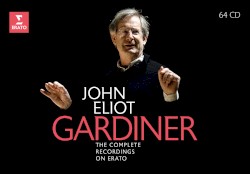 T7 April 2023